The future of cars is changing rapidly. Modern vehicles are no longer just machines with an engine, steering wheel and wheels. They are becoming intelligent systems that can understand their surroundings, process information and assist drivers using Artificial Intelligence (AI).
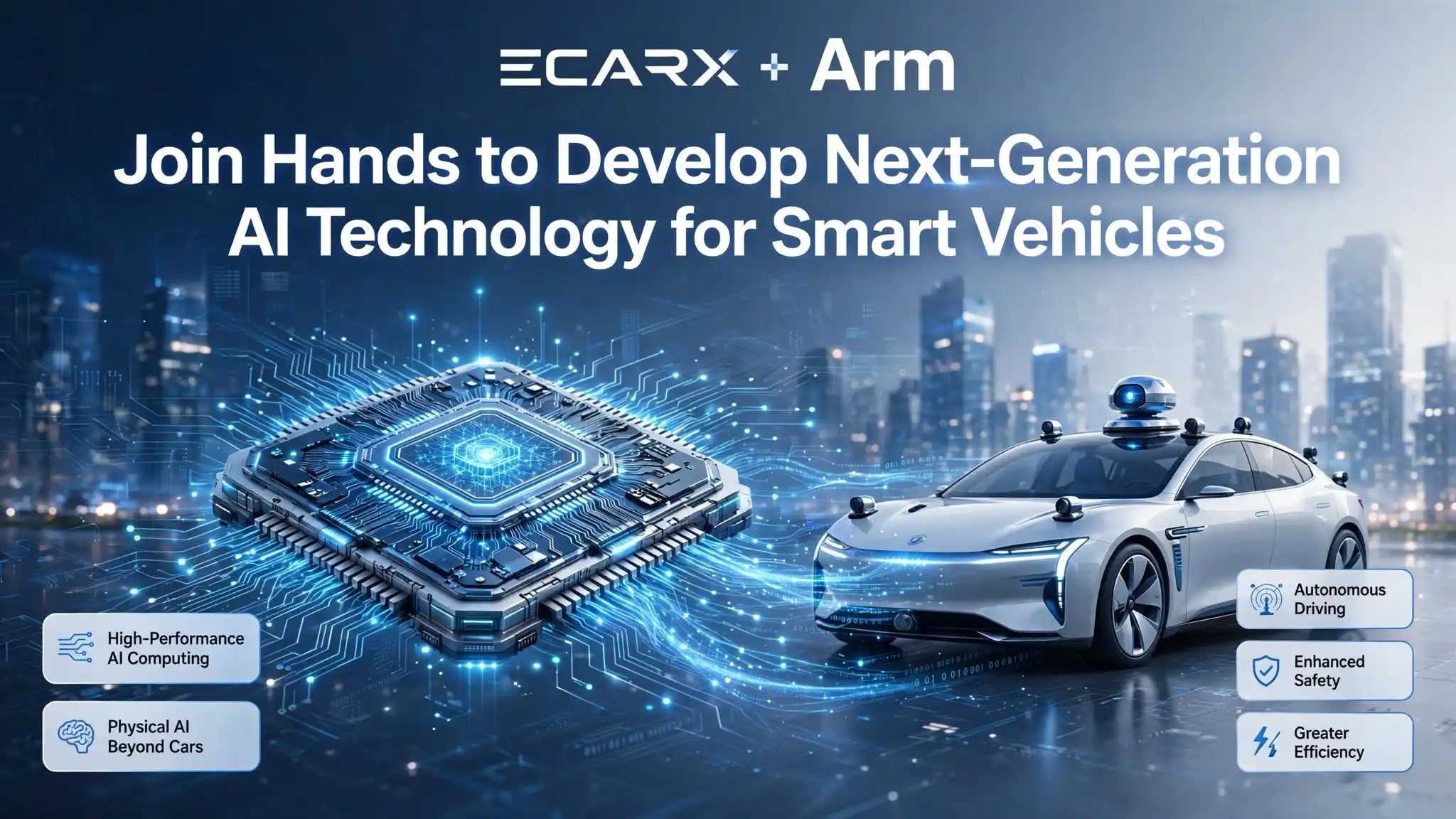
To make this technology more advanced, automotive technology company ECARX and semiconductor technology company Arm have joined hands to explore the development of next-generation AI computing platforms.
On November 2, 2026, both companies signed a Memorandum of Understanding (MoU) to explore advanced computing technologies for intelligent vehicles, autonomous systems and other industries.
The main objective is to combine Arm’s processor technology with ECARX’s automotive hardware and software expertise. This could help develop more powerful and efficient computing systems for future vehicles.
Let’s understand what this partnership means, what technologies both companies are exploring and how it could change the future of the automotive industry.
Key Highlights
| Particulars | Details |
| Companies | ECARX and Arm |
| Partnership Date | November 2, 2026 |
| Agreement | Memorandum of Understanding (MoU) |
| Main Focus | AI Computing Technology |
| Technology | Physical AI and Automotive Computing |
| Applications | Smart Cars and Autonomous Systems |
| Main Activities | Research, Engineering and Software Development |
What Is the ECARX and Arm Partnership?
The main purpose of this partnership is to explore advanced computing technology that can help future vehicles perform more intelligent tasks.
Today’s cars use several electronic systems for navigation, entertainment, safety and driver assistance. As vehicles become more advanced, these systems need greater computing power.
For example, imagine an electric car driving through a busy city.
Its cameras and sensors continuously collect information about nearby vehicles, pedestrians, traffic signals and road conditions. The vehicle’s computer must process this information and help its systems respond appropriately.
This requires powerful computing hardware and advanced software.
ECARX and Arm want to explore new computing platforms that can handle these demanding tasks more efficiently.
Both companies will work on research, hardware architecture, software development, engineering and cybersecurity-related activities.
However, this is currently an exploratory agreement. Both companies have not announced a finished product or confirmed a commercial launch date.
What Technologies Will Both Companies Work On?
A. High-Performance AI Computing
Modern vehicles need computers that can perform multiple tasks simultaneously.
For example, a smart car may need to operate its navigation system, voice assistant, driver monitoring system and safety features at the same time.
A high-performance AI computing platform can help process this information quickly and efficiently.
ECARX and Arm will explore computing solutions designed to support these advanced applications.
B. Advanced Vehicle Computing Architecture
In traditional vehicles, different functions often use separate electronic control units (ECUs).
For example, one system may control air conditioning, another may manage braking and another may operate infotainment.
Modern vehicles are moving towards more centralized computing systems that can manage multiple functions together.
ECARX and Arm will explore advanced system architectures that can make vehicle computing more integrated and efficient.
C. Software Development
Hardware alone cannot make a vehicle intelligent. It also needs software that controls how different components work together.
For example, when a car’s camera detects an obstacle, software helps process that information and communicate with the relevant vehicle systems.
Both companies will explore software development and integration to support future AI computing platforms.
D. Vehicle Safety and Cybersecurity
Safety is extremely important in intelligent vehicles.
Imagine a situation where a vehicle’s driver-assistance system suddenly stops working because of a software problem. Such failures can create serious risks.
This is why automotive computing systems need proper safety testing and cybersecurity protection.
The ECARX–Arm partnership will also explore functional safety and cybersecurity validation to help make future computing platforms more reliable and secure.
What Is Physical AI? How Will It Help Future Vehicles?
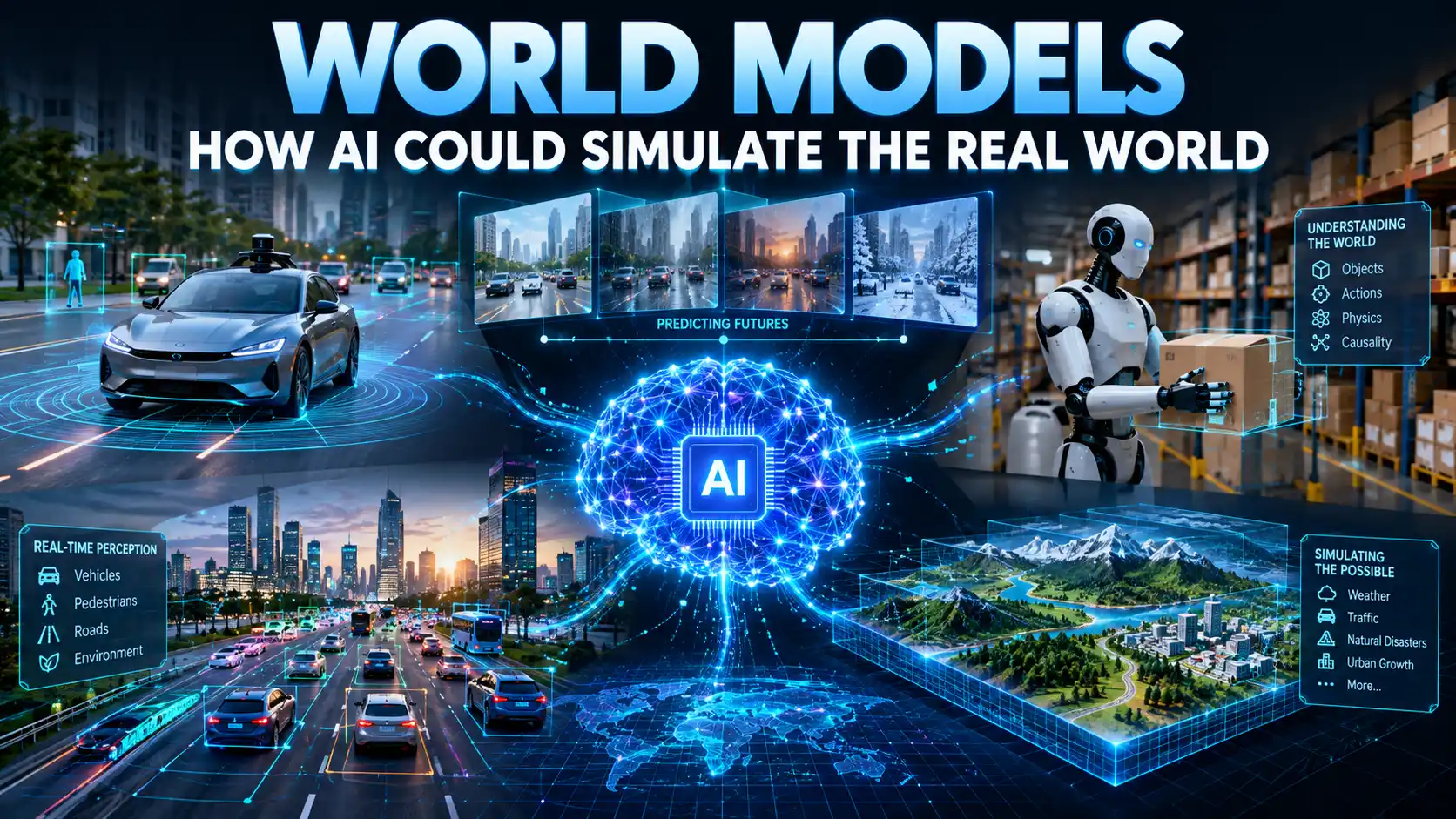
One important technology mentioned in this partnership is Physical AI.
In simple language, Physical AI means using Artificial Intelligence in real-world machines that can observe their surroundings and perform actions.
Traditional AI mainly works with digital information such as text, images and data. Physical AI takes AI into the real world through vehicles, robots and industrial machines.
Let’s understand with some examples.
Autonomous Cars
An AI-powered car can use cameras and sensors to identify pedestrians, traffic signals and other vehicles. It can process this information to support autonomous driving functions.
Industrial Robots
Robots can use AI to identify objects, understand their positions and perform different manufacturing tasks.
Delivery Robots
Autonomous delivery machines can understand their surroundings and navigate roads or footpaths to transport packages.
The ECARX and Arm collaboration will initially focus on mobility applications while exploring opportunities in other Physical AI industries.
This could make their future technology useful beyond passenger vehicles.
ECARX and Arm Have Worked Together Before
This partnership is not the first time these companies have worked together.
ECARX and Arm have previous collaboration experience through SiEngine, an automotive semiconductor company.
Their earlier work focused on developing advanced automotive chips known as System-on-Chip (SoC).
A System-on-Chip combines different computing components into a single chip. It can help process information and operate multiple functions inside a vehicle.
SE1000 – 7nm Automotive Chip
Its mass production started in March 2023.
It is designed for automotive computing applications.
ECARX has reported millions of units produced and deployed.
SE2000 – Next-Generation 5nm Chip
It is the next-generation automotive semiconductor platform under development.
It uses a more advanced 5nm manufacturing process.
It aims to support future automotive computing requirements.
What does 7nm or 5nm mean?
These numbers refer to semiconductor manufacturing process technologies. Generally, more advanced manufacturing processes can allow chip designers to improve transistor density, performance and power efficiency.
However, the actual performance depends on the complete chip design.
This previous experience provides a foundation for the companies to explore more advanced AI computing technologies.
About ECARX – The Automotive Technology Company
ECARX is an automotive technology company founded in 2017.
The company develops hardware and software used in modern vehicles. Its technology helps automobile manufacturers introduce intelligent features such as digital cockpits, driver assistance and connected vehicle systems.
Its major technology areas include:
- Automotive semiconductor chips
- Intelligent cockpit systems
- Advanced Driver Assistance Systems (ADAS)
- High-performance computing
- Vehicle software
- Cloud connectivity
- AI-based automotive technologies
Company Details
| Particulars | Details |
| Founded | 2017 |
| Headquarters | London, UK |
| Stock Exchange | Nasdaq |
| Ticker | ECX |
| Listed | 2022 |
| Industry | Automotive Technology |
According to ECARX, its technologies have been deployed in more than 12 million vehicles worldwide.
About Arm – The Company Behind Processor Technology
Arm is a British technology company known for developing processor architectures and semiconductor intellectual property.
In simple terms, Arm designs the technology and architecture that other companies use to develop their own processors and chips.
Its technology is widely used in smartphones, computers, automotive systems, cloud infrastructure and other electronic devices.
For example, many smartphone processors use Arm-based CPU architecture.
Arm’s major technology areas include:
- CPU architecture
- Automotive computing
- Artificial Intelligence
- Cloud computing
- Semiconductor technology
- Physical AI
Its expertise in processor architecture can help ECARX explore advanced computing solutions for future vehicles.
How Can This Partnership Change the Future of Cars?
1. Smarter Vehicles
Future cars may become better at understanding road conditions, recognizing objects and assisting drivers through AI-powered systems.
2. Better Autonomous Driving Technology
Autonomous vehicles need to process information from cameras and sensors continuously. Advanced computing platforms could help manage these complex tasks.
3. More Efficient Electric Vehicles
Electric vehicles need efficient electronic systems. Computing platforms designed to deliver better performance with lower power consumption could help reduce the energy used by vehicle electronics.
4. Advanced Digital Cockpits
Future vehicles may offer more intelligent voice assistants, personalized settings, connected entertainment and AI-powered navigation.
5. Software-Defined Vehicles
Software-defined vehicles rely heavily on software to control and improve vehicle functions. Advanced computing platforms could make it easier for manufacturers to introduce new features and software updates.
These are potential benefits of the technology being explored, not confirmed results of the partnership.
What Does This Partnership Mean for Both Companies?
For ECARX, working with Arm could help strengthen its position in automotive computing and semiconductor technology. It also provides an opportunity to explore new AI-based applications and global markets.
For Arm, the collaboration could expand the use of its processor architecture in automotive AI and Physical AI applications.
Both companies can combine their expertise to explore new computing platforms for the next generation of intelligent vehicles.
Future Opportunities and Challenges
The demand for intelligent vehicles, autonomous driving and AI computing is increasing worldwide. This creates opportunities for companies developing advanced automotive chips and software.
However, developing these technologies is not easy.
Both companies will need to address challenges such as:
- Developing powerful chips with efficient energy consumption.
- Meeting strict automotive safety requirements.
- Protecting connected vehicles from cyberattacks.
- Competing with established semiconductor companies.
- Converting research into commercially successful products.
The partnership is still at an early stage, and its future success will depend on the technology developed and its adoption by automobile manufacturers.
Conclusion
The ECARX and Arm partnership is another step towards the future of AI-powered and software-defined vehicles.
By combining Arm’s processor architecture expertise with ECARX’s automotive hardware and software capabilities, both companies aim to explore more advanced computing platforms.
These technologies could support intelligent cockpits, autonomous driving systems, electric vehicles and other Physical AI applications.
Although the partnership has not yet announced a commercial product or launch date, it highlights the growing importance of AI computing in the global automotive industry.
As vehicles become more intelligent, companies developing advanced processors, software and computing platforms could play an increasingly important role in shaping the future of transportation.
Sources
- ECARX – Official Partnership Announcement
- SEC – ECARX Filing
Disclaimer: This article is for informational and educational purposes only and should not be considered investment advice.