India’s deep-tech industry is entering an important phase as startups move beyond research and development towards large-scale manufacturing and commercialisation. Companies working in semiconductor technology, aerospace, defence, quantum computing and advanced materials are increasingly looking for substantial funding to turn their innovations into commercially successful businesses.
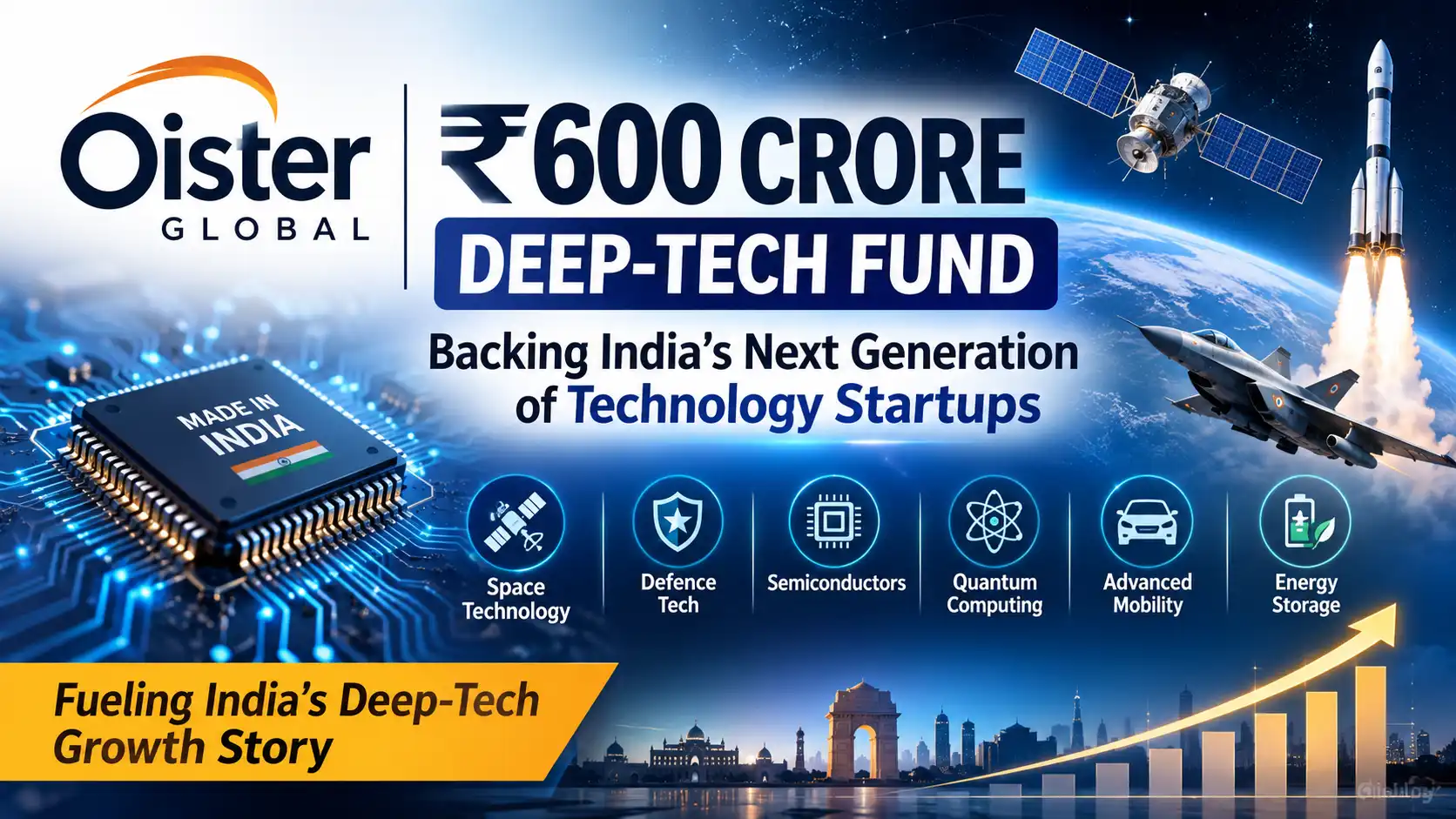
In a significant development for India’s startup ecosystem, Oister Global has launched the Oister Deep Tech Fund, with a potential corpus of ₹600 crore, aimed at supporting growth-stage deep-tech companies.
The fund plans to raise ₹400 crore, with an additional ₹200 crore greenshoe option. It will invest in approximately eight to ten established deep-tech companies that have already developed working technologies and generated business revenue but require additional capital to expand production, fulfil orders and reach larger markets.
Unlike traditional venture capital funds that often invest in early-stage ideas, Oister Global intends to focus on companies that have moved beyond the initial technology development stage and are ready for commercial expansion.
Oister Global: An Introduction to the Investment Firm
Oister Global is an India-focused private markets investment and asset management firm founded in 2023 by Rohit Bhayana and Sandeep Sinha.
The company operates across different segments of private markets, including private equity, venture capital, secondary investments and direct investments.
Its investment network includes companies such as Shiprocket, Agnikul, Purplle, Servify, Kuku FM and BlackBuck, among others, through different investment routes.
With the launch of the Oister Deep Tech Fund, the company is expanding its direct investment strategy into India’s frontier technology ecosystem.
The fund is designed to support businesses that have already demonstrated their technological capabilities and need larger investments to scale their operations.
Oister Deep Tech Fund: Key Highlights
| Particulars | Details |
| Fund Name | Oister Deep Tech Fund |
| Investment Firm | Oister Global |
| Base Fund Target | ₹400 crore |
| Greenshoe Option | ₹200 crore |
| Potential Fund Size | ₹600 crore |
| Fund Structure | SEBI Category II AIF |
| Target Portfolio | 8–10 companies |
| Investment per Company | Approximately ₹70–100 crore |
| Investment Stage | Growth Stage |
| Fund Tenure | 6 years |
| Extension | Up to 2 additional years |
| Investment Strategy | Primary and Secondary Investments |
The ₹600 crore amount represents the potential maximum fund size rather than the initial fundraising target. The base target is ₹400 crore, with an additional ₹200 crore greenshoe option.
Which Industries Will Receive Investment?
Oister Global plans to invest in several strategically important technology sectors. These industries are expected to play an important role in India’s industrial development, technological capabilities and international competitiveness.
Space Technology and Aerospace
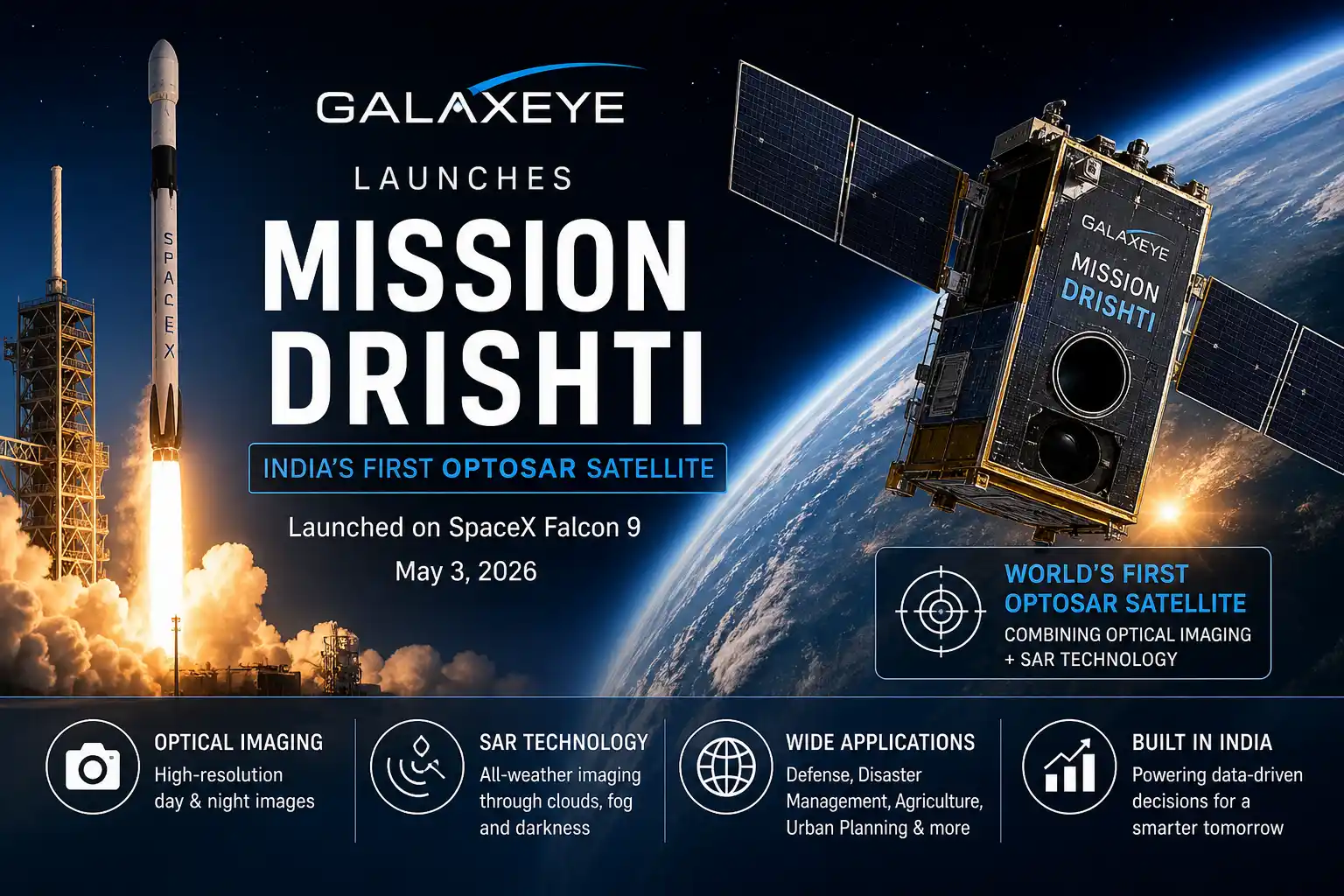
India’s space industry has expanded beyond traditional government-led programmes, with private companies increasingly participating in satellite development, launch vehicles, propulsion systems and space infrastructure.
Startups working on satellite components, rocket engines, launch systems and advanced aerospace technologies require substantial capital to increase manufacturing capacity and fulfil commercial orders.
The fund may support companies that have already demonstrated their technology and are preparing to expand their commercial operations.
Defence Technology
Defence technology is another important investment area.
Companies developing advanced sensors, radar systems, defence electronics, unmanned systems and other military technologies require long-term investments to complete testing, certification and manufacturing.
As India continues to strengthen its domestic defence manufacturing capabilities, technology companies operating in this segment may benefit from increasing opportunities.
Semiconductors and Electronics
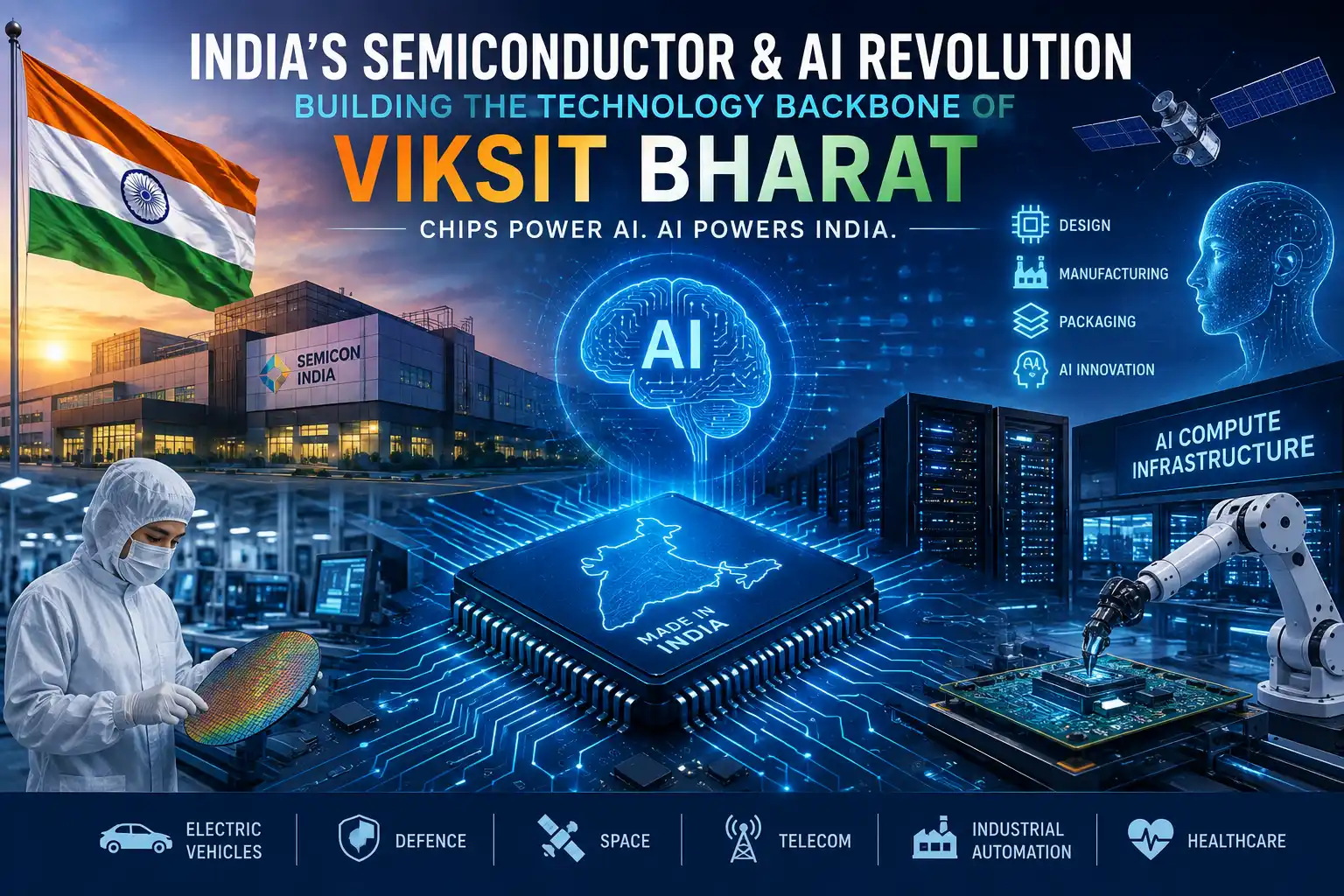
Semiconductors are essential components of modern electronic systems.
They are used in smartphones, electric vehicles, industrial automation, artificial intelligence infrastructure, aerospace systems and defence equipment.
India is working to strengthen its semiconductor manufacturing and electronics ecosystem. Startups developing semiconductor-related technologies, specialised electronics and advanced components may need significant capital to expand their production capabilities.
Quantum Technologies
Quantum computing, quantum communication and quantum sensing represent emerging areas of advanced technology.
These technologies have potential applications in scientific research, advanced computing, cybersecurity and highly sensitive measurement systems.
Although commercial adoption is still developing, companies working in these areas could become important participants in the next generation of computing and communication infrastructure.
Advanced Mobility
Advanced mobility covers emerging transportation technologies, including electric mobility, autonomous systems and advanced vehicle components.
Companies developing next-generation mobility platforms, vehicle technologies and specialised components require capital to move from product development to large-scale commercial operations.
Advanced Materials and Energy Storage
Advanced materials are used across several industries, including aerospace, defence, electronics, batteries and industrial manufacturing.
Energy storage is another important area because of the growing requirements of electric vehicles, renewable energy systems and electricity grid infrastructure.
Companies developing improved battery technologies, specialised materials and energy storage solutions may benefit from investments that support commercial production and market expansion.
Why Is Oister Targeting Growth-Stage Deep-Tech Companies?
One of the biggest challenges faced by deep-tech startups is the funding gap between technology development and commercial expansion.
For example, imagine an Indian startup developing a new semiconductor technology.
Initially, the company receives funding to hire engineers, conduct research, develop prototypes and test its technology.
However, once the technology is successfully developed, a much larger investment may be required to establish manufacturing facilities, purchase specialised equipment, hire additional employees and fulfil customer orders.
This stage can require several hundred crores of rupees, depending on the technology and manufacturing requirements.
Early-stage investors may have already supported the company, while larger institutional investors may prefer businesses with established revenue and commercial customers.
As a result, promising companies can struggle to secure the capital needed to expand.
Oister Global aims to address this gap by investing in companies that have already moved beyond the early research stage.
The firm is looking for businesses with proven technologies, proprietary intellectual property, paying customers and established revenue streams.
The companies being considered are expected to have approximately eight to ten years of operating history, reflecting the fund’s preference for relatively mature businesses.
Investment Criteria: What Will Oister Look For?
The fund will evaluate companies based on their technological strength as well as their commercial potential.
Important investment considerations include:
Proven Technology: Companies should have functioning technologies rather than only research concepts or early-stage prototypes.
Intellectual Property: Proprietary technology and defensible intellectual property, including patents in India and international markets, will be important.
Existing Revenue: The fund will prefer businesses that already generate revenue through commercial products or services.
Paying Customers: Companies should demonstrate actual market adoption, including domestic and international customer relationships.
Multiple Revenue Streams: A diversified revenue base may strengthen a company’s long-term business prospects.
Management Quality: Experienced leadership and the ability to execute large-scale business expansion will be important considerations.
Exit Opportunities: The fund will also assess potential liquidity opportunities for investors over its investment period.
The broader objective is to identify companies that have successfully developed technology and are now ready to build larger commercial businesses.
Primary and Secondary Investments: A Combination of Two Strategies
One important feature of the Oister Deep Tech Fund is its plan to participate in both primary and secondary investment transactions.
Primary Investment
In a primary investment, the fund directly invests new capital into a company.
For example, a deep-tech startup may raise ₹100 crore to expand its manufacturing facility, develop new products or fulfil large customer orders.
When Oister participates in that funding round, the money goes directly to the company.
This can help businesses increase production capacity and expand into new markets.
Secondary Investment
In a secondary transaction, an existing shareholder sells some or all of their shares to a new investor.
For example, an angel investor or an early-stage venture capital fund may have invested in a deep-tech startup several years ago.
After the company grows, the early investor may decide to sell its shares and realise the investment.
Oister can purchase those existing shares, providing liquidity to the earlier investor while gaining ownership in an established technology company.
This approach is particularly relevant because some early investors in India’s deep-tech ecosystem are approaching the end of their investment cycles.
By combining primary and secondary investments, Oister aims to support business expansion while also creating exit opportunities for earlier shareholders.
How Much Will the Fund Invest in Each Company?
Oister Global plans to build a concentrated portfolio of approximately eight to ten companies.
The expected investment amount is around ₹70 crore to ₹100 crore per company.
This is a relatively substantial investment size for Indian deep-tech startups and reflects the fund’s focus on established businesses rather than very early-stage ventures.
The capital may be used for:
- Expanding manufacturing and production capacity.
- Developing commercial infrastructure.
- Executing large customer orders.
- Entering new domestic and international markets.
- Strengthening technology and engineering capabilities.
The fund’s direct investment strategy also represents a shift from Oister’s earlier emphasis on investing through other venture capital funds.
According to co-founder and co-CEO Sandeep Sinha, the company sees the potential for higher returns through direct investments compared with its traditional fund-of-funds approach.
Fund Duration and Expected Investment Period
The Oister Deep Tech Fund has a six-year tenure, with an extension of up to two additional years subject to investor approval.
Its expected average holding period in individual companies is approximately four to five years.
This longer investment horizon is relevant because deep-tech businesses often require more time to expand than conventional software startups.
A semiconductor company, for instance, may need substantial time to scale production, secure customers and establish a reliable supply chain.
Similarly, aerospace and advanced materials companies may need lengthy testing, certification and commercialisation processes.
The fund’s structure therefore provides a relatively longer investment window for companies to demonstrate their commercial growth.
India’s Deep-Tech Ecosystem: Why Is This Investment Important?
India has been developing a stronger deep-tech ecosystem, supported by research institutions, engineering talent, government initiatives and growing private investment.
However, access to growth capital remains an important challenge.
According to the IVCA Bharat DeepTech Report 2026, Indian deep-tech companies raised approximately $2.96 billion across 189 deals in 2025.
Despite the growing investment activity, many companies still face difficulties securing the larger funding required to commercialise their technologies.
This is where growth-focused investment funds can play an important role.
Deep-tech companies often need more than conventional venture capital. They require specialised funding for manufacturing facilities, research infrastructure, industrial partnerships and large-scale customer deliveries.
Oister Global’s strategy is aimed at addressing this particular requirement.
What Challenges Could the Fund Face?
Despite the opportunities, deep-tech investing carries considerable risks.
Technology Commercialisation: A successful technology demonstration does not automatically guarantee commercial demand.
High Manufacturing Costs: Building production facilities and purchasing specialised equipment can require substantial capital.
Customer Adoption: Industries such as aerospace, defence and semiconductors often have lengthy procurement and approval processes.
Competition: Indian companies must compete with established international technology manufacturers.
Exit Opportunities: The fund will need successful exits through acquisitions, public listings or secondary transactions to generate returns for investors.
Its concentrated portfolio of eight to ten companies also means that the performance of individual investments could significantly affect the overall fund performance.
What Happens Next?
Oister Global has already identified an initial shortlist of potential companies across its target sectors.
The company will evaluate investment opportunities as the fund deploys its capital.
Its longer-term ambition is to develop the deep-tech investment strategy into a series of funds rather than treat the current fund as a one-time initiative.
If the strategy succeeds, it could create a continuing source of growth capital for Indian technology companies that are transitioning from proven innovations to large-scale commercial operations.
Conclusion
Oister Global’s potential ₹600 crore Deep-Tech Fund represents an important development for India’s growing technology investment ecosystem.
Its focus on growth-stage companies is particularly significant because many Indian deep-tech businesses have already spent years developing their technologies but still require substantial capital to expand production and commercialise their products.
By investing in sectors such as space technology, defence, semiconductors, quantum technologies, advanced mobility and energy storage, Oister is targeting industries that could become important drivers of India’s future industrial capabilities.
The fund’s combination of primary and secondary investments also offers two potential benefits: providing fresh capital to growing technology businesses and creating liquidity opportunities for earlier investors.
Ultimately, the success of the fund will depend on its ability to identify commercially viable technologies, select strong management teams and support companies through the difficult transition from technology development to large-scale production.
For India’s deep-tech ecosystem, the next major opportunity may not simply be developing new technologies, but building globally competitive businesses around those innovations.
Sources: Business Standard | Mint | Fortune India