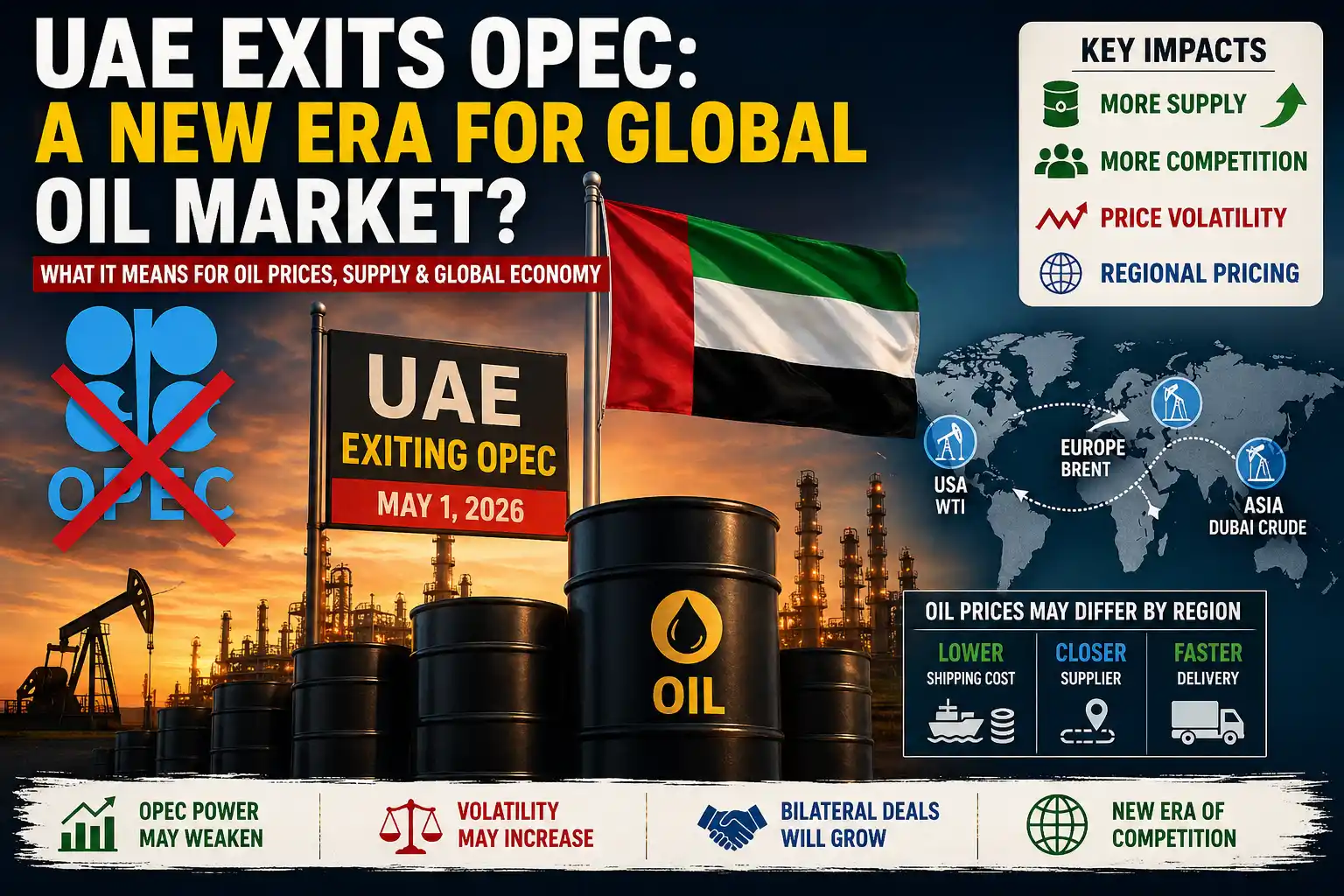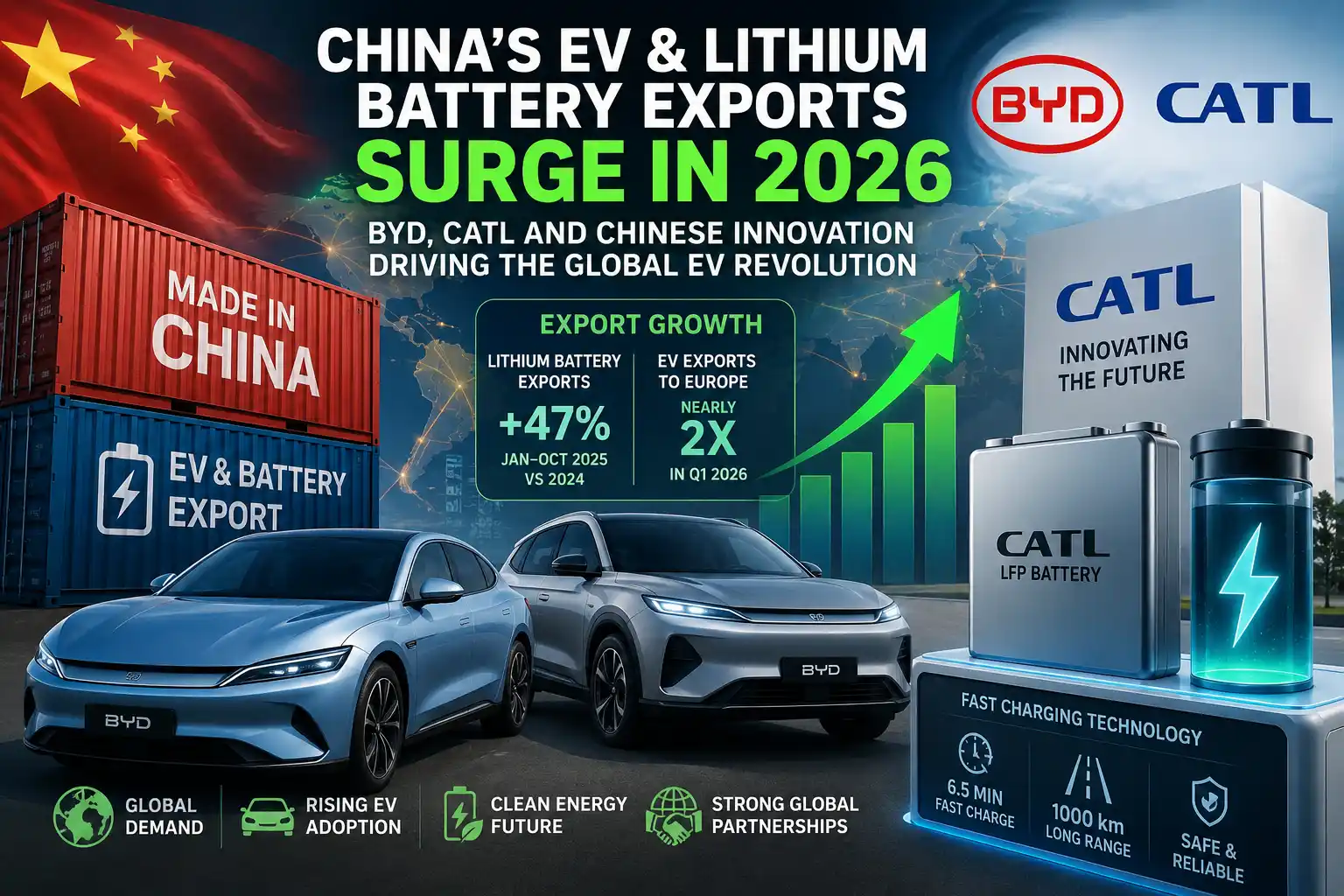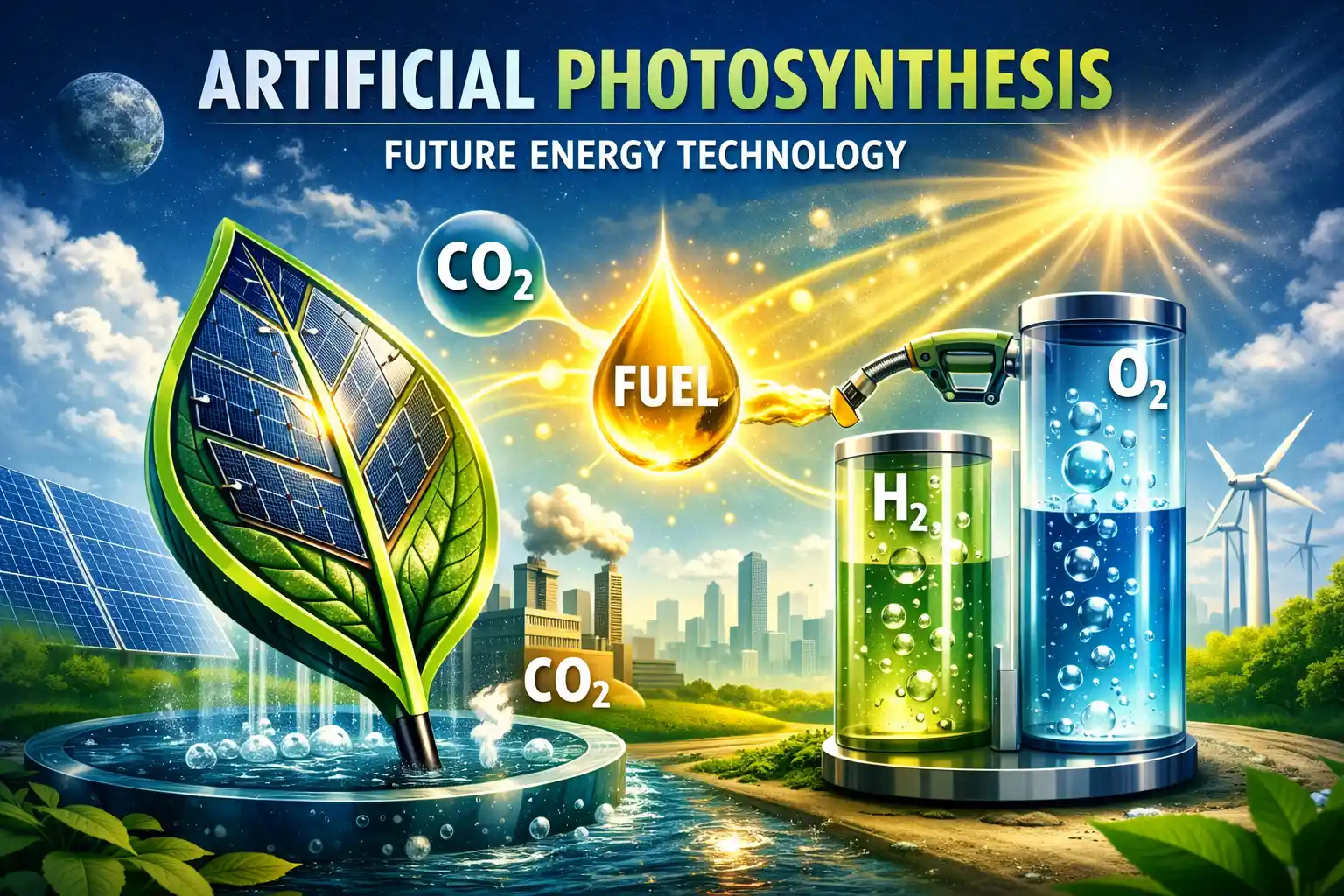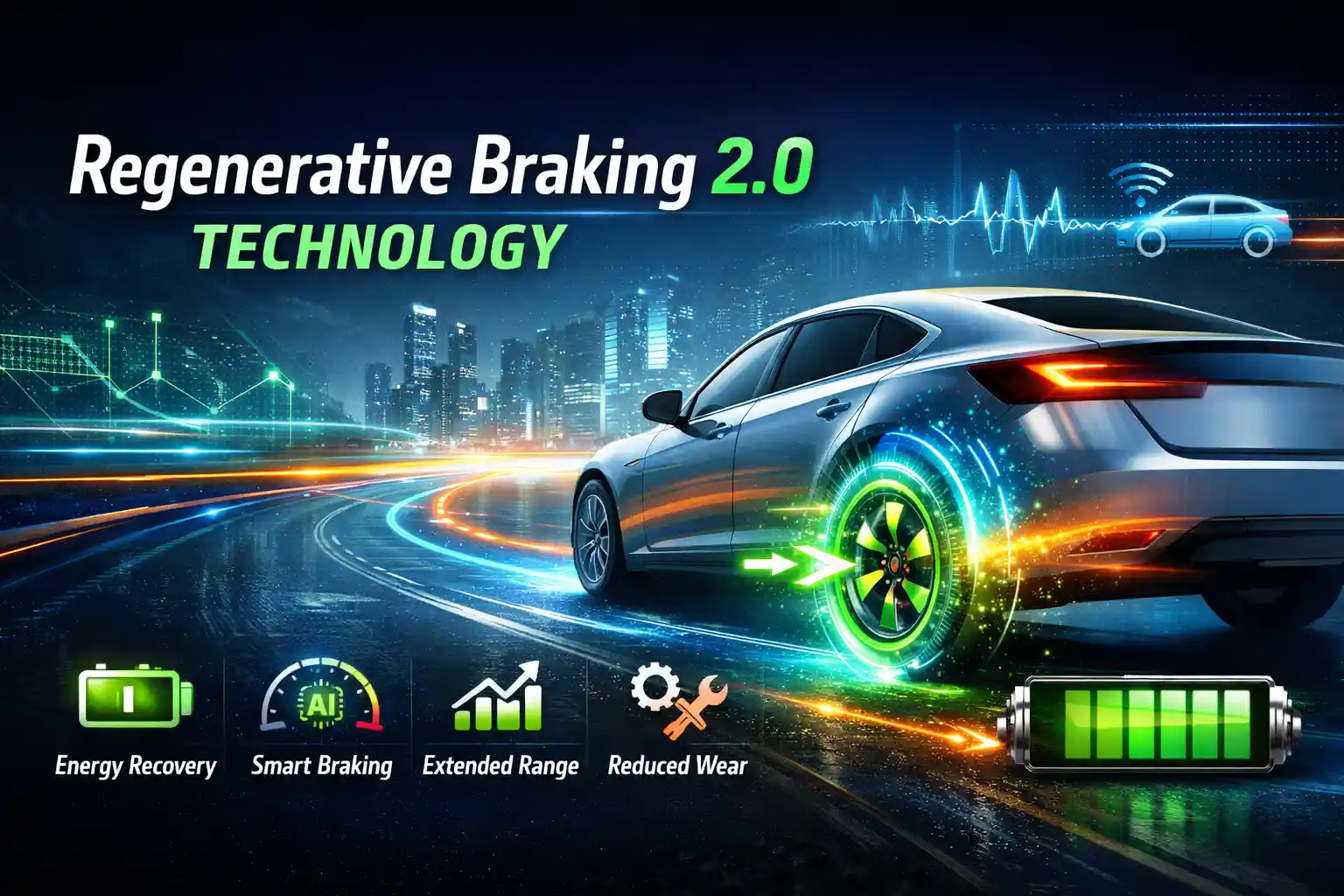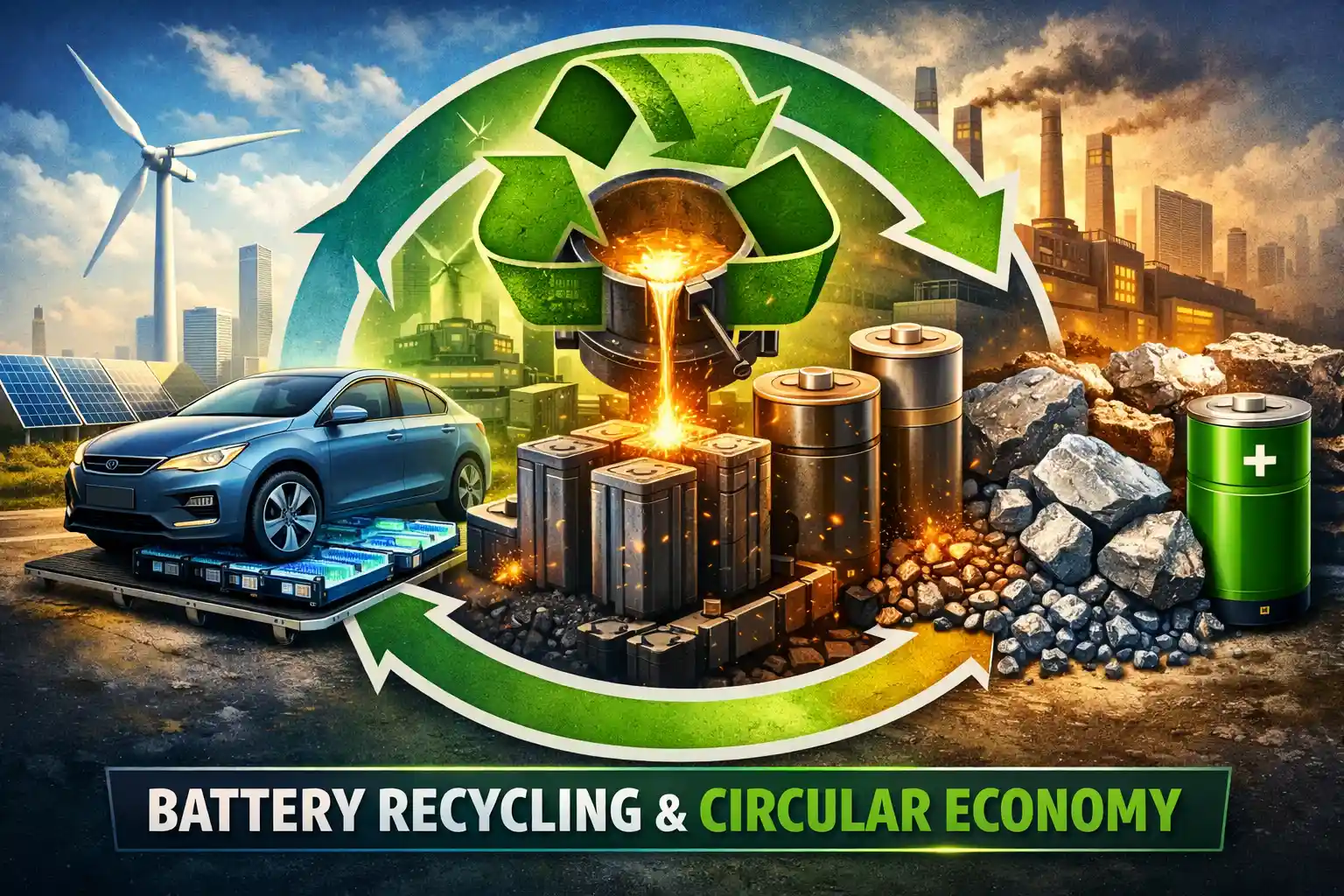
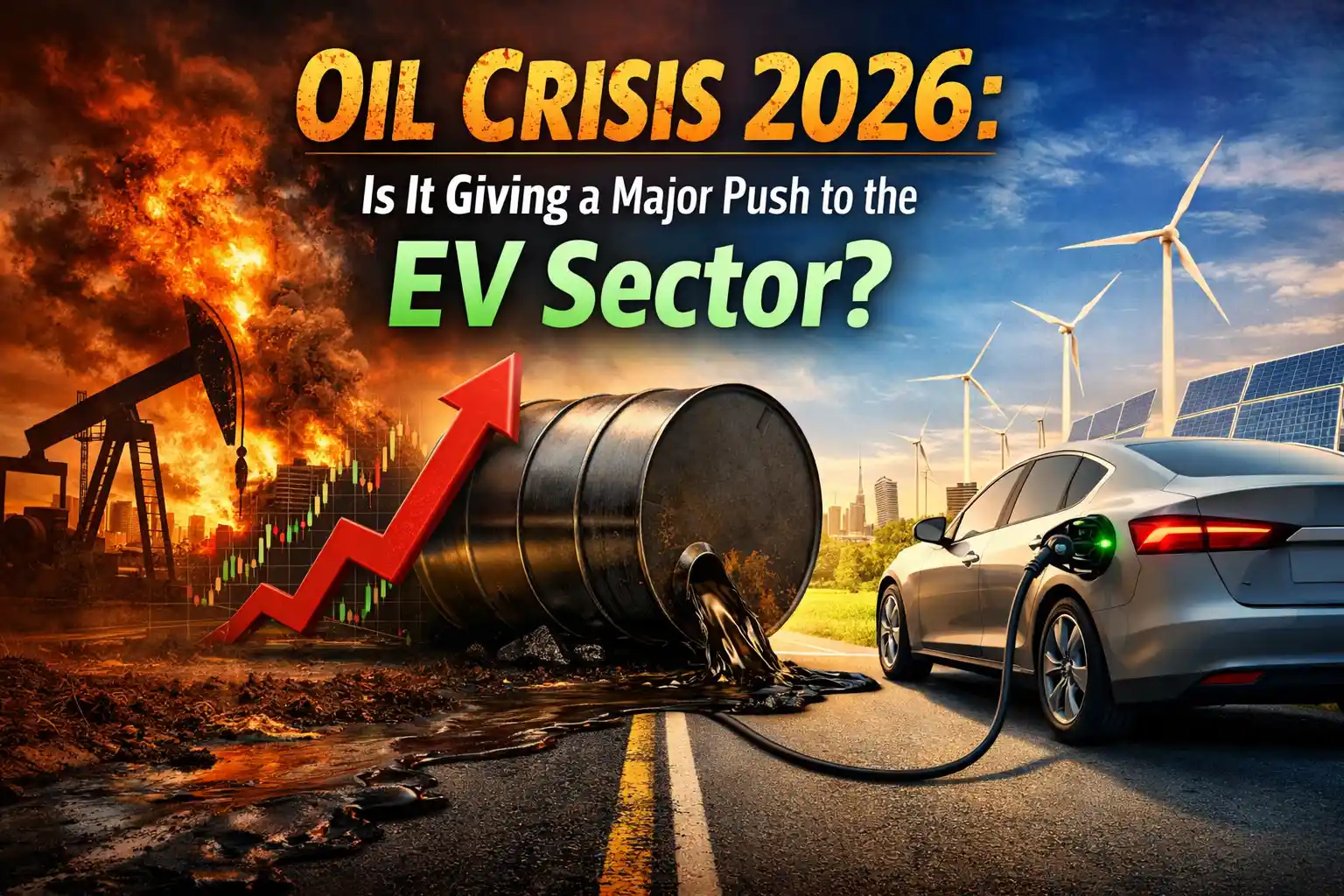
The year 2026 is shaping up to be a turning point for the global economy. Rising geopolitical tensions in the Middle East, disruptions in oil supply, and a sharp surge in crude oil prices have shaken the entire world. Increasing petrol and diesel prices are putting pressure not only on consumers but also on large corporations and governments.
In such a situation, one big question is emerging:
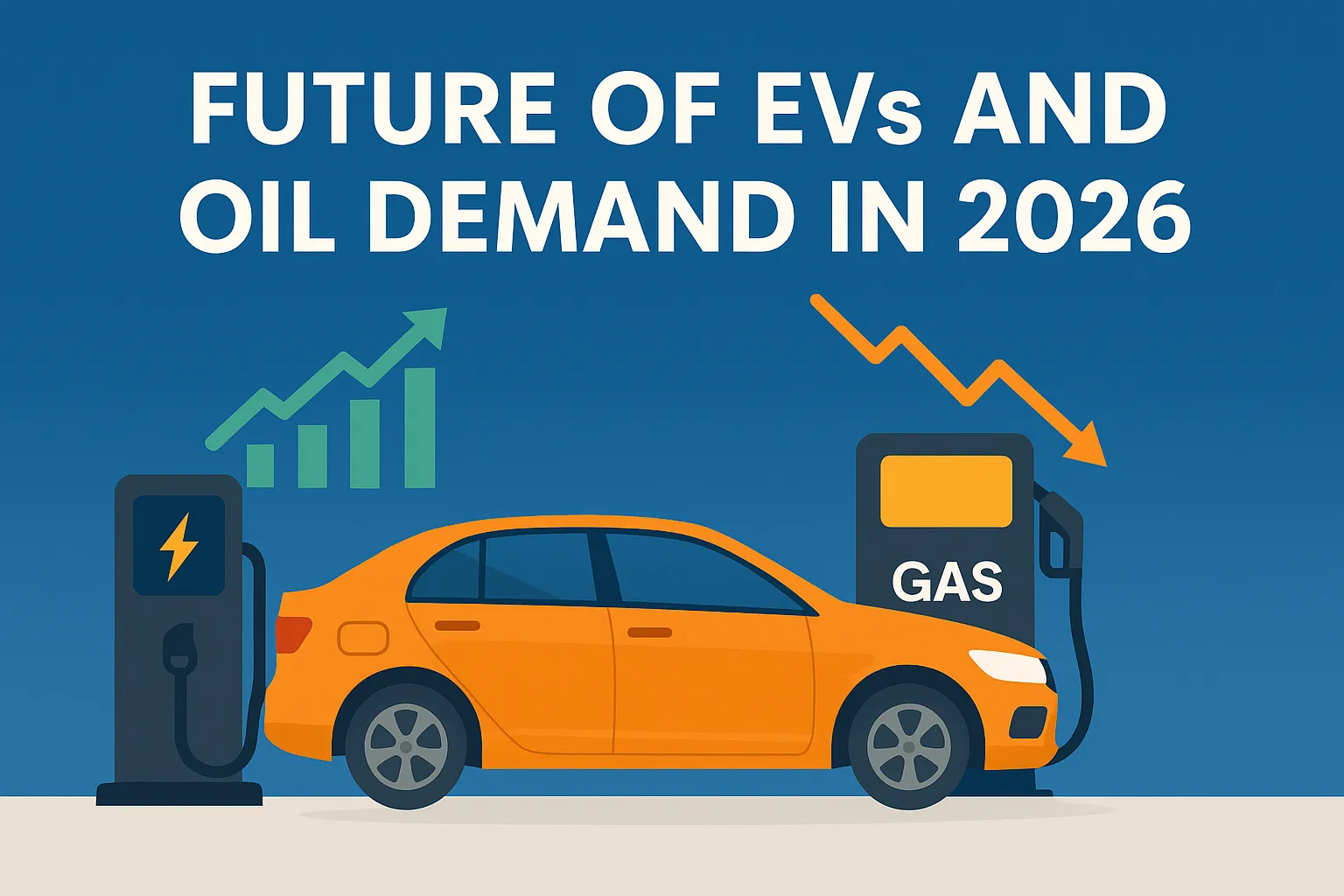
Is the world now moving from a fuel-based economy to an electric economy?
Electric Vehicles (EVs) have long been considered the future, but is the 2026 oil crisis accelerating that future into reality?
Let’s understand this in a simple yet in-depth way.
Oil Crisis 2026: How Serious Is the Situation?
In 2026, geopolitical tensions have directly impacted the global oil market. Key oil supply routes are under risk, affecting crude oil availability.
What has been the impact?
- Crude oil prices have surged
- Petrol and diesel have become expensive
- Transportation and logistics costs have increased
- Manufacturing costs have also risen
This means:
The oil crisis is not just an energy issue — it is affecting the entire economy.
Example:
- Airlines face higher fuel costs → ticket prices rise
- FMCG companies see higher packaging costs
- Expensive transport → higher product prices overall
Why Are EVs Gaining Attention as Oil Prices Rise?
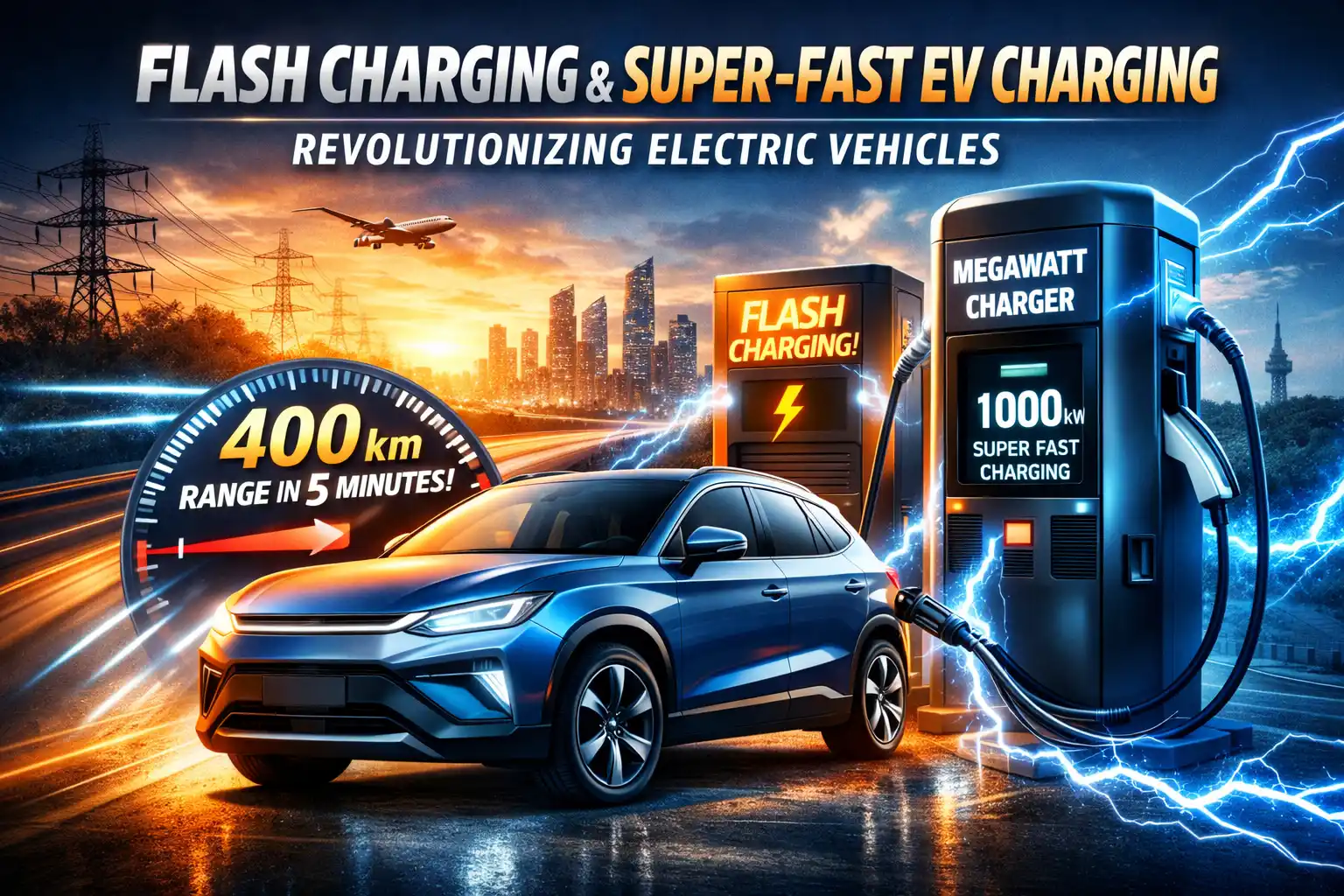
When traditional fuel becomes expensive, people look for alternatives — and EVs emerge as the strongest option.
1. Lower Running Cost
- Petrol car → ₹8–10 per km
- EV → ₹1–2 per km (approx)
EVs are significantly cheaper in the long run
2. Price Stability
The oil market is highly volatile
- Today ₹90 → tomorrow ₹110
Electricity, however, is relatively stable
EV users face fewer price shocks
3. Lower Maintenance
- EVs have fewer moving parts
- Maintenance and servicing costs are lower
Total Cost of Ownership (TCO) becomes lower
4. Government Support
- Subsidies
- Tax benefits
- Investment in charging infrastructure
Governments are actively promoting EV adoption
Is EV Demand Increasing After the Oil Crisis?
Yes, but it’s important to understand it correctly
What is increasing?
- EV search interest
- Public awareness
- Investment by companies
What is growing slowly?
- Actual EV sales
Meaning:
Interest is rising fast, but adoption is increasing gradually
Short-Term Reality: What Will Happen Now?
Many people think that an oil crisis will immediately push everyone toward EVs — but that’s not how it works.
Short-term effects:
- Gradual increase in EV demand
- Rise in demand for hybrid vehicles
Why won’t there be an immediate shift?
1. High Initial Cost: EVs are still expensive to buy
2. Limited Charging Infrastructure: Charging stations are not widely available
3. Range Anxiety: People are still hesitant for long-distance travel
4. Awareness Gap:Many people don’t fully understand EV benefits
Conclusion:
EV adoption will remain slow but steady in the short term
Long-Term Impact: Where the Real Change Happens
Now comes the most important part
The oil crisis is not just a temporary event — it is a signal that the global energy system is changing.
Energy Transition Cycle
- Oil prices rise
- People adopt alternatives (EVs)
- Oil demand gradually declines
- The EV ecosystem becomes stronger
This is known as the “Energy Transition”
Future Trends
- EV adoption will accelerate
- Battery technology will improve
- Charging infrastructure will expand
- Oil demand will peak and then decline
Meaning:
The 2026 oil crisis will accelerate EV adoption
Major Challenges for the EV Revolution
EVs have a strong future, but there are significant challenges:
1. Battery Cost & Raw Materials
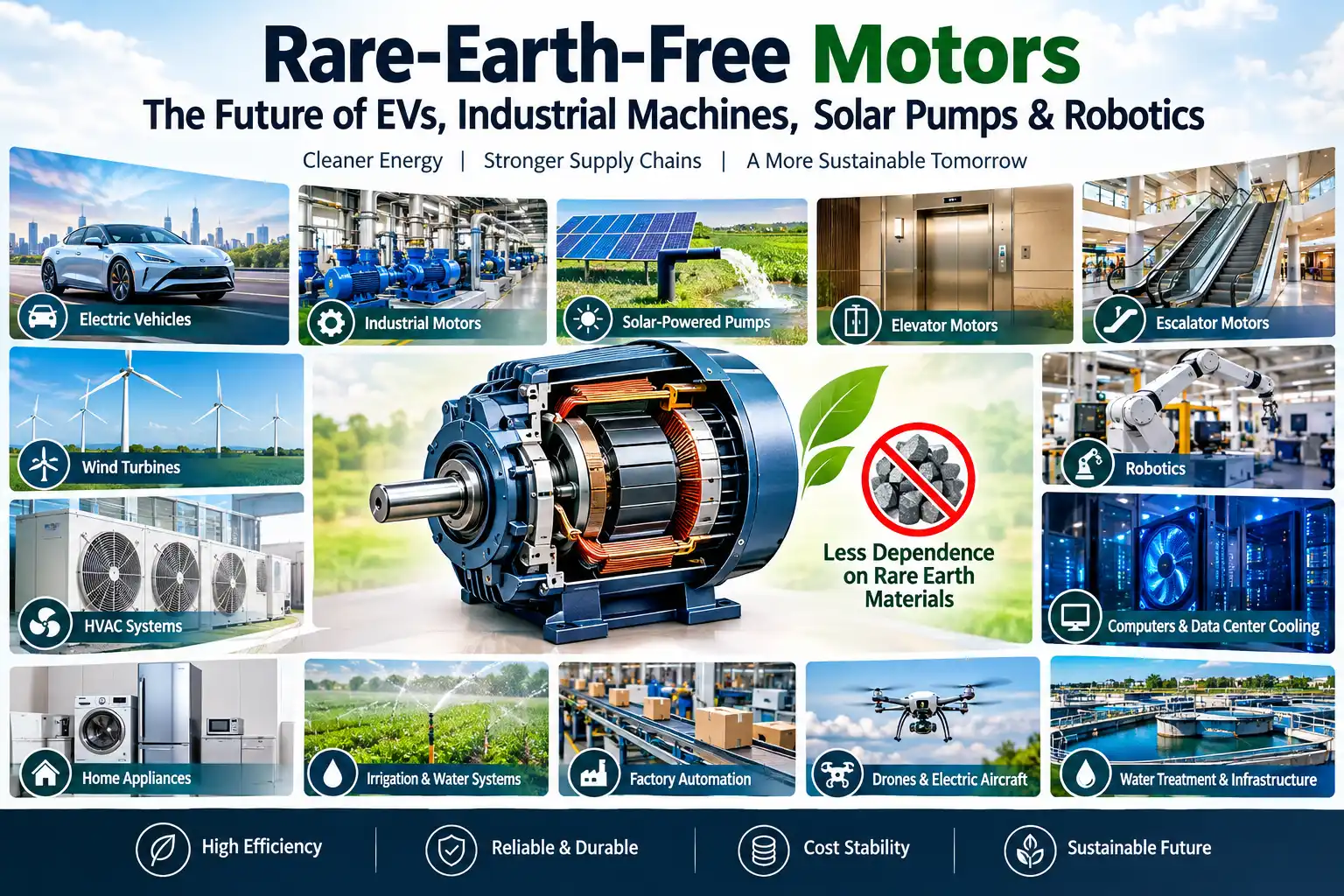
- Lithium, cobalt, and other materials are limited
- Supply is concentrated in a few countries
2. Infrastructure Gap
- Lack of charging stations in many regions
- Fast charging is still limited
3. Source of Electricity
- If electricity comes from coal, EVs are not fully clean
4. Policy Dependency
- Demand may drop if subsidies are removed
Therefore, the EV revolution will not be smooth — it will have ups and downs
Developed vs Developing Countries: A Clear Difference
Developed Countries
- Faster EV adoption
- Strong infrastructure
- Higher government support
Developing Countries (like India)
- Slower but steady adoption
- High price sensitivity
- Infrastructure still developing
So, EV adoption will vary across countries
Final Conclusion
The 2026 oil crisis is not just an economic shock — it is a wake-up call.
It shows that:
- Dependence on oil is risky
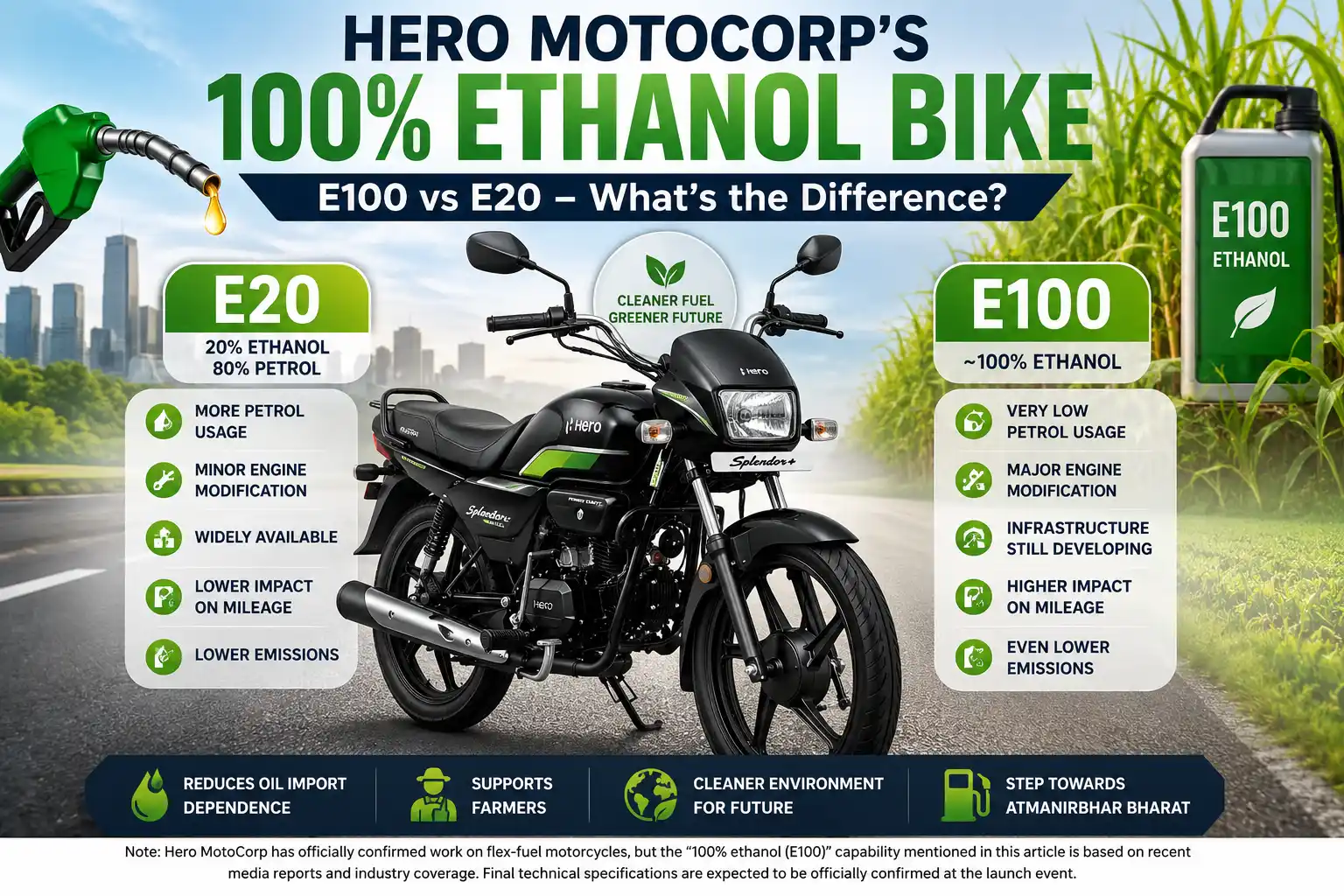
- Transition to alternative energy is necessary
EVs can be a major part of this transition
However, the reality is:
- This shift will not happen overnight
- It will be a gradual, long-term transition
Final Insight (Most Important Point)
The oil crisis is not starting the EV revolution — it is accelerating it
In the coming years:
- Oil’s dominance will decline
- EVs and clean energy will grow stronger
And this could become one of the biggest global economic stories of 2026