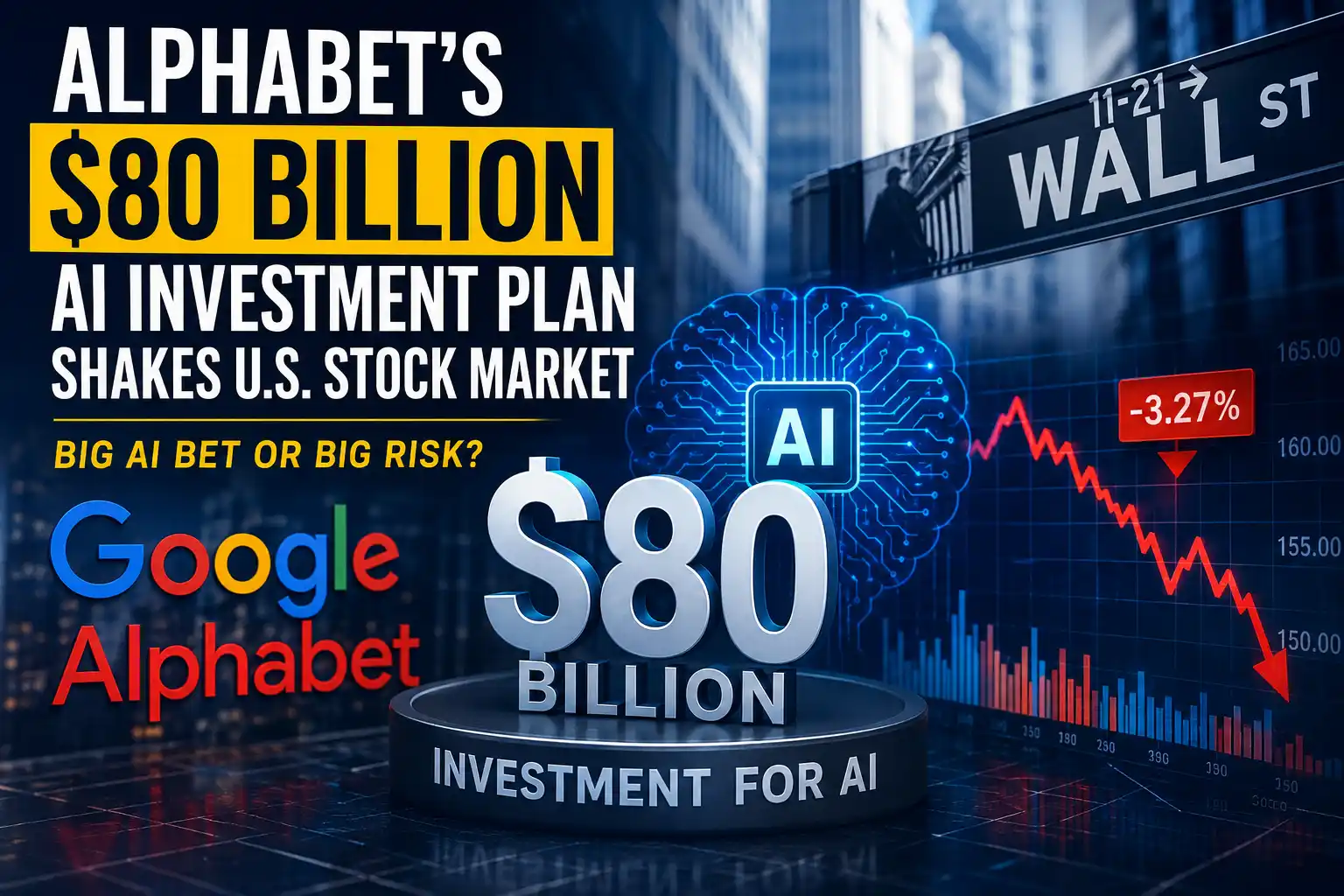
One of the biggest stories in the U.S. stock market on June 2, 2026, was related to Alphabet Inc., the parent company of Google. The company announced plans to raise approximately $80 billion to accelerate its artificial intelligence (AI) expansion. The announcement was significant enough to influence overall market sentiment and slow the momentum of Wall Street’s recent rally.
The move highlights how the global AI race is becoming increasingly expensive, with major technology companies investing billions of dollars to secure leadership in the next generation of computing.
What Did Alphabet Announce?
Alphabet revealed plans to raise around $80 billion through an equity offering. The company intends to use the funds to expand its AI infrastructure, including:
- AI-focused data centers
- Advanced computing capacity
- Development of AI models and services
- Expansion of Google Cloud’s AI capabilities
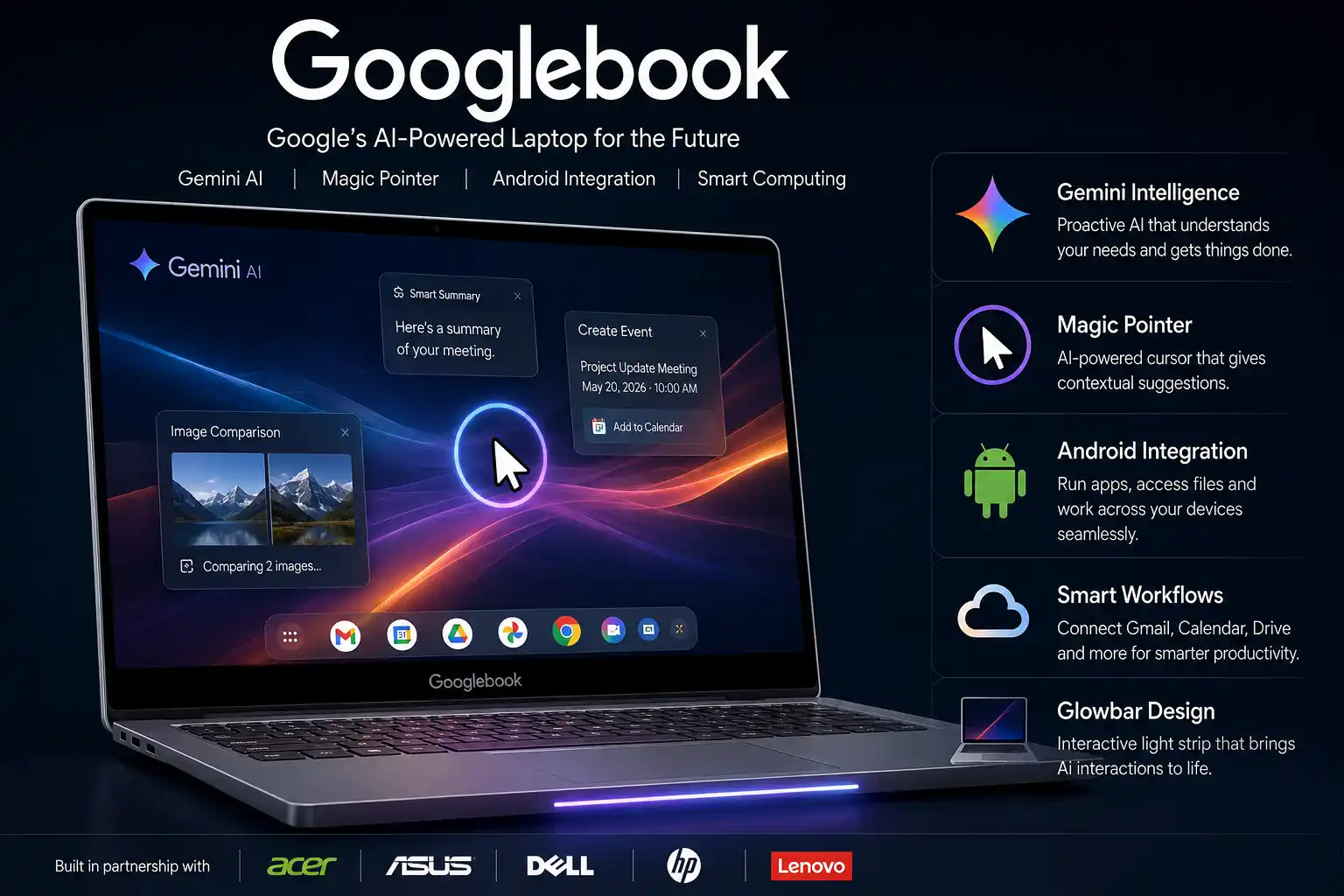
- Further growth of the Gemini AI platform
The company believes these investments are necessary to meet the rapidly growing demand for AI-powered products and services.
Why Did the Market React Negatively?
Although raising capital can support future growth, investors were concerned about the scale of the fundraising.
When a company issues new shares, the ownership percentage of existing shareholders is diluted. This means that each existing share represents a slightly smaller portion of the company.
Investors were worried that:
- AI investments are becoming more expensive than expected.
- Additional fundraising may be needed in the future.
- AI projects could take years to generate significant returns.
- Earnings per share (EPS) could face pressure due to share dilution.
As a result, Alphabet’s stock declined following the announcement, putting pressure on major U.S. stock indexes.
How Expensive Has the AI Race Become?
The AI industry requires enormous amounts of infrastructure and computing power.
To develop and operate advanced AI models, companies need:
- Massive data centers
- High-performance AI chips
- Large-scale server networks
- Significant electricity and cooling capacity
Alphabet’s planned spending reflects the growing cost of competing in the AI sector. Industry analysts believe AI infrastructure investments are reaching levels never seen before in the technology industry.
Doesn’t Alphabet Already Have Enough Cash?
Alphabet is one of the world’s most financially strong companies, with substantial cash reserves and strong cash flow generation.
However, the decision to raise additional capital suggests that management expects AI-related spending to remain extremely high for years to come. The move indicates that the company wants to secure sufficient funding now rather than rely solely on future cash generation.
For many investors, this was a signal that the AI investment cycle may be larger and longer than previously expected.
Is This Only an Alphabet Story?
Not at all.
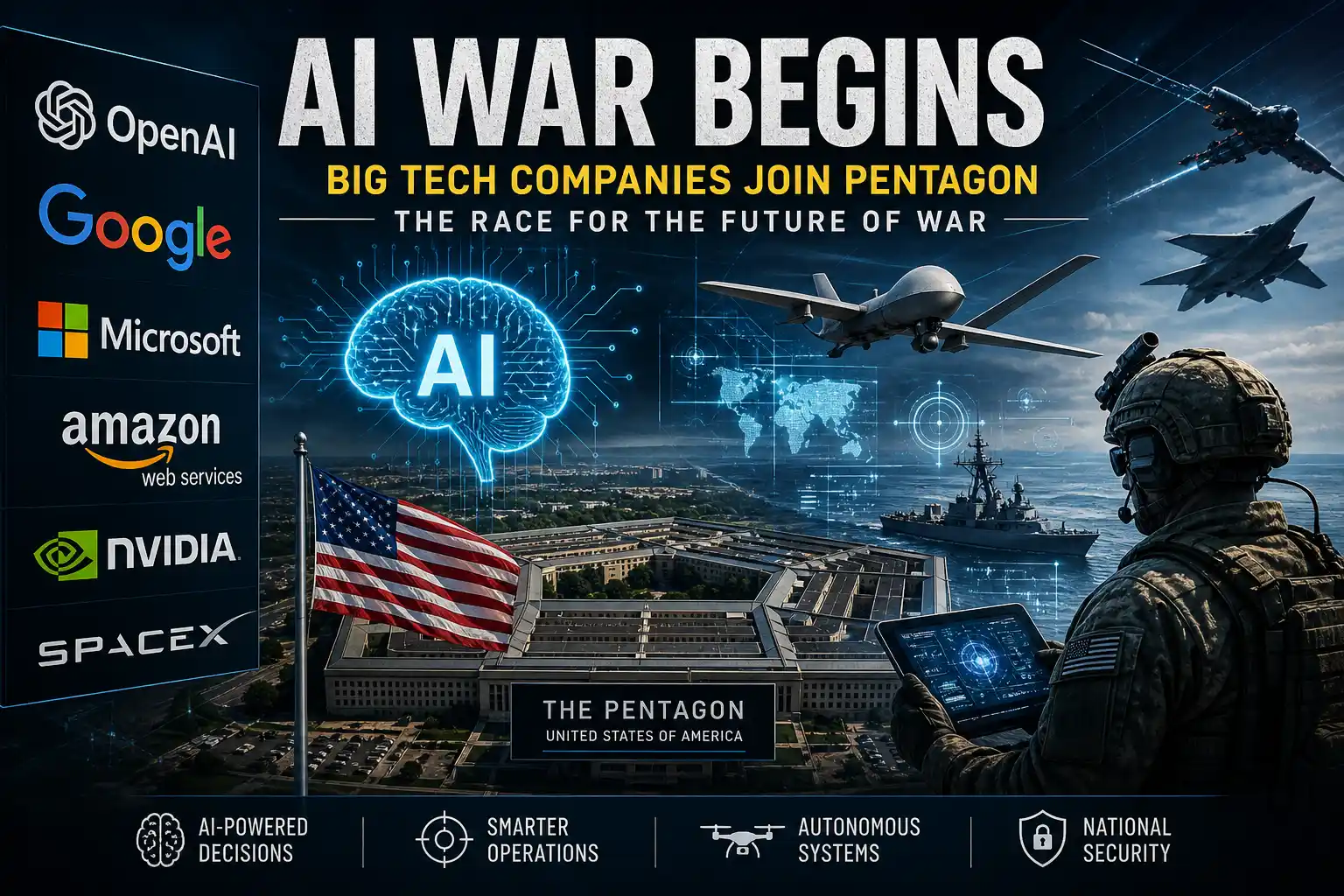
The announcement reflects a broader trend across the technology industry. Major companies are engaged in an intense competition to dominate the AI market.
Key players include:
- Alphabet
- Microsoft
- Amazon
- Meta Platforms
- OpenAI
- Anthropic
Each of these companies is investing heavily in AI infrastructure, cloud computing, advanced chips, and next-generation AI models.
The competition is creating one of the largest investment cycles in technology history.
Impact on the U.S. Stock Market
Alphabet is one of the largest companies in the world and a major component of both the Nasdaq and S&P 500 indexes.
Following the announcement:
- Alphabet shares moved lower.
- Technology stocks faced some selling pressure.
- The Nasdaq’s rally slowed.
- Investors began questioning the long-term costs of AI expansion.
While the broader market remained relatively stable, the news reminded investors that AI leadership comes with significant financial commitments.
What Does This Mean for Investors?
The announcement presents both opportunities and risks.
Potential Benefits
- AI demand continues to grow rapidly.
- Alphabet could strengthen its competitive position.
- Google Cloud and Gemini may generate substantial future revenue.
- Early investment could provide long-term advantages.
Potential Risks
- Higher spending may reduce profit margins in the short term.
- Competition in AI remains intense.
- Returns on investment may take several years to materialize.
- Future capital requirements could remain elevated.
Investors will closely monitor whether Alphabet can convert these massive investments into sustainable revenue growth and profitability.
Outcome
Alphabet’s decision to raise $80 billion is more than a financing announcement—it is a clear indication of how costly and competitive the global AI race has become. While the market initially reacted with caution due to concerns about dilution and spending levels, the long-term success of this strategy will depend on Alphabet’s ability to turn its AI investments into meaningful business growth.
For now, the announcement has reinforced one key message: the future of AI offers enormous opportunities, but winning the race will require unprecedented levels of investment.
Source: Alfabet press