
Since the beginning of 2026, the global economy and stock markets have been experiencing significant volatility. In particular, rising military tensions in the Middle East and the ongoing geopolitical friction between the United States and Iran have created a wave of uncertainty across global financial markets.
Following recent war-related developments, the energy market has seen strong movement, with oil prices rising sharply. For instance, Brent Crude Oil climbed to around $90 per barrel, representing an increase of nearly 10-15% within a short period.
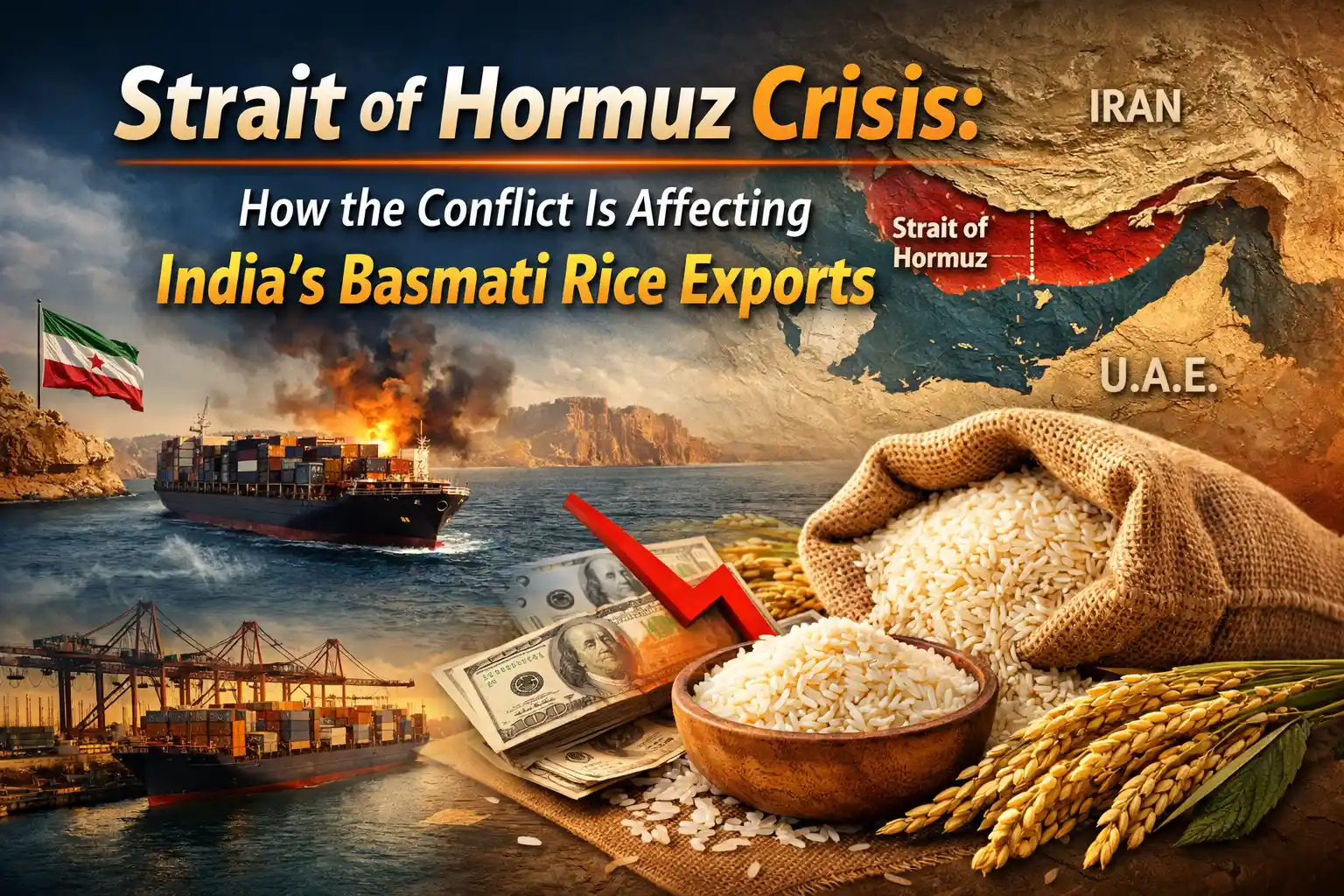
Another major concern for the global economy is the strategic oil route Strait of Hormuz, through which nearly 20% of the world’s oil supply passes. Any disruption in this route can impact the global supply chain and energy markets.
In such an environment, one of the biggest questions for investors is:
When markets are falling and the risk of war is rising, which sectors should investors focus on?
History shows that during wartime, the entire market does not fall equally. Some sectors weaken significantly, while others perform strongly. In this article, we will analyze in detail which sectors tend to benefit or remain resilient during geopolitical crises.
Defence Sector – The Biggest Beneficiary During War
During times of war, governments usually increase their defense budgets rapidly.
This leads to higher demand for:
- Missile systems
- Air defense systems
- Military aircraft
- Warships
- Cybersecurity and defense technology
After recent geopolitical tensions, several global defense companies have witnessed stock price increases.
For example:
- Lockheed Martin
- RTX Corporation
- Northrop Grumman
These companies saw stock gains of around 4–6% recently, as investors expect defense spending to increase globally.
Potential Defence Stocks in India
- Hindustan Aeronautics Limited
- Bharat Electronics Limited
- Mazagon Dock Shipbuilders Limited
- Cochin Shipyard Limited
- Paras Defence and Space Technologies
👉 Therefore, the defence sector often outperforms the broader market during wartime.
Oil & Energy Sector – The Most Direct Impact of War
If a conflict occurs near oil-producing regions, the energy market is usually the most affected.
Recent developments have caused:
- Sharp increases in oil prices
- Supply chain disruptions
- Rising shipping risks
As a result, energy companies often benefit from higher oil prices.
Major Global Energy Companies
- ExxonMobil
- Chevron Corporation
- BP plc
Major Energy Companies in India
- Oil and Natural Gas Corporation
- Oil India Limited
- Reliance Industries
👉 If oil prices continue rising, the profits of these companies may increase significantly.
Shipping & Tanker Sector – Sudden Demand Surge
War can heavily disrupt global maritime trade.
Recently, tanker freight rates have increased sharply, and some shipping companies have witnessed stock price gains of up to 20%.
Reasons include:
- Increased demand for oil tankers
- Rerouting of shipping lanes
- Higher freight rates due to geopolitical risks
👉 Therefore, the shipping and tanker sector can also perform strongly during geopolitical tensions.
Gold & Precious Metals – Safe Haven Investment
When fear rises in the market, investors typically move their money into safe-haven assets.
The most popular safe-haven assets include:
- Gold
- Silver
- Precious metals
Historically, during wars or economic crises, gold tends to perform strongly because investors withdraw money from risky assets such as stocks.
Gold Investment Options in India
- Gold ETFs
- Sovereign Gold Bonds
- Jewellery companies
👉 As a result, the gold and precious metals sector often acts as a protection during market uncertainty.
Commodity & Mining Sector
Wars can disrupt the supply of several raw materials.
Examples include:
- Aluminium
- Copper
- Steel
Recently, aluminium prices reached a four-year high due to potential disruptions in smelters located in the Gulf region.
Major Indian Mining Stocks
- Vedanta Limited
- Hindustan Zinc Limited
- Tata Steel
- NMDC Limited
👉 When commodity prices rise, mining companies often benefit from higher revenues and profits.
Defensive Sector – FMCG and Healthcare
During uncertain economic conditions, investors prefer companies with stable and consistent demand.
These are known as Defensive Stocks.
Examples include sectors such as:
- FMCG
- Healthcare
- Utilities
Example Companies
- Hindustan Unilever
- ITC Limited
- Nestlé
These companies tend to remain stable because their products are part of daily consumer needs.
Sectors That Usually Perform Weakly During War
Some sectors tend to face pressure during geopolitical conflicts.
1. Airline Sector
Rising oil prices significantly increase operating costs for airlines.
2. Tourism Sector
Travel demand declines during times of war or geopolitical uncertainty.
3. Luxury Goods Sector
Consumers typically reduce discretionary spending during economic uncertainty.
Reports suggest that following recent war headlines, airline and hotel stocks experienced declines due to rising fuel costs and reduced travel demand.
Important Precautions for Investors
If markets are falling due to war, investors should keep the following points in mind:
1. Avoid Panic Selling
Selling stocks in panic during market declines can often lead to significant losses.
2. Maintain Portfolio Diversification
Invest across different sectors instead of concentrating investments in one sector.
3. Choose Companies with Strong Fundamentals
Companies with low debt and strong cash flow tend to perform better during crises.
4. Monitor Global News
Oil prices, geopolitical developments, and government policies can strongly influence markets.
5. Maintain a Long-Term Perspective
Most wars and crises are temporary, but strong companies often grow over the long term.
Outcome
One of the most important principles of the stock market is:
Where there is fear, there are often hidden opportunities.
When markets fall due to war or global crises, many investors panic and exit the market. However, experienced investors often use these moments to identify strong sectors and fundamentally sound companies.
History shows that every major crisis eventually passes. However, strong businesses and resilient economies continue to grow over time.
Therefore, investors should always prioritize patience, research, and discipline.
Remember — identifying the right sectors at the right time is one of the most important keys to successful investing.
Disclaimer
This article is written only for educational and informational purposes. It does not constitute any form of investment advice. Investing in the stock market involves risks. Investors should consult their financial advisor before making any investment decisions. The author or publisher will not be responsible for any profits or losses resulting from investment decisions.