
Crude oil is not just another commodity — it is the backbone of the global economy. From transportation, manufacturing, power generation, inflation, and trade balances to government finances, crude oil prices influence almost every economic layer.
In late January 2026, Brent Crude prices moved above the $70 per barrel mark, triggering fresh discussions across global markets. This rise is not random or accidental. Instead, it is the result of multiple interconnected geopolitical, economic, and market-psychology factors, which we will analyze in detail below.
Geopolitical Tensions: The Biggest Driver Behind Rising Oil Prices
Historically, crude oil prices react most sharply to geopolitical risks, especially in oil-producing regions.
The Middle East continues to play a central role in global oil supply. Countries like Saudi Arabia, Iran, Iraq, Kuwait, and the UAE collectively control a large portion of global crude exports. Any tension in this region immediately raises alarm bells in energy markets.
What’s happening now?
- Rising tensions between the United States and Iran
- Ongoing concerns over sanctions, military posturing, and regional instability
- Market fear that even a small disruption could impact oil exports
Even before an actual supply disruption occurs, the oil market adds a “risk premium” to prices. This means prices rise in anticipation of possible future problems, not just current realities.
👉 This psychological pricing effect is a major reason Brent crude crossed $70.
Strait of Hormuz Risk: A Critical Supply Chokepoint
One of the most important yet often misunderstood factors in oil pricing is the Strait of Hormuz.
Why is it so important?
- Around 20–30% of global crude oil shipments pass through this narrow sea route
- It connects the Persian Gulf to global markets
- Any blockage, military tension, or threat here can disrupt oil flows instantly
Even rumors of instability in this region force traders to price in worst-case scenarios. The current geopolitical backdrop has once again pushed the market to factor in supply route risk, supporting higher oil prices.
Supply vs Demand: What Do the Real Numbers Say?
A critical question investors ask is:
Is oil actually in short supply?
Global Supply Situation
Contrary to popular belief:
- The United States continues strong shale and offshore production
- Brazil and Canada are producing at healthy levels
- OPEC+ has not implemented aggressive production cuts recently
In reality, global oil supply remains comfortable, and in some regions, even surplus conditions exist.
Global Demand Situation
- Demand is growing, but not explosively
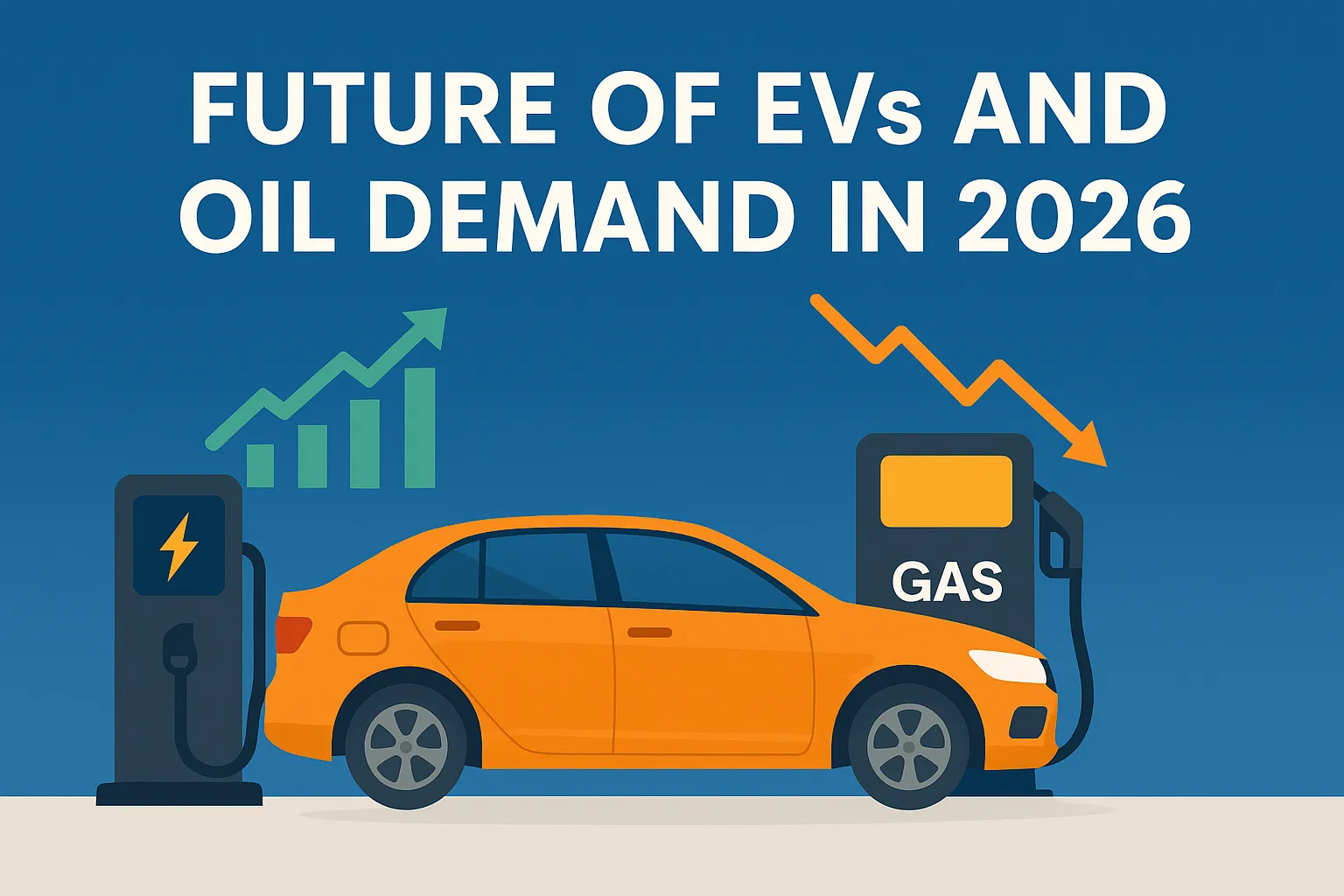
- Electric vehicles, renewable energy, and efficiency improvements are moderating long-term demand
- Economic growth remains uneven across regions
👉 Conclusion:
The current oil price rise is not driven by physical shortage, but by risk perception and market sentiment.
Investor Behavior and Financial Market Influence
Oil prices are heavily influenced by financial investors, not just producers and consumers.
During periods of:
- Stock market volatility
- Geopolitical uncertainty
- Economic slowdown fears
Investors shift money from equities into hard assets and commodities, including crude oil.
This capital inflow:
- Pushes up futures prices
- Creates short-term rallies
- Amplifies price movements beyond fundamentals
Oil futures markets currently reflect heightened speculative positioning, which explains the sharp move above $70.
OPEC+ Strategy: Controlled Uncertainty
OPEC+ plays a strategic role by:
- Avoiding aggressive supply expansion
- Maintaining a balanced yet flexible output approach
- Signaling readiness to intervene if prices fall too sharply
This controlled approach keeps markets slightly uncertain, which naturally supports higher prices. OPEC+ does not want prices to crash, nor does it want demand destruction from extreme prices — hence a carefully managed range.
Role of the US Dollar in Oil Prices
Crude oil is traded globally in US dollars, making currency trends extremely important.
- A weaker dollar makes oil cheaper for non-US buyers
- This increases global demand and speculative interest
- Investors often buy commodities as a hedge against dollar weakness
Recent softness in the dollar index has provided additional support to oil prices, reinforcing the upward trend.
Expert Outlook for 2026: What Do Analysts Expect?
Despite current strength, long-term forecasts remain cautious.
Average Brent Crude Estimates for 2026:
- $55–$62 per barrel (range suggested by multiple global institutions)
- Short-term spikes above $70 possible during geopolitical stress
- Sustained levels above $75 considered unlikely without major supply disruptions
This suggests that the current rally may be cyclical rather than structural.
Impact on India and the Global Economy
Impact on India
- India imports nearly 80–85% of its crude oil needs
- Higher oil prices increase:
- Import bills
- Inflationary pressure
- Fiscal stress
If Brent stays above $70 for an extended period, fuel prices and logistics costs may rise, indirectly affecting consumer inflation.
Global Impact
- Higher transportation and manufacturing costs
- Pressure on emerging market currencies
- Potential slowdown in global growth if energy costs stay elevated
Is This Oil Price Rise Abnormal?
The clear answer is no.
Oil markets have always responded sharply to:
- War risks
- Sanctions
- Shipping disruptions
- Investor fear
Similar price patterns were seen during:
- The Russia-Ukraine conflict
- Middle East unrest cycles
- Past Iran-US tensions
👉 This behavior is typical of oil markets, not an exception.
The Big Picture
The recent rise in crude oil prices above $70 is driven mainly by:
✔ Geopolitical risk premium
✔ Investor psychology
✔ Currency movements
✔ Strategic supply management
It is not due to a sudden collapse in oil supply.
Key Takeaway:
Oil is expensive today because markets are nervous — not because oil is running out.
Unless geopolitical tensions escalate significantly, prices are expected to stabilize or gradually ease over the medium term.
Data source: oilprice