SpaceX (Space Exploration Technologies Corp.) is an American aerospace and space transportation company founded by Elon Musk in 2002, headquartered in Hawthorne, California. Originally launched with the audacious goal of making humanity multi-planetary, SpaceX has grown into one of the most consequential companies of the decade. In a historic milestone, SPCX debuted on the Nasdaq at $135 per share on June 12, 2026, opening at $150 and closing its first session near $161. Within days of listing, SpaceX overtook Microsoft to become the fourth-largest U.S. company by market capitalization, reaching nearly $2.94 trillion — making this one of the largest public market debuts in history.
What the Company Does
SpaceX operates across three increasingly distinct businesses. First, launch services — building and flying the Falcon 9, Falcon Heavy, and the next-generation Starship rocket for government and commercial customers. Second, Starlink — a satellite internet constellation in low Earth orbit that now serves consumers, businesses, and governments worldwide. Third, and most recently, an AI division built around its 2026 acquisition of xAI (maker of the Grok chatbot), which the company is now expanding further through acquisitions like Cursor. What started as a rocket company has effectively become a space-and-AI conglomerate.
Business Model
SpaceX’s edge has always come from vertical integration — designing, manufacturing, and launching its own rockets rather than outsourcing, which has historically let it undercut competitors on launch cost. That cost advantage indirectly subsidizes Starlink, since SpaceX can deploy its own satellites cheaply using its own rockets. SpaceX’s Space segment, which includes launches for outside customers, generated $4.1 billion in 2025, up just 8% year-on-year — relatively slow growth not because launch activity was low (SpaceX completed 165 Falcon 9 launches that year) but because nearly three-quarters of those launches were used internally for Starlink rather than for paying customers. That detail is telling: SpaceX increasingly uses its own rockets to build its own internet business rather than to sell launches to others.
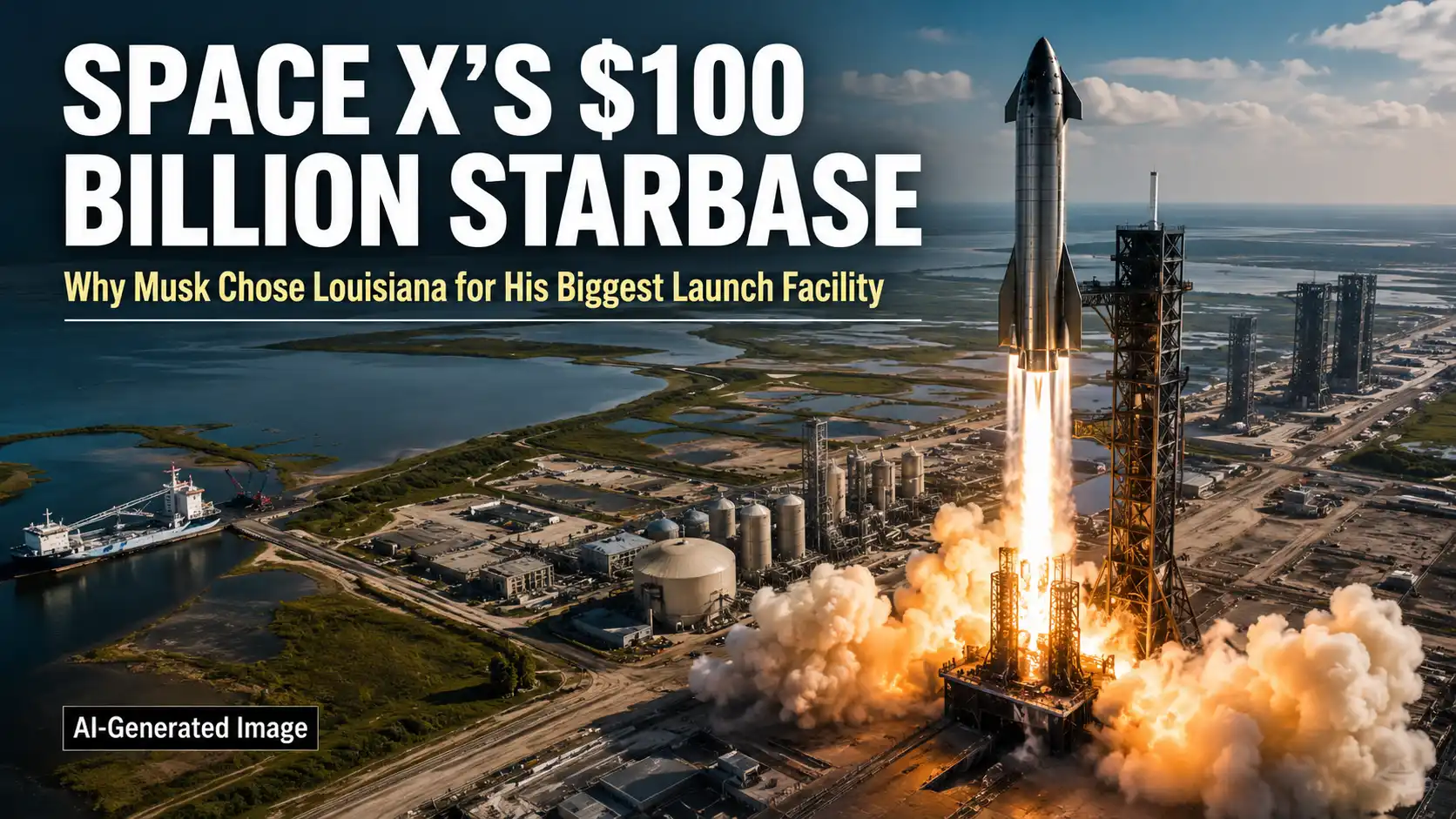
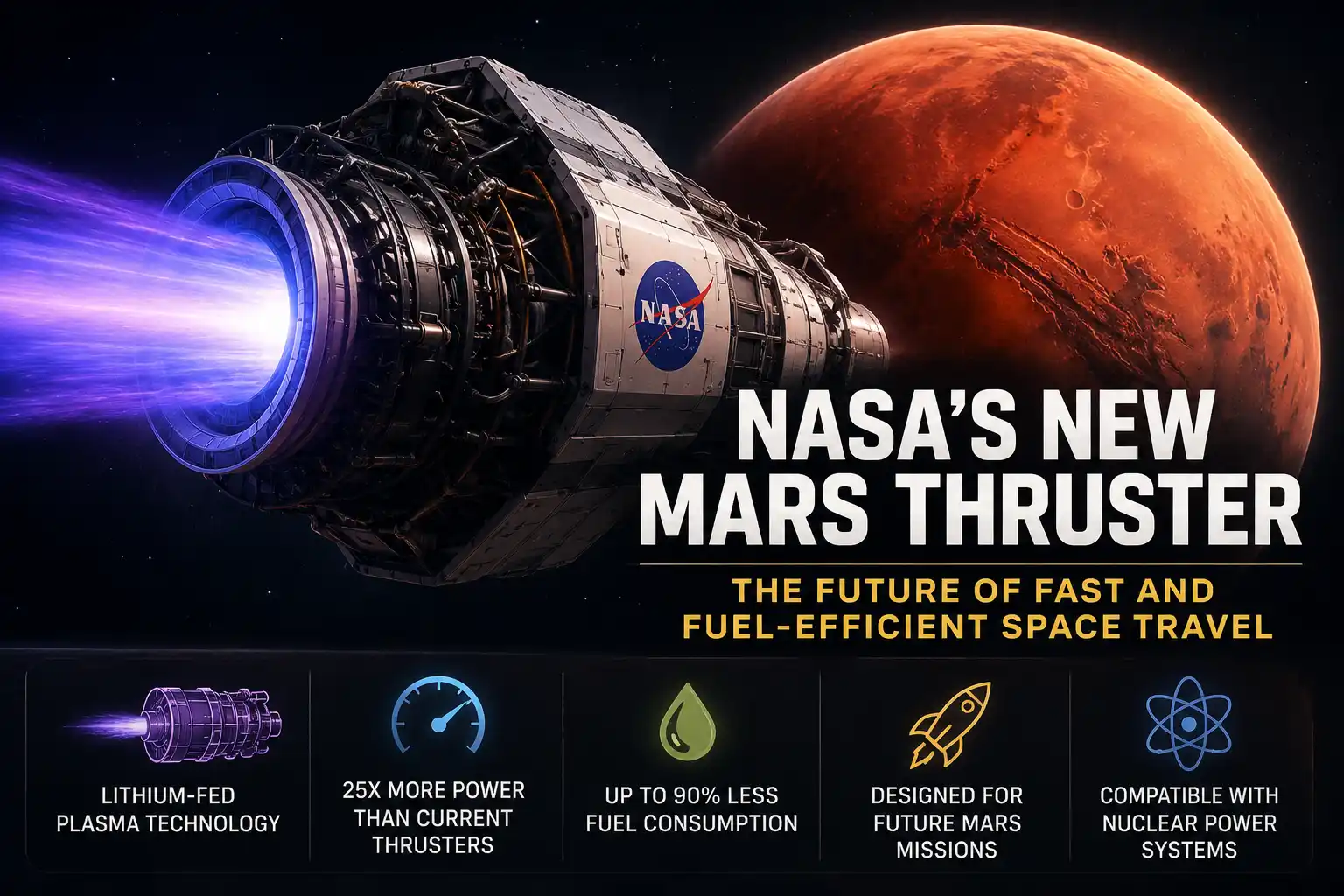
The company is also a key contractor for NASA’s Artemis Moon program, where SpaceX’s Starship is being developed as a Human Landing System under a fixed-price contract, with a docking test currently planned as part of Artemis III in 2027 and a crewed lunar landing targeted for Artemis IV in 2028.
Revenue Sources
Starlink has quietly become SpaceX’s real cash engine. Starlink accounted for $11.4 billion of revenue in 2025, up 48% from $7.7 billion in 2024, representing 61% of total company revenue, and generated $4.4 billion of operating profit — making it SpaceX’s core profit center even as the broader company posted a GAAP loss. Overall, SpaceX brought in $18 billion in consolidated revenue in 2025, up 33% from 2024, with EBITDA of $6.58 billion but a net loss of $4.9 billion.
Interestingly, Starlink’s growth has come from volume, not pricing. Average revenue per Starlink subscriber actually fell 18% to $81/month between 2023 and 2025, even as the subscriber base quadrupled — a deliberate trade-off of price for global scale. That strategy appears to be shifting: in May 2026, SpaceX raised Starlink plan prices by up to $10/month, signaling a move toward monetizing its now-massive installed base of over 10 million active customers across 160 countries as of February 2026.
Promoters & Management
Elon Musk founded SpaceX and serves as CEO, CTO, and Chief Designer — there is no separate CTO role at the company, reflecting his hands-on involvement in engineering decisions even as he splits time across Tesla, xAI, X, and other ventures.
The person widely credited with actually running the company day-to-day is Gwynne Shotwell, President and COO. She joined as SpaceX’s 11th employee in 2002 and became President and COO in 2008, steering the company through its earliest near-bankruptcy moments to its record-breaking IPO. She is also one of the largest individual shareholders in SpaceX, with her stake valued at around $2 billion at the time of listing. Colleagues describe the founder-operator dynamic candidly: while Musk is the visionary behind the company’s direction, Shotwell is the one who gets things done, with one former engineer noting that Musk creates urgent disruption while Shotwell handles the room.
Other key leaders include Bret Johnsen, CFO since 2011, who led IPO preparations; Mark Juncosa, overseeing Starship development; Jon Edwards, VP of Falcon Launch Vehicles; and retired four-star general Terrence O’Shaughnessy, who heads government and special programs. On governance and control, Shotwell’s shareholding includes Class B shares carrying 10x voting power, but Musk’s controlling stake means outside shareholders are largely along for the ride — an important consideration for anyone evaluating the stock from a governance standpoint.
Competitors
SpaceX faces different rivals in each of its business lines:
- Launch services: United Launch Alliance (Boeing–Lockheed Martin joint venture), Blue Origin, and Rocket Lab
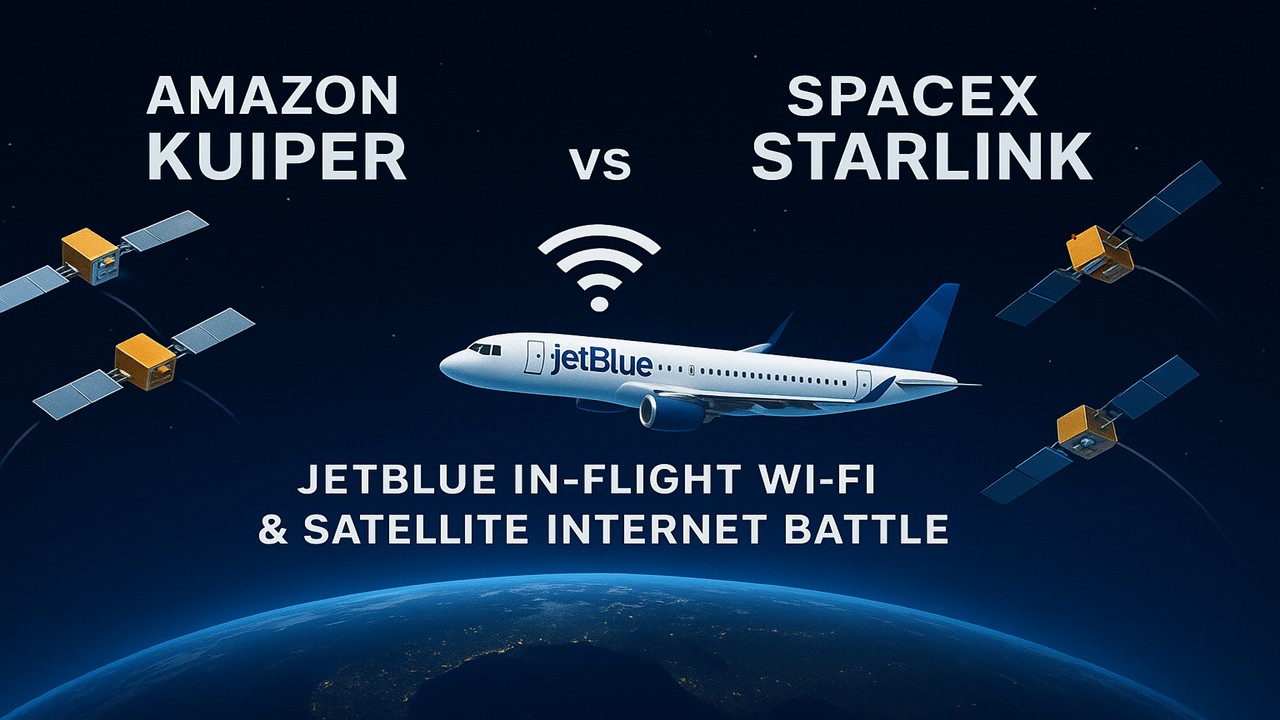
- Satellite internet: Amazon’s Project Kuiper, along with traditional players like Viasat and EchoStar — notably, EchoStar itself became a major SpaceX shareholder in recent years, blurring the line between rival and investor
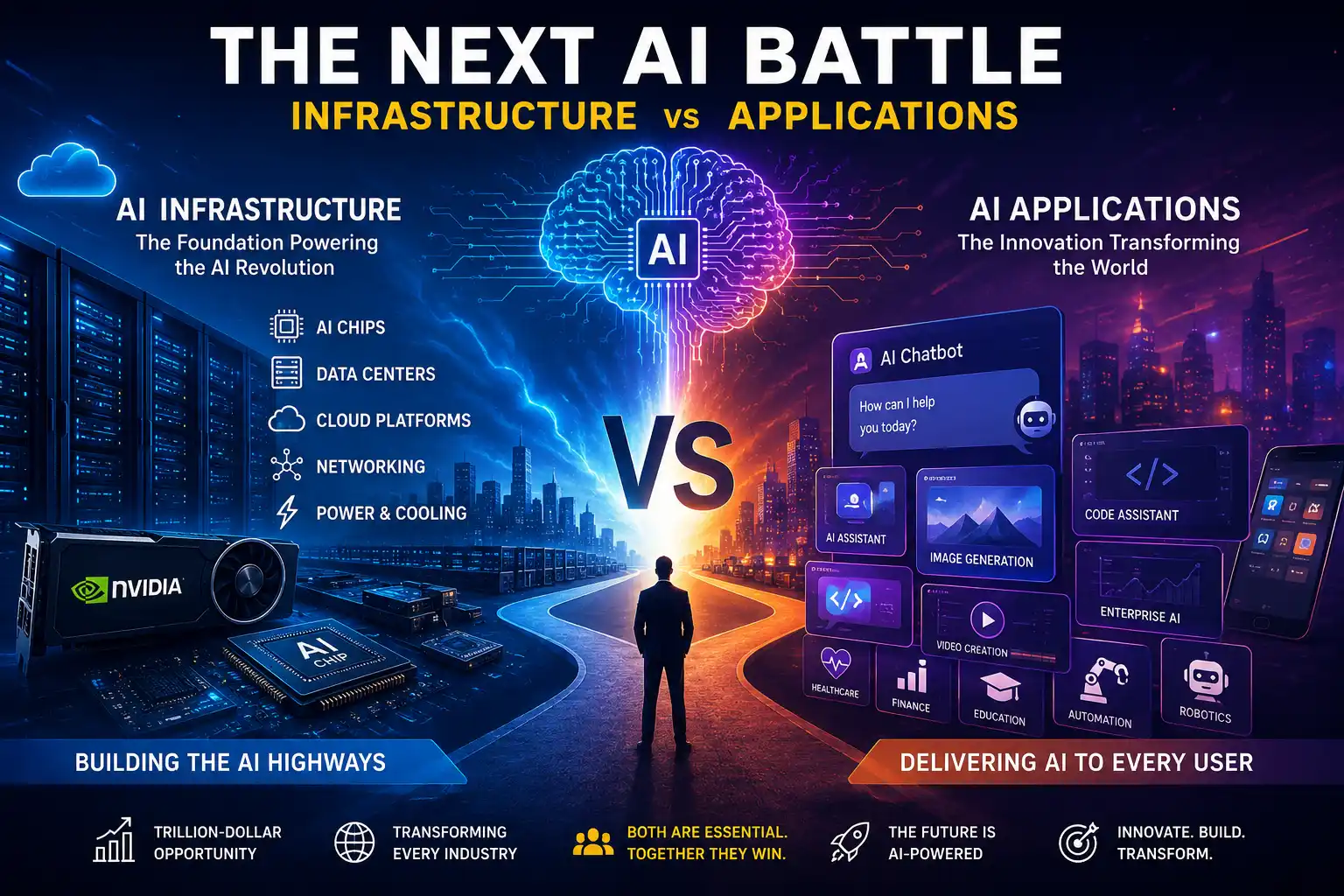
- AI infrastructure: Following the xAI merger, SpaceX is now loosely grouped with OpenAI and Anthropic as part of what some analysts call the “FAB 10” — Frontier AI and Big Tech leaders reshaping market indices
Growth Drivers
Musk has put a strikingly bold number on the table: he said SpaceX “might be able to reach approximately” $1 trillion in revenue by 2030, compared to roughly $18-19 billion in 2025 — a more than 50x increase in just five years. The drivers behind that ambition include:
- Starlink scale and pricing power — continuing to grow its 10-million-plus subscriber base while now also raising prices for the first time in years
- Starship cost reduction — a fully reusable rocket would dramatically cut the cost of deploying satellites and cargo, reinforcing the Starlink flywheel
- AI expansion — SpaceX has been acquisitive here, including a $60 billion deal to acquire Anysphere, the company behind the AI coding tool Cursor, following its earlier xAI merger
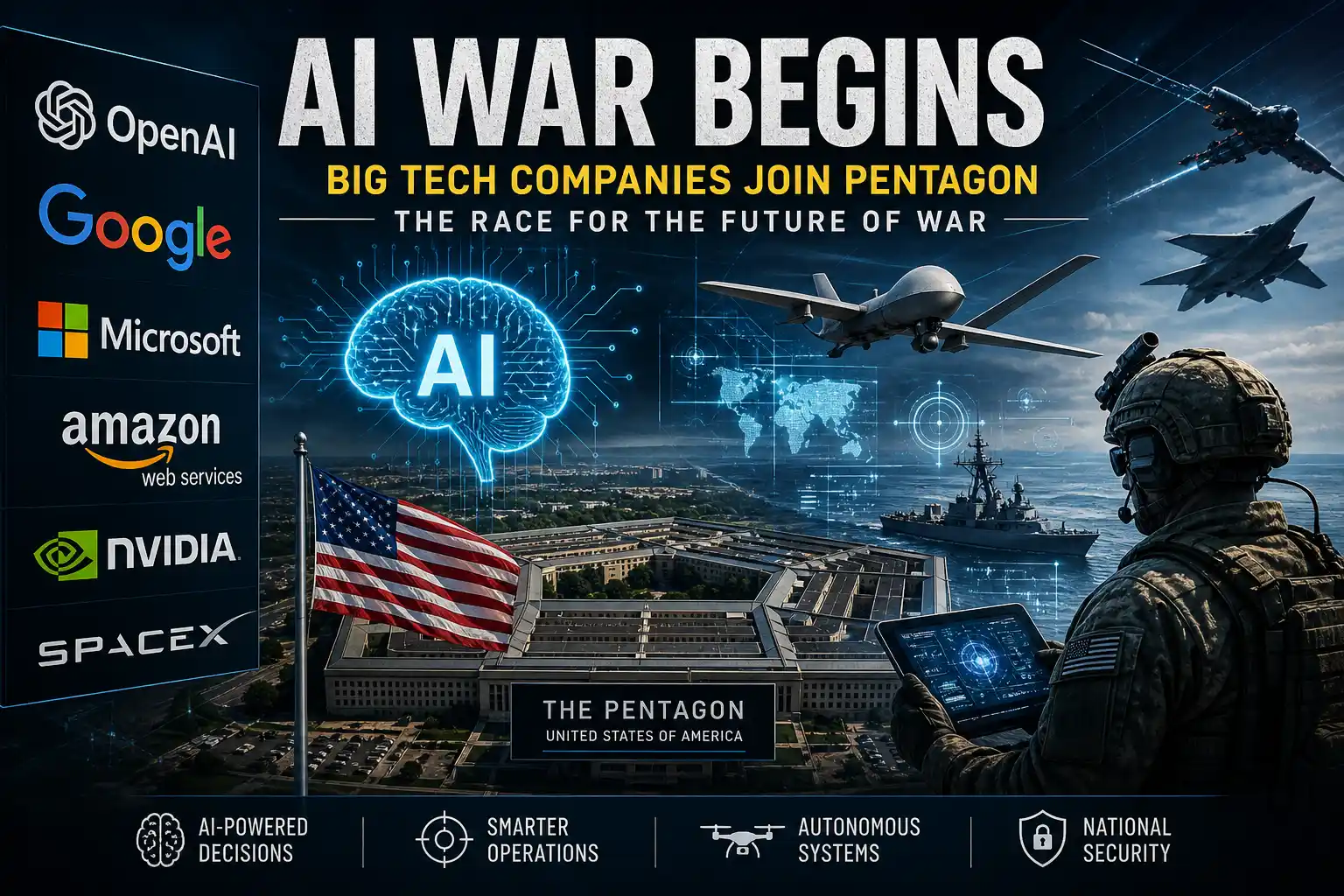
- Government and defense contracts — continued reliance on Pentagon and NASA launch and lunar lander contracts
Risks & Challenges
For all the hype, SpaceX’s financials reveal real strain. The company disclosed a nearly $5 billion GAAP net loss in 2025 — a sharp reversal from earlier reports of roughly $8 billion in profit — driven by capital expenditure, stock-based compensation, debt, and the inclusion of X/xAI-related AI losses, while also carrying approximately $17 billion in combined space-and-AI cash burn and up to $119 billion in planned capital expenditure for its “Terafab” project. The AI segment alone posted a $6.35 billion operating loss in 2025, meaning Starlink’s profitability is effectively subsidizing xAI’s heavy spending.
Execution risk on Starship remains significant. As of May 2026, Starship has flown 12 times, with 7 successes and 5 failures, and the most recent test — the Version 3 debut on May 22, 2026 — suffered a booster mishap that triggered an FAA investigation. Musk himself has acknowledged the stakes, warning of “genuine risk of bankruptcy” if Starship fails to achieve a flight rate of at least once every two weeks. On the Artemis program, NASA has already had to scale back ambitions: Artemis III was reprofiled in February 2026 from a crewed lunar landing to a lower-risk Earth-orbit docking demonstration, with the actual landing pushed to Artemis IV in 2028.
Other risks include extreme valuation (an EBITDA multiple far above public-market peers), concentrated founder control limiting minority shareholder influence, and the regulatory/index-inclusion uncertainty that comes with such a large, complex, recently-IPO’d company.
Financial Performance (Last 5 Years)
Multi-year audited data is limited since SpaceX only began disclosing detailed financials ahead of its 2026 IPO. Based on available estimates and disclosures:
| Year | Revenue | Starlink Revenue | Key Notes |
| 2022 | ~$4.6B (est.) | Subscriber base: ~1M | Early Starlink scale-up |
| 2023 | ~$8-9B (est.) | Subscriber base: ~2.3M | Falcon 9 launch cadence rising |
| 2024 | $13.1B | $7.7B | Subscriber base: ~4.6M |
| 2025 | $18-18.7B | $11.4B (61% of total) | 33% YoY growth; $6.58B EBITDA; $4.9B net loss; 10M+ Starlink subscribers by early 2026 |
| Q1 2026 | — | — | Revenue rose 15% YoY |
| IPO (Jun 2026) | — | — | Listed at $135/share; market cap ~$2.9-3T, ahead of Amazon and briefly Microsoft |
The pattern is clear: strong, consistent top-line growth (especially from Starlink), but widening net losses as AI-related capital spending accelerates — a financial profile that looks more like an aggressive growth/infrastructure story than a mature, profitable enterprise.
Verdict
SpaceX has transformed from a pure rocket company into a sprawling space-Starlink-AI conglomerate, and its IPO ranks among the largest and most closely watched market debuts in history. The underlying businesses — particularly Starlink — are growing fast and turning genuinely profitable on their own. But the company as a whole remains in the red, largely because of heavy investment in AI infrastructure following the xAI merger, and Starship’s flight reliability and Artemis timeline have both faced recent setbacks. The gap between today’s reported losses and Musk’s stated ambition of $1 trillion in revenue by 2030 is enormous, and how that gap closes — through Starlink monetization, Starship maturity, or AI payoff — will likely determine whether the post-IPO valuation holds up over the coming years.
Disclaimer
This is not investment advice. The above analysis is based on publicly available information at the time of writing and is intended for educational purposes only. Please consult a SEBI-registered or other qualified financial advisor before making any investment decisions.