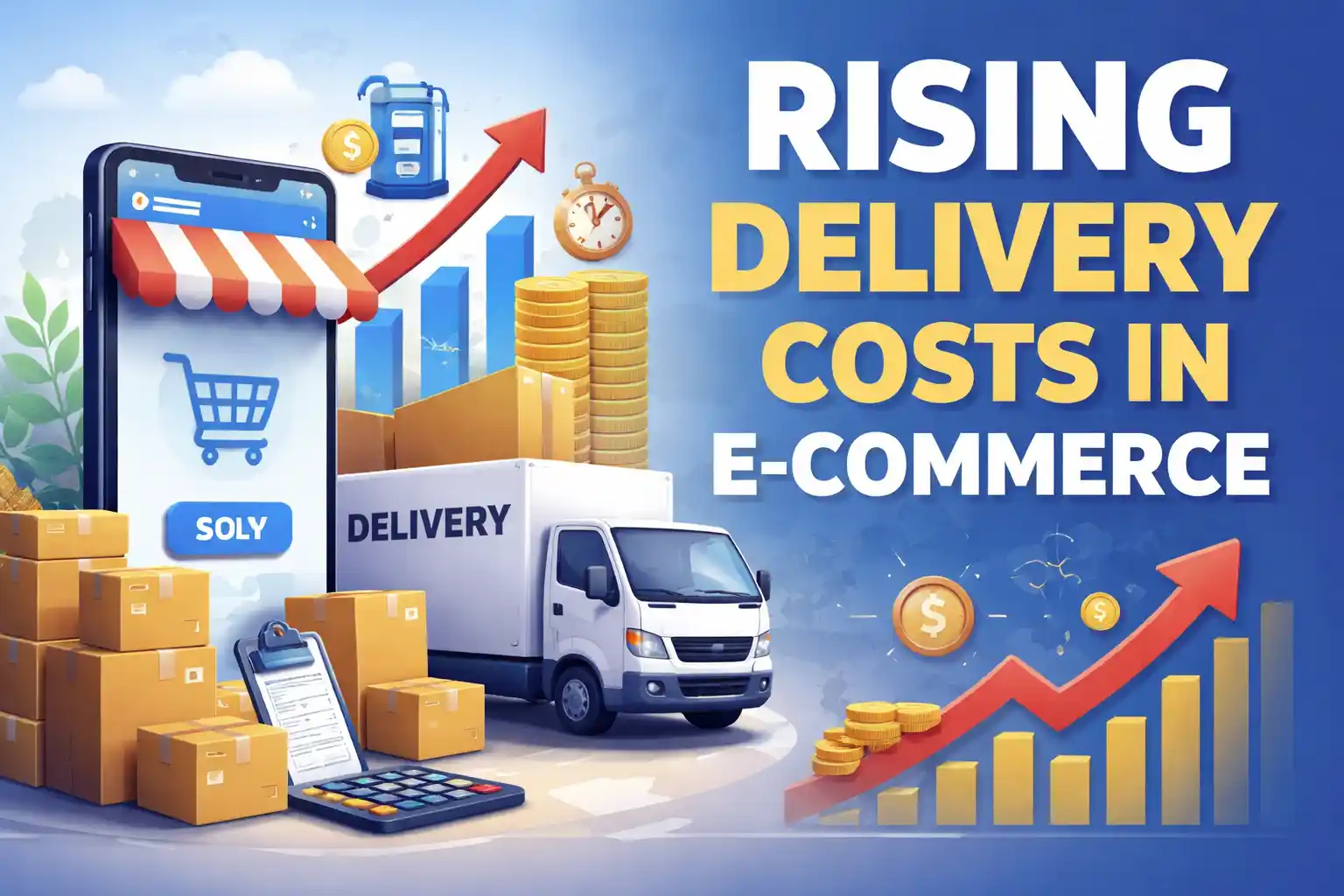
Today, online shopping has become a part of our daily life. We order anything from home and receive it within hours or a couple of days. But behind this convenience, a major problem is growing rapidly — the surge in delivery costs.
Global e-commerce giants like Amazon, Flipkart, and Alibaba are now facing increasing pressure due to rising delivery expenses. This issue has become so significant that it is impacting both profitability and future growth.
Let’s understand this step-by-step
Why Are Delivery Costs Increasing?
1. Fuel Price Increase (Biggest Reason)
The delivery system is completely dependent on fuel — trucks, bikes, vans, and even flights.
When oil prices rise, every delivery becomes more expensive.
Currently, global fuel costs have increased significantly, raising the cost per order.
2. Supply Chain Problems
Due to global tensions and trade disruptions:
- Delivery routes are affected
- Freight charges have increased
- Import-export costs have gone up
This directly impacts delivery costs.
3. Rising Labor Costs
E-commerce companies depend heavily on delivery agents.
- Higher fuel allowances
- Increased incentives
- Rising manpower costs
Especially in countries like India, last-mile delivery is labor-intensive.
4. Pressure of Free Delivery Model
Customers expect free delivery, but:
- Companies bear the cost
- Profit margins shrink
Free delivery is becoming expensive for companies.
5. High Return Rates (Hidden Cost)
Online shopping has high return rates, especially in:
- Fashion
- Electronics
Returns involve:
- Picking up the product
- Sending it back to the warehouse
- Reprocessing and reselling
This almost doubles the delivery cost.
6. Fast Delivery Competition
Companies are competing to provide same-day or next-day delivery.
- Faster delivery = higher cost
- Need for nearby warehouses (dark stores)
Increasing speed significantly raises costs.
Impact on E-commerce Companies
1. Declining Profit Margins
Rising delivery costs reduce company earnings.
In some cases, delivery costs exceed product profit.
2. Increase in Product Prices
Companies are passing costs indirectly to customers:
- Handling charges
- Platform fees
- Higher product pricing
3. Reduction in Free Delivery
Companies are now:
- Increasing minimum order value
- Promoting paid memberships like Amazon Prime
4. Slower Expansion
Expanding into new cities has become expensive.
Companies are adopting a more selective growth strategy.
How Companies Are Responding
1. Use of Technology and AI
- Route optimization
- Smart delivery planning
Helps reduce fuel and time costs.
2. Building Local Warehouses
Companies are setting up warehouses closer to customers.
This reduces delivery distance and cost.
3. Adding Extra Charges
- Convenience fees
- Surge pricing
Companies are gradually recovering costs from customers.
4. Stricter Return Policies
- No-return policies for some products
- More strict rules
Helps reduce unnecessary returns.
5. Logistics Partnerships
Partnering with third-party logistics companies to share costs.
Future Trends
Major changes are expected in the e-commerce industry:
🔹 1. Free Delivery May Decline
Customers may have to pay for delivery in the future.
🔹 2. Rise of AI and Automation
Smart logistics will become key to cost control.
🔹 3. Growth of Hyperlocal Delivery
Nearby warehouses will enable faster and cheaper delivery.
Outcome
The e-commerce industry is going through a major transition phase. Earlier, the focus was:
“Fast + Cheap + Free Delivery”
But now the reality has changed:
“Fast Delivery = High Cost”
Companies are now focusing more on profitability rather than just growth. In the future, customers may also have to share the burden of delivery costs.
Overall, the surge in delivery costs is not a temporary issue — it is a structural change that will reshape the entire e-commerce business model.