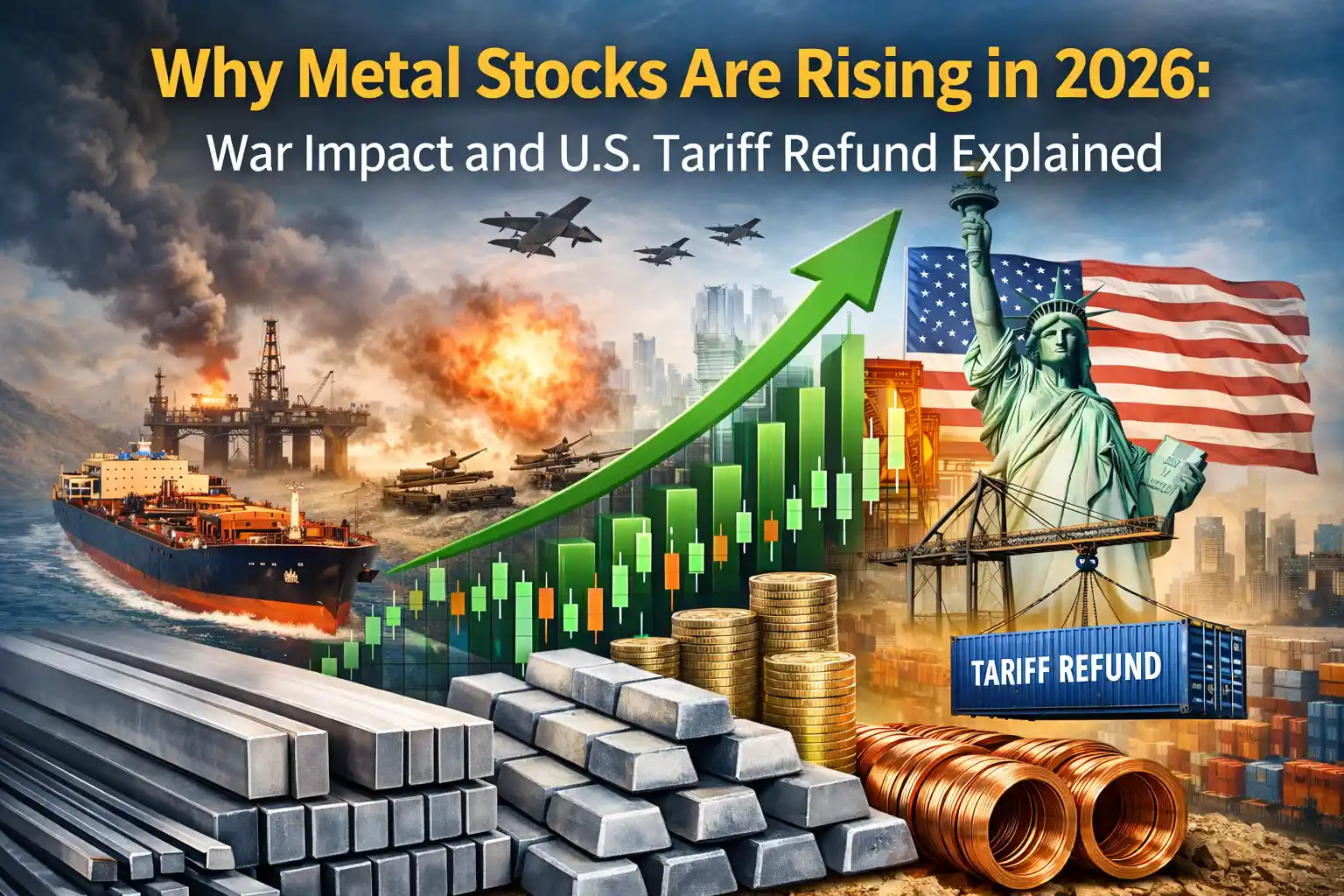
Since the beginning of 2026, the global economy has been experiencing several major developments. On one hand, rising geopolitical tensions and war risks in the Middle East, and on the other hand, a significant U.S. court ruling regarding tariffs imposed during Donald Trump’s presidency, have created major discussions in global financial markets.
These events are already visible in stock market movements. Many sectors such as banking, technology, and consumer stocks have shown weakness in several markets, while metal and commodity sectors have remained relatively strong.
The strength in the metal sector is not driven by a single factor. Instead, it is the result of multiple forces including:
- supply disruption concerns
- rising energy prices
- defense and infrastructure demand
- global trade policy changes
At the same time, the U.S. Supreme Court ruled that several tariffs imposed under the International Emergency Economic Powers Act (IEEPA) were invalid. As a result, companies that previously paid those tariffs may now receive large refunds worth billions of dollars.
Because of these developments, investors are asking several important questions:
- Why is the metal sector strong right now?
- How does war affect metal prices?
- What impact could tariff refunds have on global metal markets?
- What should investors watch in the coming months?
Let’s examine these issues in detail.
Current Situation of the Global Metal Market (2026)
The global metal market has seen significant momentum during late 2025 and early 2026.
Several industrial metals have traded near multi-year highs:
- Copper prices have approached record levels
- Aluminium prices have remained strong
- Steel prices have been supported by supply constraints and global demand
According to several commodity outlook reports, copper prices could average around $12,000 per ton in 2026, which would place them among the highest levels in history.
Similarly, aluminium prices are expected to remain close to $3,000 per ton due to supply limitations and steady demand from industrial sectors.
The World Bank commodity outlook also suggests that base metal prices may remain supported in 2026 and 2027 because of structural demand from infrastructure and energy transition projects.
Impact of War and Geopolitical Tensions on the Metal Sector
Supply Chain Disruption
One of the biggest effects of geopolitical tensions is disruption to global supply chains.
Rising tensions in the Middle East have raised concerns about shipping routes and raw material supply. One of the most critical routes is the Strait of Hormuz, through which a large portion of global energy and industrial shipments pass.
The Gulf region alone accounts for about 8% of global aluminium production, meaning any disruption in this region could impact global metal supply.
When supply risks increase, commodity prices often rise, which can benefit mining and metal companies.
Energy Costs and Metal Production
Energy is a critical input for metal production.
Industries such as:
- aluminium smelting
- steel production
- copper refining
require large amounts of electricity and natural gas.
If geopolitical tensions push oil and gas prices higher, production costs for metals may increase. In many cases, this leads to higher metal prices as supply tightens.
Defense Demand
War risks often lead to increased defense spending by governments.
Defense equipment requires large quantities of metals such as:
- steel
- aluminium
- titanium
- copper
As military production rises, demand for these metals may also increase.
The Trump Tariff Case and Its Global Trade Impact
One of the most important legal developments in 2026 came from the United States.
The U.S. Supreme Court ruled that tariffs imposed under the International Emergency Economic Powers Act (IEEPA) were not legally valid.
As a result, companies that previously paid these tariffs may be eligible for refunds.
Economic estimates suggest that the total amount of potential tariff refunds could reach as high as $175 billion.
This ruling has significant implications for global trade because tariffs were a major factor influencing international metal markets during the past decade.
Possible Effects of Tariff Refunds on the Metal Sector
Cheaper Imported Metals
If tariffs are weakened or refunds are issued, imported metals may become cheaper.
This could lead to:
- increased global trade in steel and aluminium
- greater international competition among producers
Domestic metal companies in some countries may face pressure if imports become cheaper.
Boost to Manufacturing Activity
Tariff refunds would return cash to many manufacturing companies.
Industries that could benefit include:
- automobile manufacturers
- machinery producers
- construction companies
If these industries increase production, metal demand could also rise, supporting global prices.
China: The Biggest Driver of Metal Demand
China remains the most important factor in the global metal market.
It is:
- the largest consumer of steel
- one of the biggest buyers of copper
- a major driver of global infrastructure demand
China’s government has recently announced several economic stimulus measures to support growth, which could increase infrastructure spending and metal consumption.
Because of China’s size, even small changes in its demand can significantly influence global metal prices.
Energy Transition and the EV Revolution
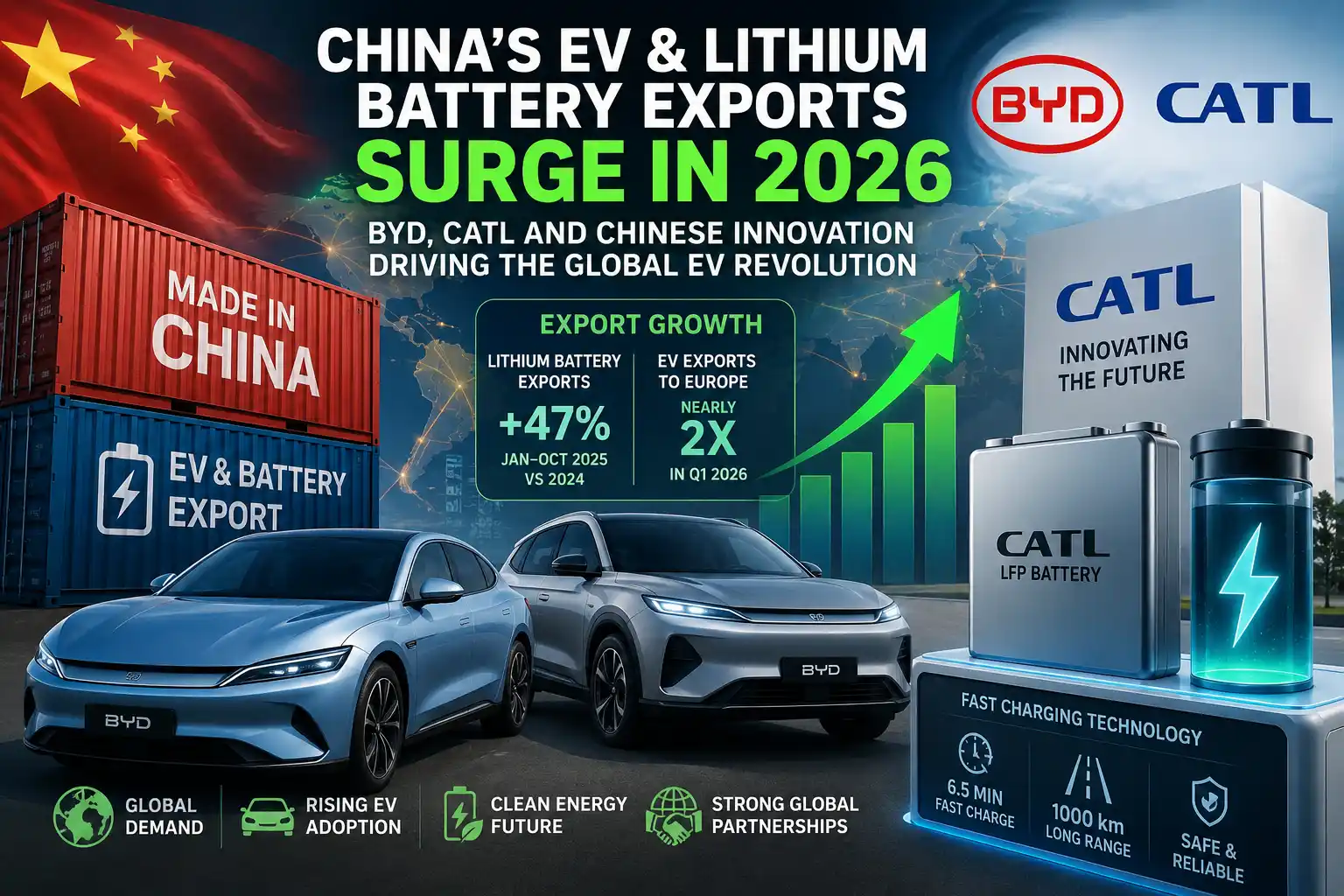
Another major long-term driver of metal demand is the global shift toward clean energy and electric vehicles (EVs).
Many metals are essential for these industries, including:
- copper for electrical wiring
- aluminium for lightweight vehicle structures
- nickel and lithium for batteries
The rapid expansion of renewable energy projects and EV production is expected to create strong structural demand for industrial metals over the next decade.
Why the Metal Sector Is Highly Volatile
Despite strong demand trends, the metal sector is also one of the most cyclical and volatile sectors in financial markets.
For example, metal indices have recently seen sudden declines of several percent in a single trading session due to:
- geopolitical headlines
- currency fluctuations
- global economic data
This shows that metal stocks often move quickly based on sentiment and macroeconomic news.
What Could Happen If War Tensions Ease
If geopolitical tensions begin to decline, markets could see several shifts.
Possible outcomes include:
- investors rotating back into growth sectors like technology and banking
- profit-booking in commodity and metal stocks
- short-term corrections in metal prices
However, if global industrial demand remains strong, metals may stabilize again after any short-term correction.
Impact on Indian Metal Companies
India has several major metal producers that are active in global markets.
These include:
- Tata Steel
- JSW Steel
- Hindalco
- Vedanta
If U.S. tariffs are reduced or removed, Indian exports to the United States could become more competitive, which may create opportunities for these companies.
This could strengthen India’s position in the global metal trade.
Key Factors Investors Should Watch
Geopolitical Developments
War and political tensions can rapidly influence metal prices and investor sentiment.
Global Metal Prices
Investors should monitor prices of major industrial metals such as copper, aluminium, and steel.
China’s Economic Policies
China’s infrastructure spending and stimulus programs strongly influence global metal demand.
International Trade Policies
Tariffs and trade agreements can reshape global metal supply and competition.
Company Fundamentals
When investing in metal companies, investors should examine:
- debt levels
- production costs
- access to raw materials
- export exposure
Companies with lower production costs generally perform better during downturns.
Outcome
The global metal sector in 2026 is being shaped by several powerful forces.
Geopolitical tensions are creating supply concerns that support metal prices, while the U.S. court ruling on tariffs could significantly alter global trade patterns.
If war tensions ease and tariff refunds begin, the metal sector may experience short-term volatility. However, long-term demand from infrastructure development, electric vehicles, and renewable energy could continue to support industrial metals.
For investors, the most important strategy is to focus not only on short-term market sentiment but also on global demand trends, commodity cycles, and company fundamentals when making investment decisions.