Aluminium is a lightweight, strong, and recyclable metal with growing importance across industries like automobiles, renewable energy, construction, power transmission, and packaging.
In the next three years (2026–2028), how will its demand, supply, prices, and market trends evolve globally and in India? Let’s explore the full analysis.
Why Aluminium Matters
Aluminium is valued because it is:
✔ Lightweight and durable
✔ Corrosion-resistant
✔ 100% recyclable
✔ Energy-efficient
These properties make it essential in vehicles, aircraft, packaging, construction, and electrical wiring. Globally, aluminium is increasingly seen as a sustainable, lightweight solution.
Global Market: Current Status and Long-Term Trend
Global Supply-Demand Dynamics
- Analysts expect strong global aluminium demand through 2026, even though production is gradually increasing. Short-term supply-demand gaps may emerge, supporting prices.
Current Prices
- On the LME (London Metal Exchange), aluminium traded above $3000/ton in 2025–26, reflecting multi-month highs.
Price Forecasts
- Some forecasts suggest slight price moderation in 2026 due to increasing supply (~$2300–$2400 range).
- Others indicate prices could rise again due to supply-demand imbalances and higher production costs.
➡ Takeaway: Global aluminium demand is strong, particularly in innovative sectors, while prices may fluctuate but have long-term upward support.
Global Supply-Demand Outlook
Rising Demand:
- Aluminium is increasingly required for electrification, renewable energy (solar/wind), EVs, and data infrastructure.
Supply Constraints:
- China, the largest producer, is near full capacity, limiting global supply growth.
- Southeast Asia sees gradual output expansion, but not fast enough to fully meet demand.
➡ Summary: Global demand is rising faster than supply, creating long-term price support.
Aluminium Market in India (2026–28)
Demand and Growth Drivers
India’s aluminium demand is expected to grow 7–9% per year due to:
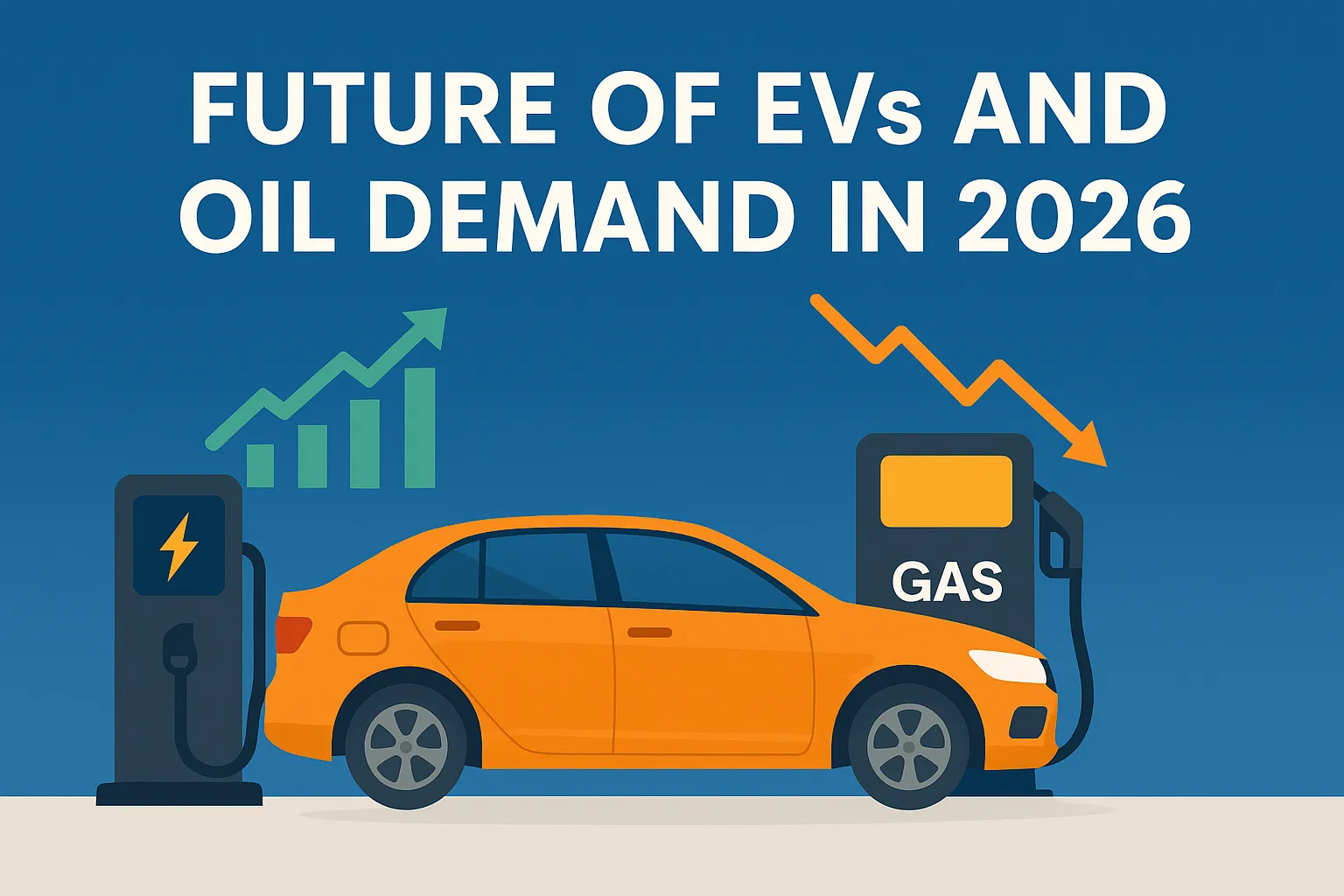
🔹 Automotive & EVs: Lightweight vehicle manufacturing drives aluminium usage.
🔹 Renewable Energy & Transmission: Power grids, solar frames, and wind structures use aluminium extensively.
🔹 Construction & Infrastructure: Buildings, bridges, airports, and smart city projects increase demand.
🔹 Packaging: FMCG and beverage sectors require recyclable aluminium packaging.
Production & Capacity Expansion
- Major producers like Vedanta Limited plan to expand production from 2.4 Mtpa to 3.1 Mtpa, significantly increasing India’s domestic supply.
Policy & Sustainability
- NITI Aayog has issued a decarbonisation roadmap for high-energy industries, promoting sustainable aluminium production in India.
Prices — 2026–28 Forecast
Historical Prices:
- Aluminium prices ranged around $2900+/ton in early 2026.
Forecast:
- Short-term: Prices may fluctuate ($2300–$3000) based on supply adjustments.
- Long-term: Supply-demand imbalances and increasing production costs could push prices upward.
Industries Driving 3-Year Demand
🌟 (A) EVs & Automotive: Highest growth due to lightweight vehicle requirements.
🌟 (B) Renewable Energy: Solar/wind infrastructure and grid wiring increase aluminium usage.
🌟 (C) Aerospace & Defence: High-performance, lightweight materials are in demand.
🌟 (D) Packaging & Consumer Goods: Growing demand for recyclable packaging.
Risks & Challenges
⚠ Supply-side risks: Energy costs and electricity tariffs may increase production costs.
⚠ Global recession: Slower economic growth could reduce demand.
⚠ Policy/Tariff changes: International tariffs may impact pricing and imports.
Summary: 2026–28 Outlook
✅ Demand: Strong across major sectors
✅ Prices: Short-term fluctuations; long-term upward pressure expected
✅ Supply: Increasing capacity but not fully balancing demand
✅ India Focus: Capacity expansion + green aluminium production
Outcome
Aluminium is not just the metal of today but also the metal of the future. Its growing use across EVs, packaging, construction, renewable energy, and electrical infrastructure ensures strong demand over the next three years. While short-term fluctuations in prices may occur, long-term fundamentals remain favorable.
This analysis is based on available market data and trends as of 2026