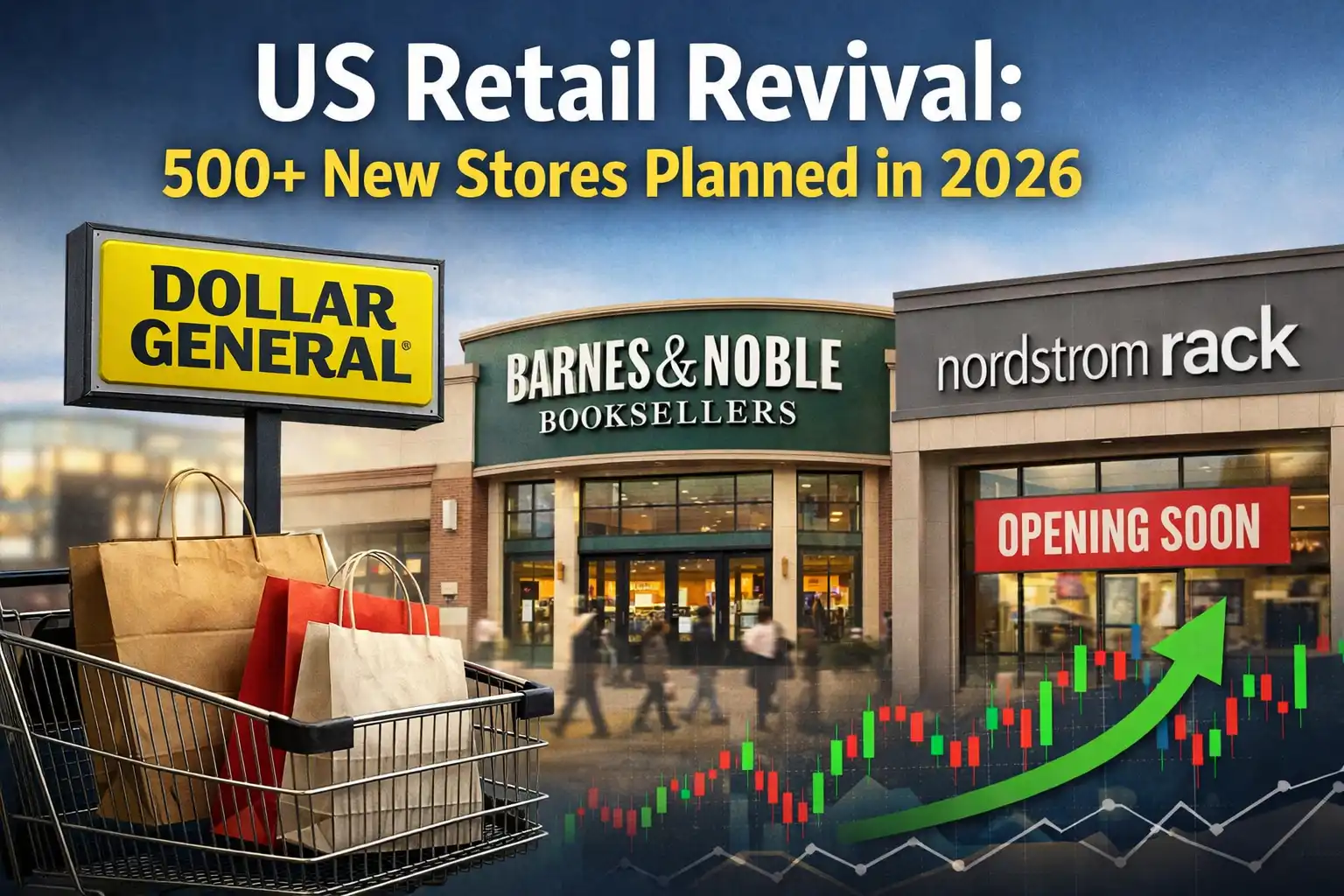
The U.S. retail sector appears to be turning a corner after a period of widespread store closures and weakening foot traffic. Retailers across the country are now planning to open more than 500 new stores in 2026, signaling renewed confidence in physical retail and strong consumer demand for value-oriented shopping experiences.
While the industry has faced headwinds from e-commerce competition and earlier waves of store closures, this latest expansion suggests a broader shift toward strategic growth, especially among discount and off-price retailers.
Key Retailers Leading the Expansion
Several major U.S. retailers have announced rollout plans that together account for a significant share of the 500+ new stores planned for next year:
Dollar General – Leading the Charge
Discount giant Dollar General will open approximately 450 new stores in the U.S. in 2026, making it the single largest contributor to this retail expansion wave. The company is also planning broad store remodels as part of its growth strategy.
Barnes & Noble – Return to Growth
Bookseller Barnes & Noble plans to open 60 new stores nationwide in 2026, adding to the dozens already opened in 2025. Retail executives say the strategy of empowering local booksellers and tailoring store experiences has helped drive sales, enabling this expansion.
Ollie’s Bargain Outlet
Ollie’s, a popular discount store, is moving forward with approximately 75 new locations in 2026 — reflecting consumer appetite for discounted merchandise.
Nordstrom Rack and Uniqlo – Off-Price and Apparel Growth
Off-price fashion retailer Nordstrom Rack is expanding with new stores across multiple states, while Japanese apparel brand Uniqlo will open about 11 new outlets in key U.S. cities next year.
What This Means for U.S. Retail
📈 1. Value-Focused Retail Is Winning
Discount and value-oriented stores — especially Dollar General, Ollie’s, and Nordstrom Rack — are expanding rapidly because many consumers are seeking greater bargains and everyday low prices amid economic pressures.
🛍️ 2. Physical Retail Still Matters
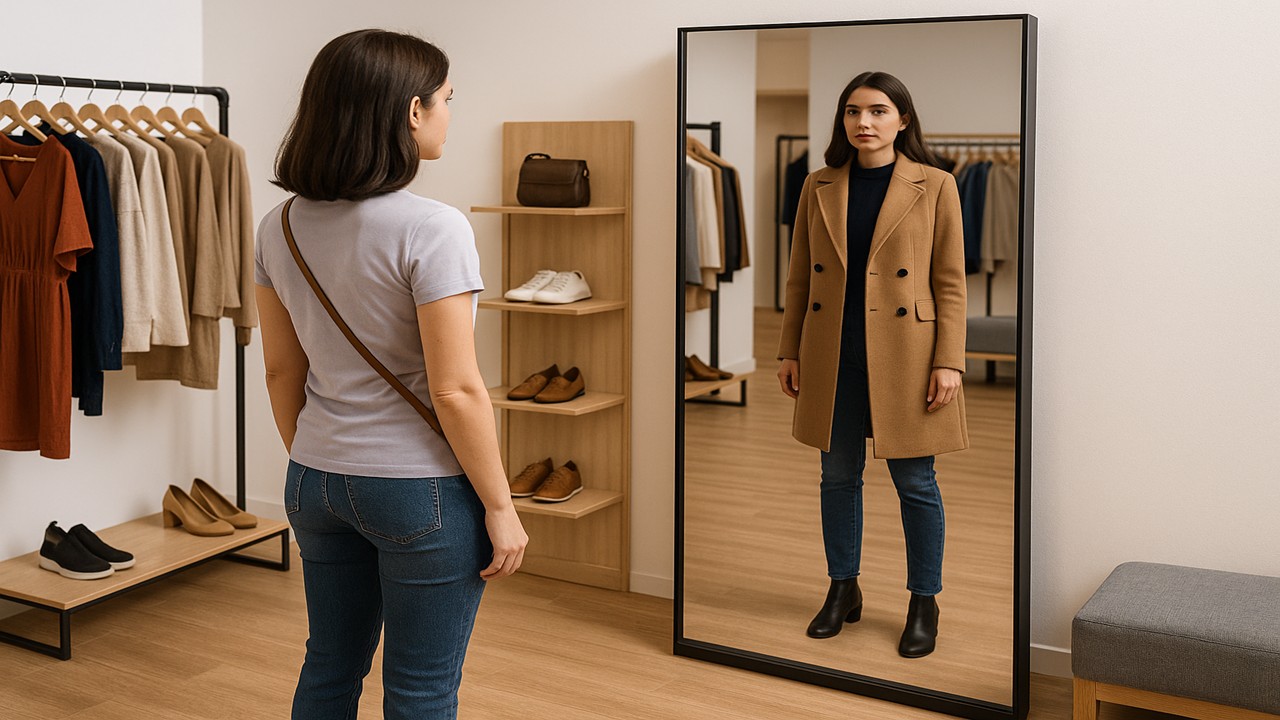
Despite the rise of e-commerce, physical stores continue to play a vital role in shopping behavior. Many shoppers prefer in-person experiences, immediate purchases, easy returns, and social interaction — factors that online retail cannot fully replicate.
3. Retail Closures Are Decreasing
Retail closures — which peaked in 2025 with thousands of shutdowns — are now outnumbered by new openings in many sectors, suggesting stabilization in the industry. In 2026, roughly 300 closures have been announced so far, a much smaller number compared with the more than 4,100 closures seen in 2025.
Broader Trends in the U.S. Retail Landscape
While many new stores are scheduled to open, some traditional department stores and mall anchors continue to struggle:
- Legacy brands like Macy’s are planning store closures and strategic shifts, including repurposing selected locations to focus on high-growth areas and digital integration.
- Other mid-tier fashion retailers are shutting physical locations as they adapt to shifting consumer behavior and online competition.
Despite these challenges, retailers with strong brand positioning, discount pricing models, or innovative store concepts are expanding — creating jobs, boosting local economies, and reinvigorating communities.
Why Retailers Are Expanding Now
Retail leaders and analysts point to several factors behind the expansion trend:
✔️ Consumer Demand Shifts
Consumers, especially value seekers, continue to patronize discount and off-price stores as they manage household budgets. This trend has strengthened foot traffic and sales performance for many expanding brands.
✔️ Strategic Investment in Physical Footprint
Brands are rethinking their physical presence, opening stores in underserved markets, suburban and rural areas, and locations with strong demographic demand.
✔️ Reinforced Local Economies
New store openings are expected to create jobs and stimulate retail ecosystems in many regions, particularly in cities and towns where retail options were limited.
Looking Ahead: What Experts Say
Industry watchers believe that the 2026 retail expansion could lay the groundwork for a more balanced retail environment — one where physical and online presences work together rather than compete head-on.
Retail strategist analysts suggest:
- Stores will increasingly act as experience hubs and fulfillment centers for online orders.
- Retail brands with unique offerings, strong loyalty, and value orientations are better positioned to succeed.
- Cross-channel integration (online + offline) will be a key competitive advantage.
Outcome
The U.S. retail sector is showing signs of revival, with 500+ new store openings planned for 2026 across a range of retail formats. The expansion is being driven largely by discount and value-oriented retailers responding to consumer demand patterns, alongside strategic moves by brands looking to solidify their market presence. While closures continue in some segments, the overall outlook reflects a reshaped and more resilient retail landscape.
Source: Independent analysis based on Business Insider reports and retail sector disclosures