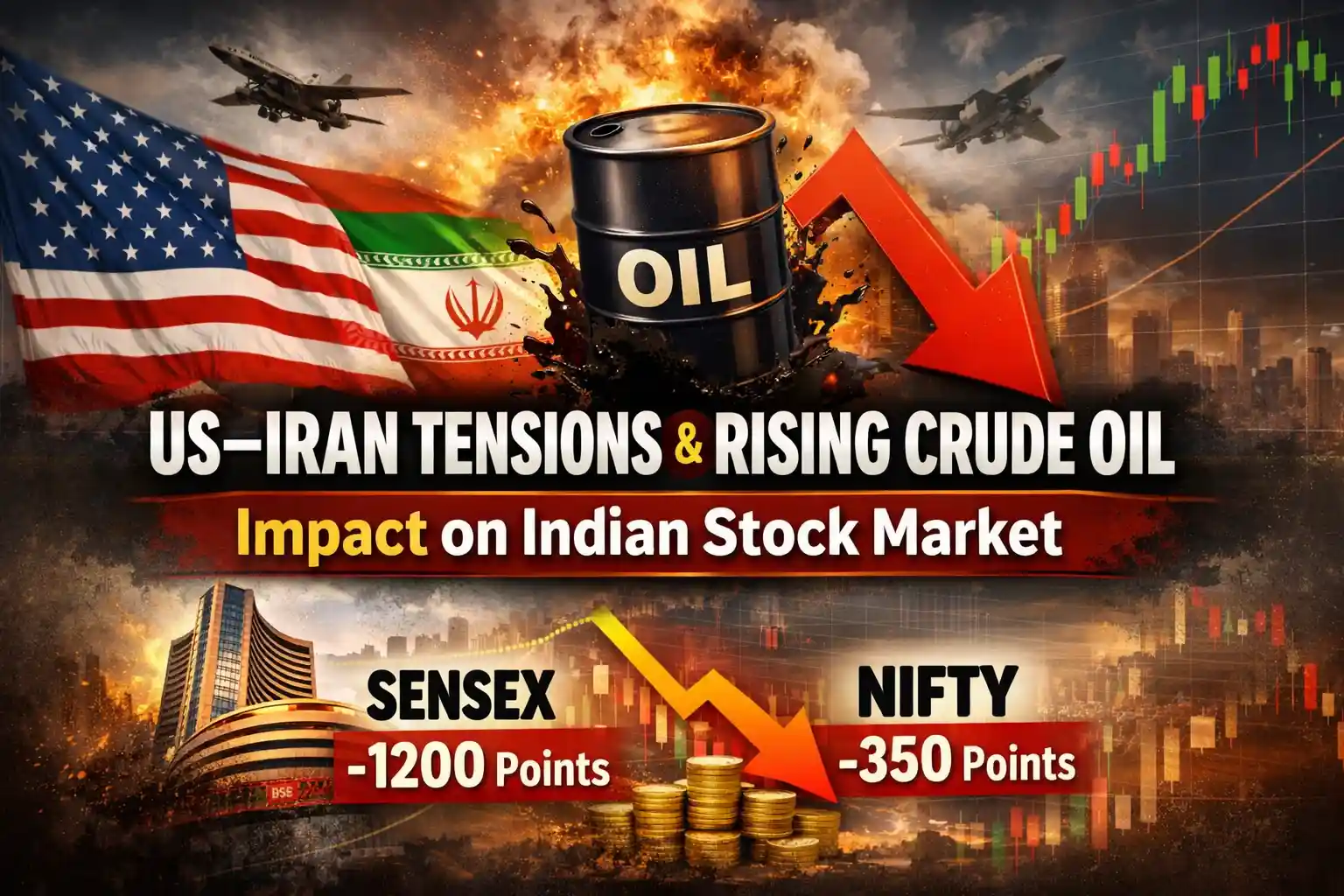
In recent trading sessions, the Indian stock market has witnessed noticeable volatility and selling pressure. Both BSE Sensex and Nifty 50 have corrected sharply, raising concerns among investors.
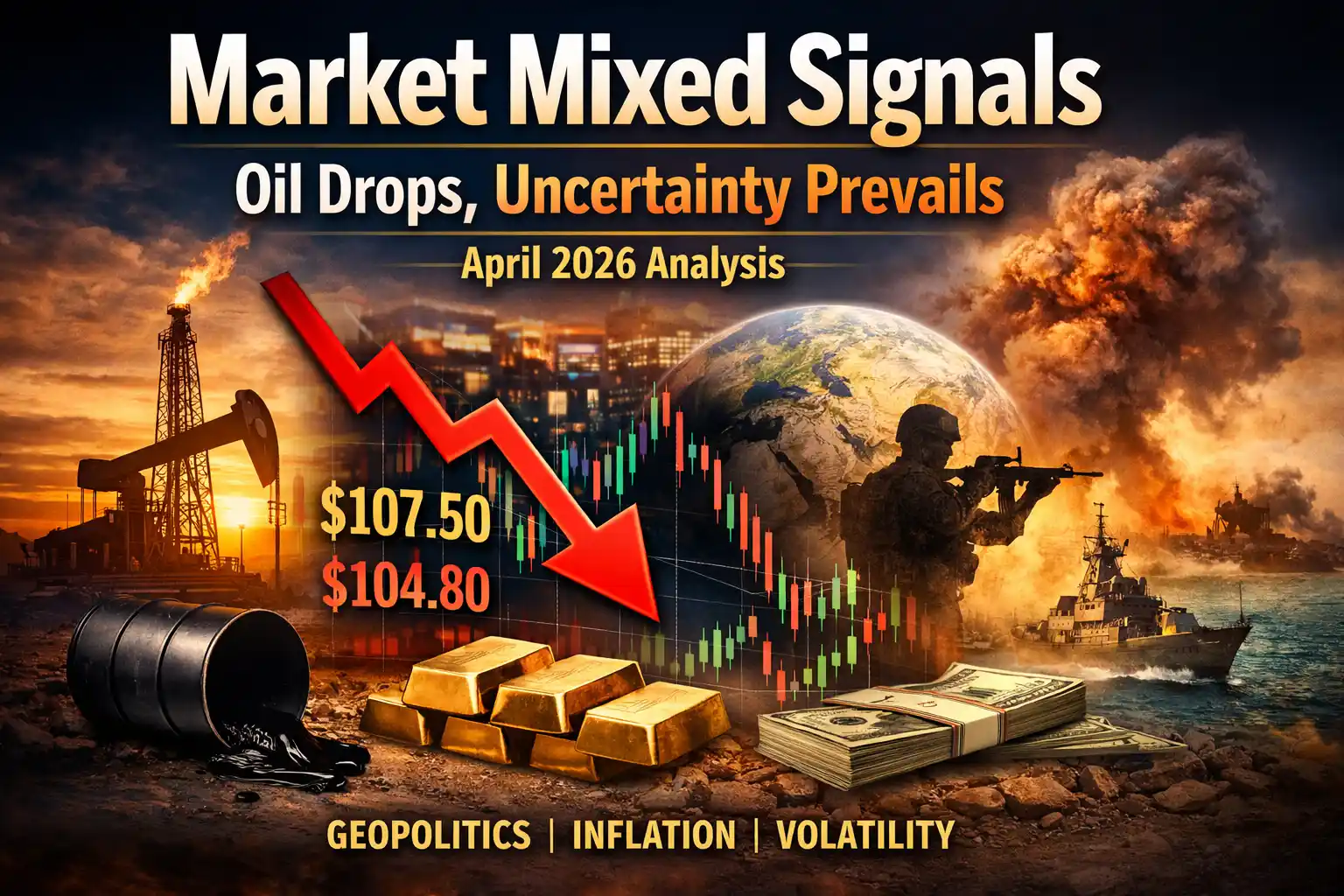
However, this is not a typical profit-booking phase. The primary driver behind the current correction is rising geopolitical tension between United States and Iran, along with a spike in global crude oil prices and increased risk aversion in global markets.
Let’s break down the situation with macro, technical, sectoral, and scenario-based analysis.
Why US–Iran Tensions Matter So Much
The Middle East plays a crucial role in global energy supply. Nearly 20% of the world’s oil passes through the Strait of Hormuz. If tensions escalate:
- Shipping routes could be disrupted
- Oil supply could tighten
- Sanctions could intensify
- Energy costs could spike globally
Markets react quickly to such risks, often before actual disruption occurs.
Crude Oil: The Real Trigger Behind Market Volatility
Currently:
- Brent Crude is trading around $70–72 per barrel
- WTI is near $66–67 per barrel
Brent has climbed toward multi-month highs.
Why This Matters for India
India imports over 80% of its crude oil needs. Rising oil prices mean:
- Higher import bills
- Widening Current Account Deficit
- Pressure on the Indian Rupee
- Rising inflation risks
- Limited room for rate cuts by RBI
Higher inflation expectations typically compress equity valuations.
Is This a Panic Crash or Controlled Correction?
Recent moves:
- Sensex fell nearly 1,000+ points in volatile sessions
- Nifty corrected over 300 points
But important observations:
- No systemic banking stress
- Corporate earnings outlook remains stable
- Volatility has increased but not exploded
This suggests an event-driven correction, not a structural financial crisis.
Volatility & Sentiment Check
- India VIX is around 13–14
A VIX above 20 typically signals panic. Current levels indicate caution, not extreme fear.
Technical Structure – Market Roadmap
Key Nifty Levels:
| Level | Significance |
| 25,200 | Immediate support |
| 25,000 | Strong psychological level |
| 24,700 | Breakdown trigger |
If 25,000 holds → healthy consolidation
If it breaks decisively → deeper correction possible
Scenario Analysis Based on US–Iran Conflict
This is the most critical part.
Scenario 1: Tensions Continue, No Full War (Most Likely)
- Oil stays between $70–75
- Markets remain volatile but stable
- 1–3 weeks of consolidation
Historically, geopolitical fears cause short-term corrections, not long-term crashes.
Scenario 2: Limited Military Action
- Oil spikes to $75–85
- 5–8% correction possible
- Foreign Institutional Investors (FIIs) increase selling
- Volatility lasts 2–4 weeks
If energy supply remains intact, recovery could begin gradually.
Scenario 3: Full-Scale War / Hormuz Disruption
This is the high-impact scenario.
Possible consequences:
- Oil could surge to $90–100
- Sharp inflation spike
- RBI may delay rate cuts
- Heavy FII outflows
- 8–12% correction possible
Recovery could take 1–2 months or longer depending on global response.
Currently, this remains a low-probability but high-risk scenario.
Sector-Wise Impact
IT Sector: Sensitive to global risk sentiment.
Banking: Pressure from FII outflows and risk aversion.
FMCG: Defensive sector — relatively stable during uncertainty.
Oil & Gas (Upstream): Benefit from higher crude prices.
Defence: Typically gains investor interest during geopolitical tensions.
FII & Currency Impact
If tensions escalate:
- FIIs may pull out capital
- US Dollar strengthens
- Indian Rupee weakens
Currency volatility adds another layer of market pressure.
How Long Could This Volatility Last?
| Situation | Expected Duration |
| Only Tensions | 1–3 weeks |
| Limited Conflict | 2–6 weeks |
| Full War | 1–2 months or more |
Based on current data, 1–3 weeks of elevated volatility appears most realistic.
Investor Strategy
For Long-Term Investors:
- Avoid panic selling
- Continue SIPs
- Accumulate quality stocks on dips
For Traders:
- Maintain strict stop-loss
- Monitor crude prices daily
- Avoid heavy overnight leverage
Final Big Picture
This is not a 2008-style financial crisis.
✔ Banking system remains strong
✔ Corporate earnings intact
✔ Correction is geopolitics-driven
✔ Oil is the key variable
If tensions cool → recovery likely
If conflict escalates → deeper but temporary correction possible
Markets hate uncertainty. Once clarity emerges, direction improves.