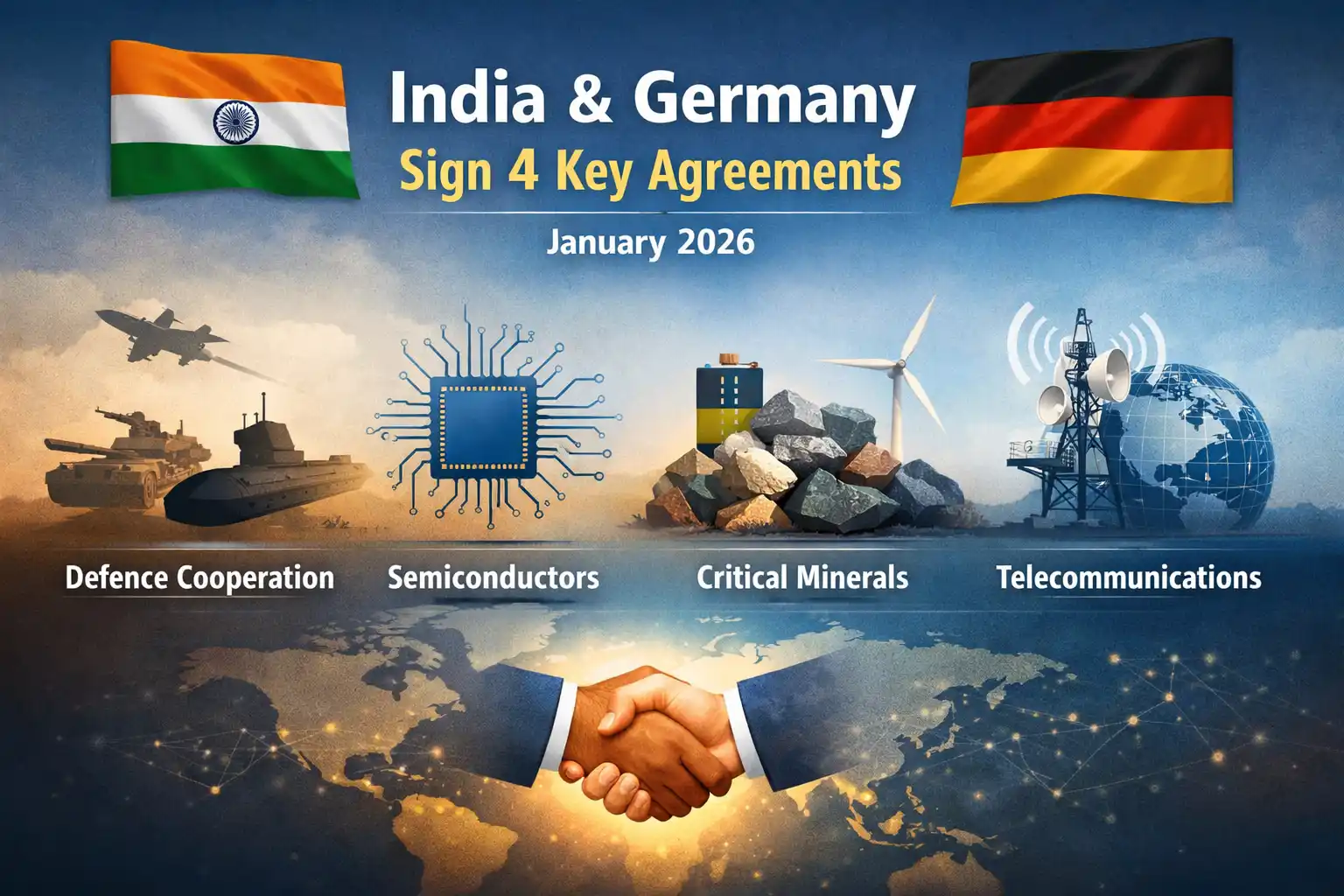
India and Germany on Monday strengthened their strategic partnership by signing four landmark agreements covering defence cooperation, semiconductor technology, critical minerals and telecommunications. The agreements were announced after bilateral talks between Prime Minister Narendra Modi and German Chancellor Friedrich Merz during the latter’s first official visit to India.
The high-level meeting was held in Gandhinagar, Gujarat, and comes at a time when global economies are focusing on secure supply chains, advanced technologies and long-term strategic cooperation.
Defence Industrial Cooperation Takes Centre Stage
One of the most significant outcomes of the meeting was a Joint Declaration of Intent on Defence Industrial Cooperation.
Under this framework, India and Germany will promote long-term collaboration between defence companies, including joint manufacturing, technology sharing and co-development of defence equipment.
The agreement aligns with India’s “Make in India” and self-reliance in defence manufacturing goals and is expected to reduce import dependence while strengthening domestic defence capabilities.
Strategic Partnership in Semiconductors
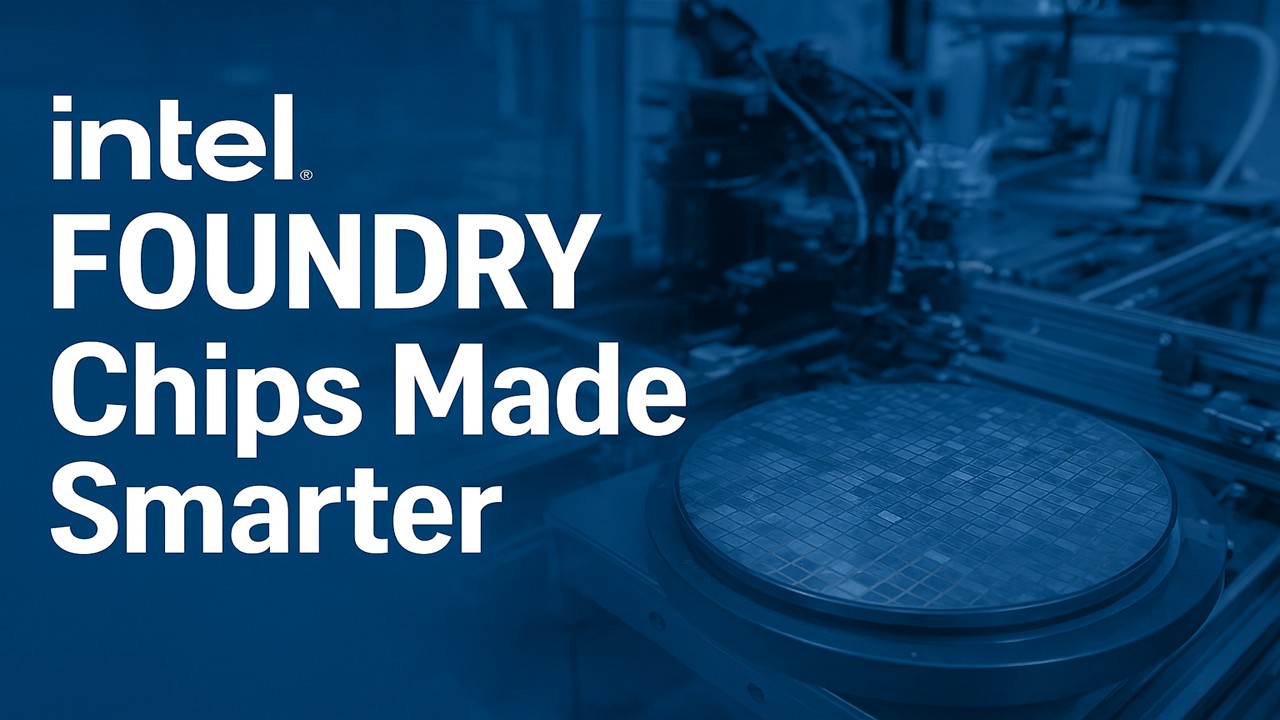
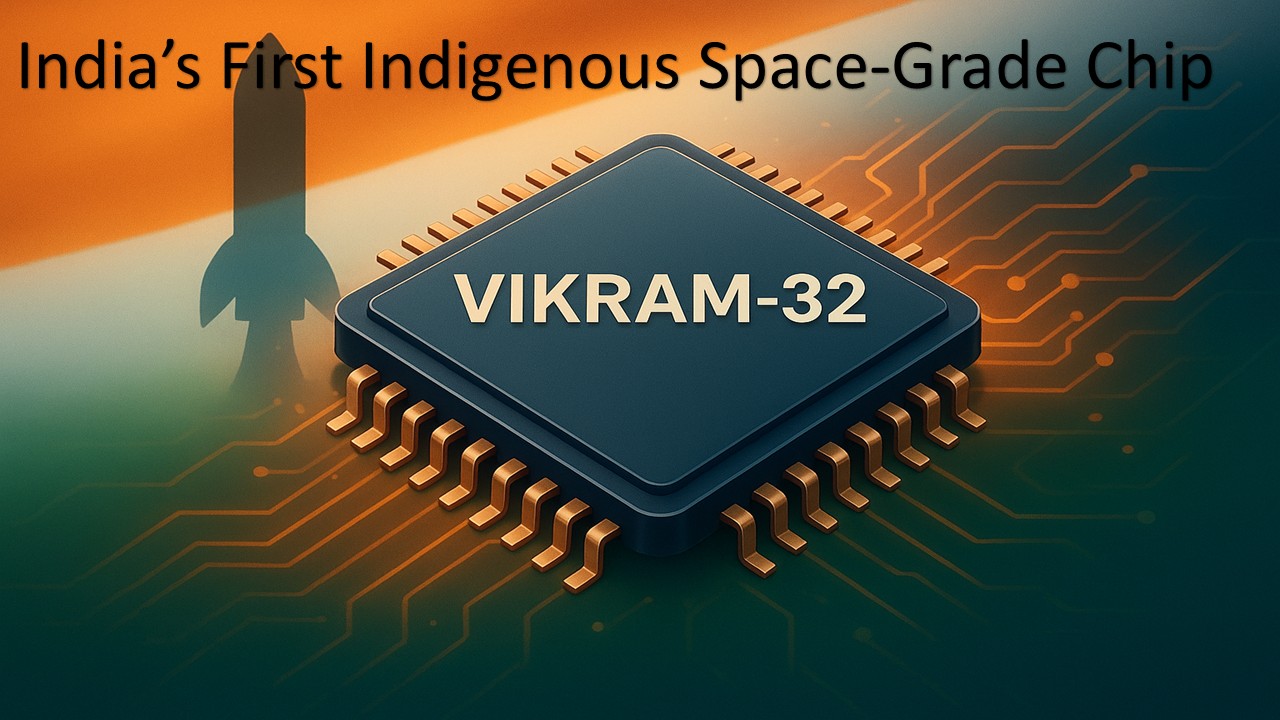
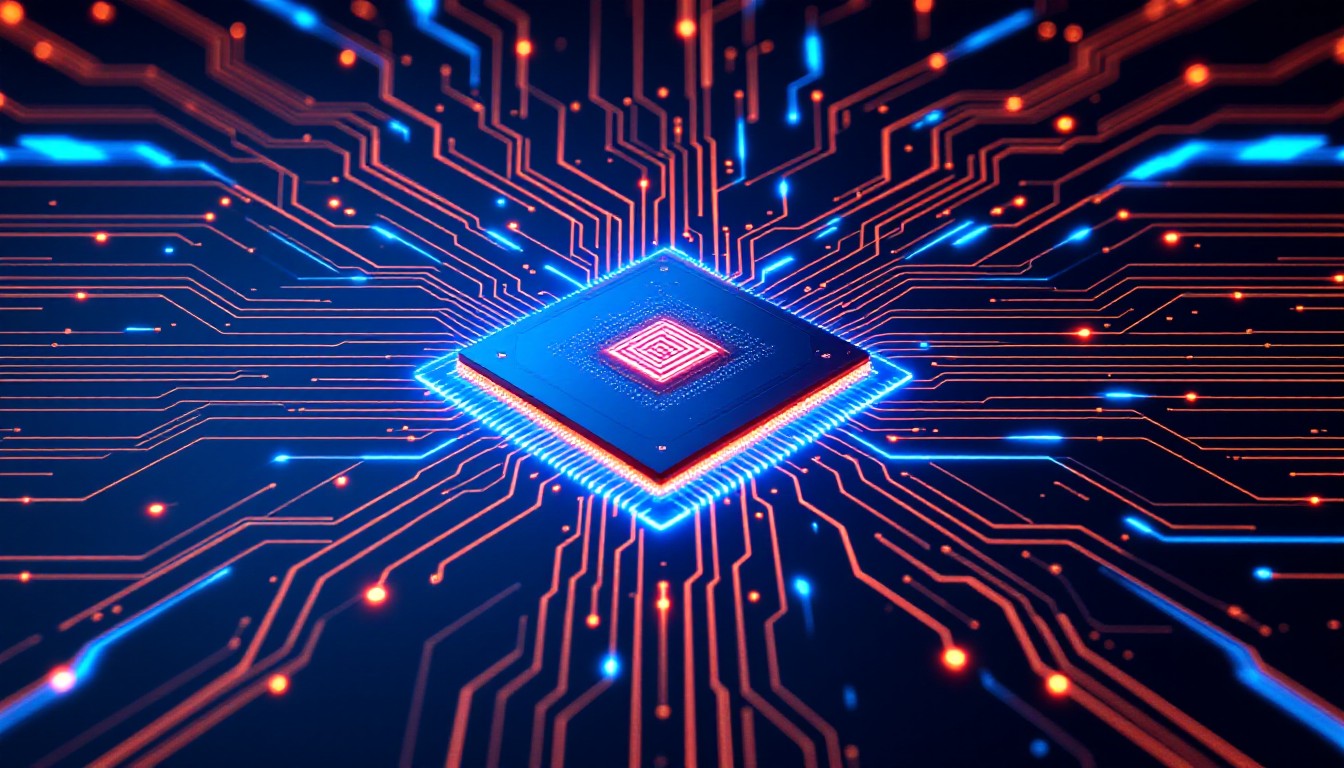
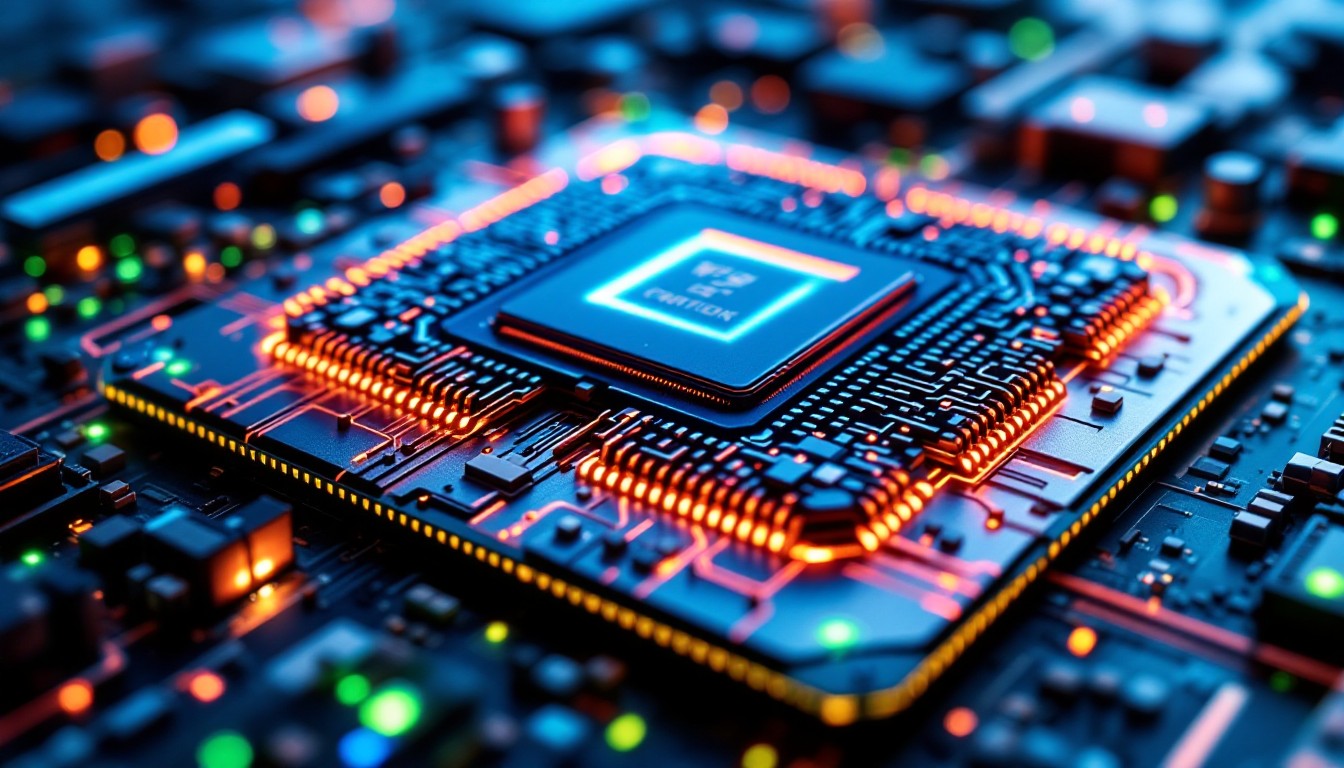
India and Germany also signed an agreement to build a Semiconductor Ecosystem Partnership, recognising the growing importance of semiconductor chips in modern industries such as electronics, automobiles, electric vehicles, defence systems and digital infrastructure.
The partnership aims to:
• Strengthen semiconductor supply chains
• Promote research, innovation and skill development
• Support India’s ambition to become a global semiconductor manufacturing hub
This move is expected to enhance India’s position in the global technology value chain.
Cooperation on Critical Minerals for Future Technologies
Another key agreement focuses on critical minerals, which are essential for clean energy technologies, batteries, electric vehicles and advanced electronics.
Both countries will work together to ensure secure access to minerals such as lithium, cobalt and nickel, while also collaborating on exploration, processing and sustainable use.
The partnership will help reduce supply risks and support long-term industrial growth.
Telecommunications and Digital Technology Collaboration
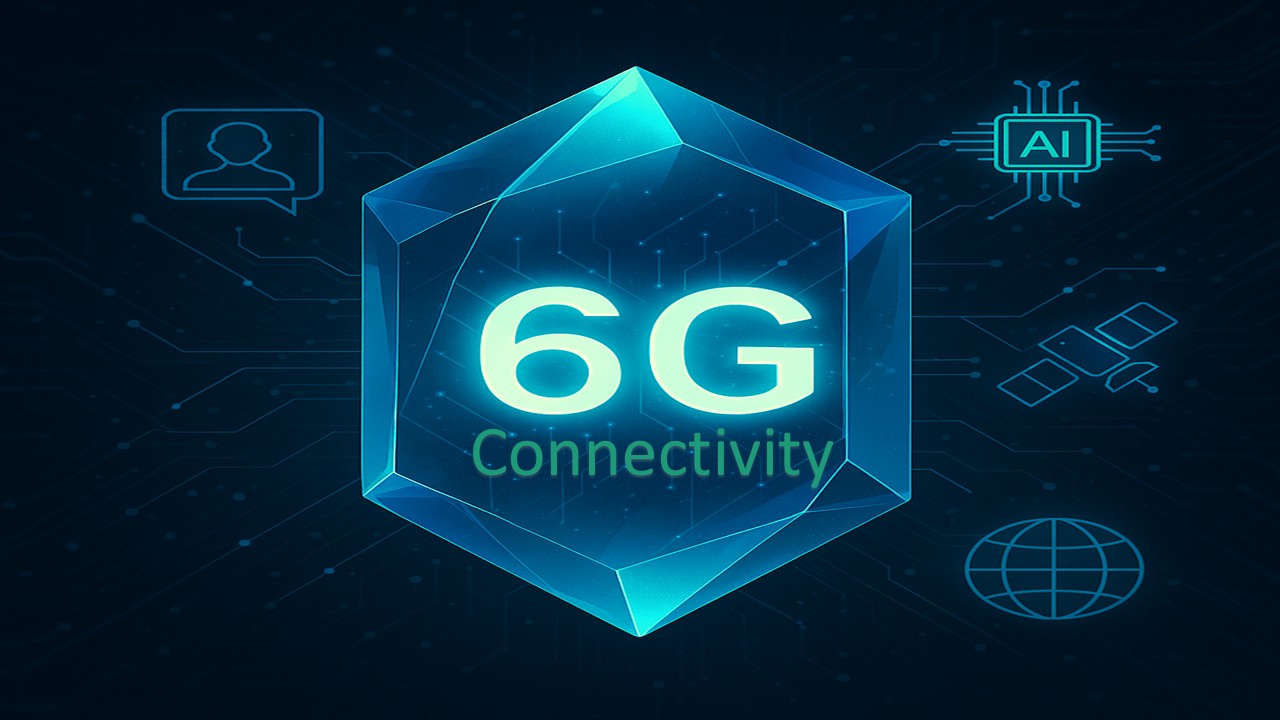
India and Germany agreed to deepen cooperation in the telecommunications and digital sector, including future-ready technologies such as 5G and 6G networks, cyber security and digital governance.
This collaboration is expected to support secure digital infrastructure, improve connectivity and encourage innovation-driven investments in both countries.
Beyond the Four Agreements: Broader Cooperation
In addition to the four major agreements, India and Germany signed a total of 19 Memorandums of Understanding (MoUs) and joint declarations across various sectors.
Key areas of cooperation include:
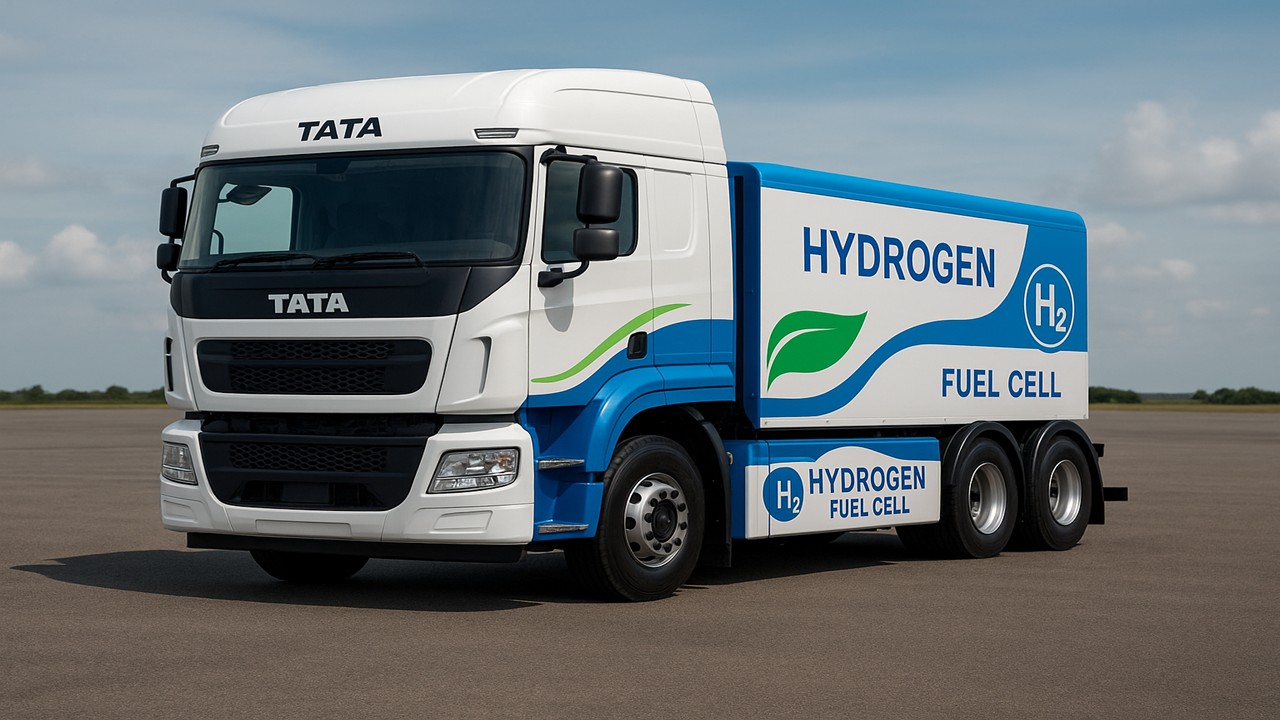
• Clean and green energy, including hydrogen
• Education and skill development
• Healthcare and traditional medicine
• Trade facilitation and investment promotion
The two leaders also agreed to strengthen the India–Germany CEO Forum to enhance business-to-business engagement and accelerate bilateral investments.
Expert View: A Strategic Shift in Bilateral Relations
Policy experts believe the agreements mark a shift from traditional trade-based engagement to a strategic, future-oriented partnership.
The focus on defence manufacturing, advanced technology and resource security reflects shared global challenges and mutual economic interests.
Germany sees India as a stable and reliable partner in Asia, while India views Germany as a key gateway to European technology and markets.
Outcome
The agreements signed on January 12, 2026, underline India and Germany’s commitment to building a long-term strategic partnership based on trust, technology and economic cooperation.
With defence, semiconductors and digital infrastructure at the core, this collaboration is expected to play a crucial role in shaping both countries’ economic and technological future.
Source: India and Germany signed multiple strategic agreements during German Chancellor Friedrich Merz’s visit to India on 12 January 2026, as reported by Times of India and Reuters on this development.