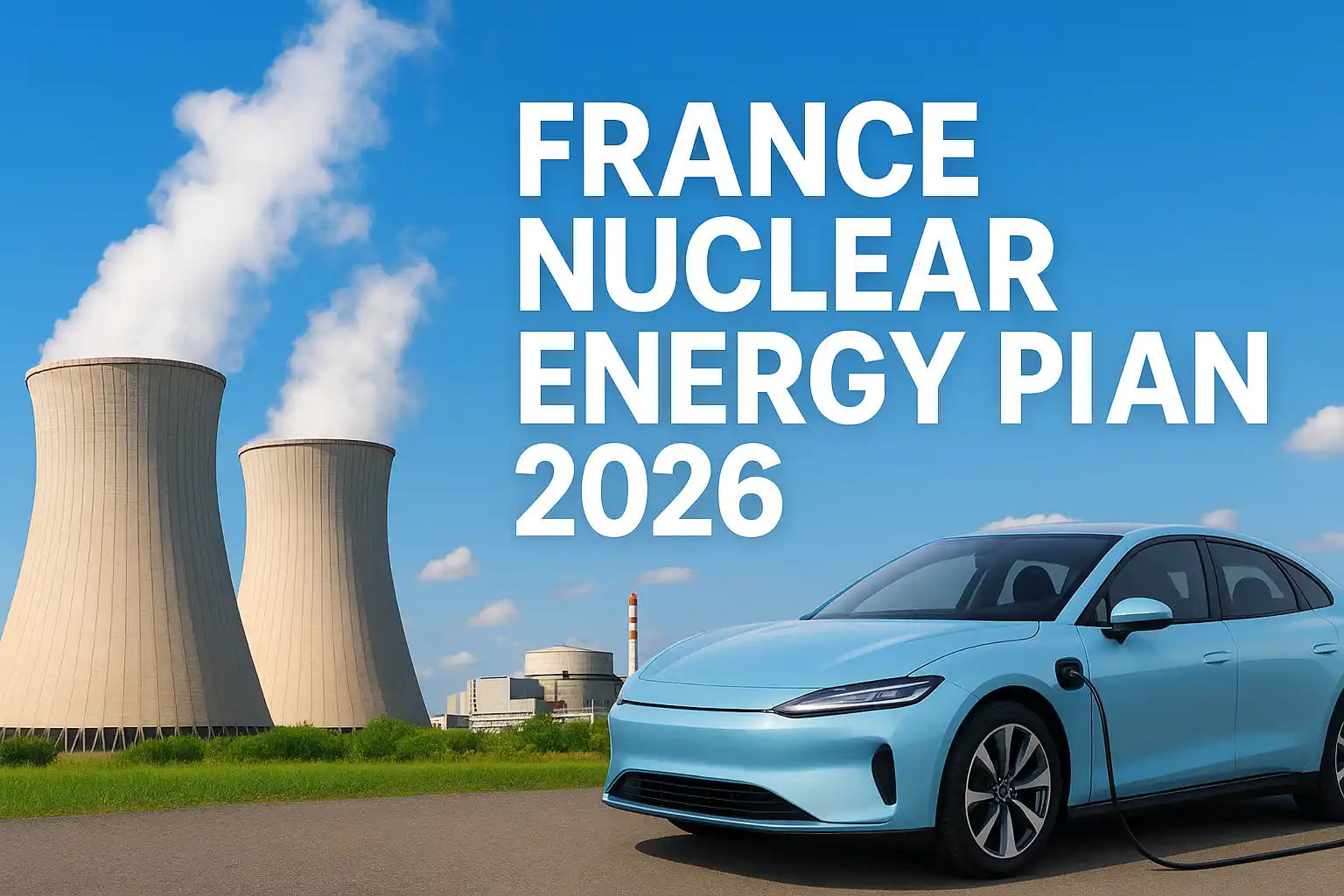
France announced a major shift in its long-term energy strategy, placing nuclear power at the center of its future electricity system.
This policy change is not only about electricity production but also about energy security, climate change goals, industrial growth, power prices, and the transition toward electric vehicles (EVs). The move has sparked debate across Europe, as different countries follow different energy paths.
Below is a complete and easy-to-understand breakdown of France’s updated energy policy.
What Is the Main Objective of the New Energy Policy?
The French government’s energy roadmap focuses on four key goals:
- Reducing dependence on imported oil and gas
- Expanding low-carbon electricity production
- Ensuring stable and affordable electricity supply
- Achieving carbon neutrality by 2050
In simple terms, France needs more electricity in the future, but with much lower pollution.
How Many Nuclear Power Plants Does France Have Today?
France is already one of the world’s largest nuclear power producers.
Current Nuclear Status (2026)
- France operates 56 active nuclear reactors.
- Nuclear power generates around 70% of the country’s electricity, one of the highest shares globally.
- Most reactors were built between the late 1970s and early 1990s.
Because many plants are aging, the government is investing in modernization and life extension rather than shutting them down quickly.
How Many New Nuclear Plants Will Be Built?
Under the new plan:
New Construction Plan
- France plans to build 6 new EPR2 nuclear reactors.
- Construction preparations are expected to begin around 2027–2028.
- The first new reactor is targeted to start operations around 2035.
- All six reactors are expected to become operational between 2035 and 2038.
Possible Future Expansion
The government is also studying the possibility of building up to 8 additional reactors, depending on future electricity demand and technology developments.
What Happens to Existing Nuclear Plants?
Earlier plans suggested shutting down some older reactors, but now:
- Reactor operating lifetimes may be extended from 40 years to 50–60 years, subject to safety upgrades.
- Plants will undergo modernization to improve safety and efficiency.
This means nuclear power production in France is expected to remain stable or even grow slightly in the coming decades.
Why Were Renewable Energy Targets Reduced?
One controversial aspect of the new policy is the reduction in some solar and wind power targets, while nuclear energy gets priority.
Government reasoning:
- Solar and wind depend on weather conditions.
- Large-scale electricity storage remains expensive.
- A system relying only on renewables may face supply risks.
Therefore, France aims for a nuclear + renewable energy mix rather than renewables alone.
Debate Across Europe
Energy policy differences are also visible across the European Union.
- Some countries strongly support renewable energy expansion.
- France considers nuclear power an essential climate solution.
This difference has intensified debates within Europe about the future energy mix.
What Is France’s Plan for Electric Vehicles (EVs)?
The energy strategy is closely connected with transport electrification.
EV-Related Goals
- Gradual phase-out of new petrol and diesel car sales after 2035.
- Financial incentives for EV buyers.
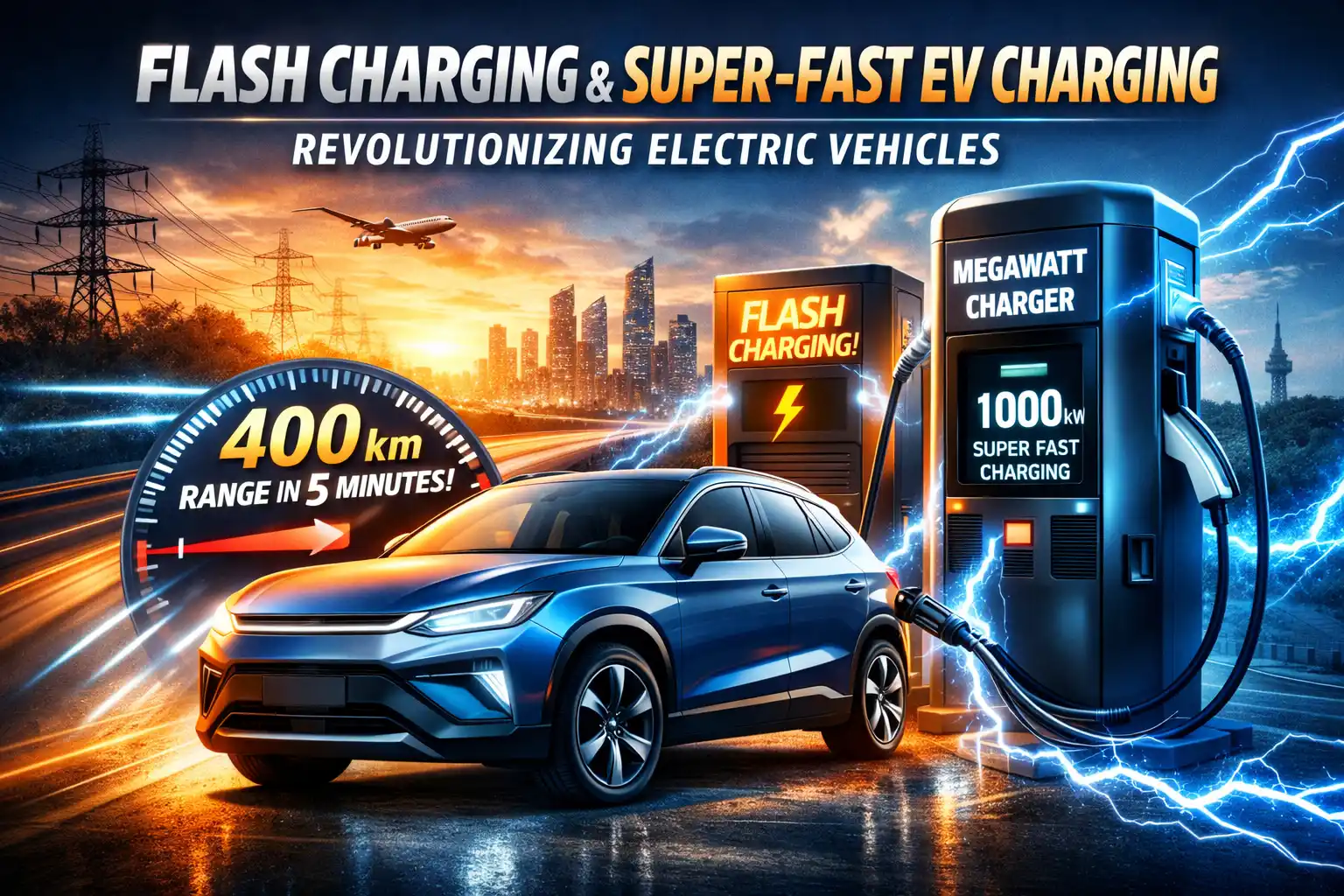
- Rapid expansion of public charging infrastructure.
- Electrification of home heating and transportation.
As transport shifts to electricity, power demand will increase, making reliable electricity generation crucial—one reason nuclear energy is being expanded.
Advantages of France’s Nuclear-Focused Policy
1) Lower Carbon Emissions
Nuclear plants produce electricity with almost no direct CO₂ emissions.
2) Stable Electricity Supply
Unlike solar or wind, nuclear plants operate continuously.
3) Greater Energy Independence
Reduced reliance on imported fossil fuels improves energy security.
4) Industrial and Job Growth
New plant construction and modernization projects create employment and support industry.
5) Supports EV and Electrification Transition
Stable electricity supply helps expand electric transport and heating systems.
Disadvantages and Challenges
1) Nuclear Waste Management
Radioactive waste remains hazardous for long periods and requires secure storage.
2) Accident Risks
Though rare, nuclear accidents can have severe consequences.
3) High Construction Costs and Delays
Building nuclear plants requires heavy investment and long construction timelines.
4) Environmental Opposition
Environmental groups such as Greenpeace argue that investments should focus more on renewable energy instead of nuclear expansion.
Impact on Consumers and Industry
In the coming years:
- Electricity supply may become more stable.
- EV adoption may accelerate.
- Industries may benefit from reliable power.
- Electricity price volatility could reduce.
However, nuclear project costs remain a concern.
What Will Determine Success?
Over the next 10–15 years, key questions include:
- Can new reactors be built on schedule?
- Will renewable energy storage become cheaper?
- How fast will EV adoption grow?
The answers will shape Europe’s energy future.
Outcome
France has taken a bold step by placing nuclear energy at the center of its long-term strategy to reduce fossil fuel dependence and cut carbon emissions.
While the policy could strengthen energy security and support climate goals, challenges related to cost, safety, and nuclear waste remain significant.
The success of this strategy will influence not only France’s future but also the broader direction of energy policy across Europe.
Source: French Government’s Multiannual Energy Programme (PPE3), Ministry of Ecological Transition official website.