By the end of 2025, one thing has become clear: enterprise technology is no longer just a support function. It has moved from the IT department into the core of business strategy. Decisions related to growth, risk management, customer experience, and even survival are now deeply connected to technology choices.
The year 2026 will mark a decisive shift. Enterprises are moving beyond experimentation and pilot projects toward full-scale, outcome-driven adoption of AI, cloud, cybersecurity, automation, and data platforms. Technology will no longer be judged by innovation alone, but by measurable business impact.
This article explores the most important enterprise technology trends of 2026, explaining what they are, why they matter, and how they will reshape businesses across industries.
AI-First Enterprises: Artificial Intelligence Becomes the Core Engine
In 2026, enterprises will stop treating AI as an add-on. Instead, businesses will be designed around AI from the ground up.
Organizations will embed AI into:
- Strategic planning and forecasting
- Risk assessment and compliance
- Customer behavior analysis
- Executive decision dashboards
AI will guide what to do, when to do it, and how to do it. Companies that fail to build AI into their core operations will struggle to compete with faster, data-driven rivals.
Key insight: AI is no longer a tool—it is becoming the decision-making backbone of enterprises.
Autonomous Business Processes: From Automation to Self-Running Systems
Traditional automation follows predefined rules. In 2026, enterprises will adopt autonomous systems that can learn, adapt, and act independently.
Examples include:
- Supply chains that automatically adjust to demand changes
- Pricing systems that react to market conditions in real time
- Finance workflows that approve transactions with minimal human input
These systems reduce delays, errors, and costs while increasing scalability.
Why it matters: Autonomous operations allow businesses to respond instantly to change—something manual systems cannot achieve.
Cybersecurity Becomes a Business Survival Strategy
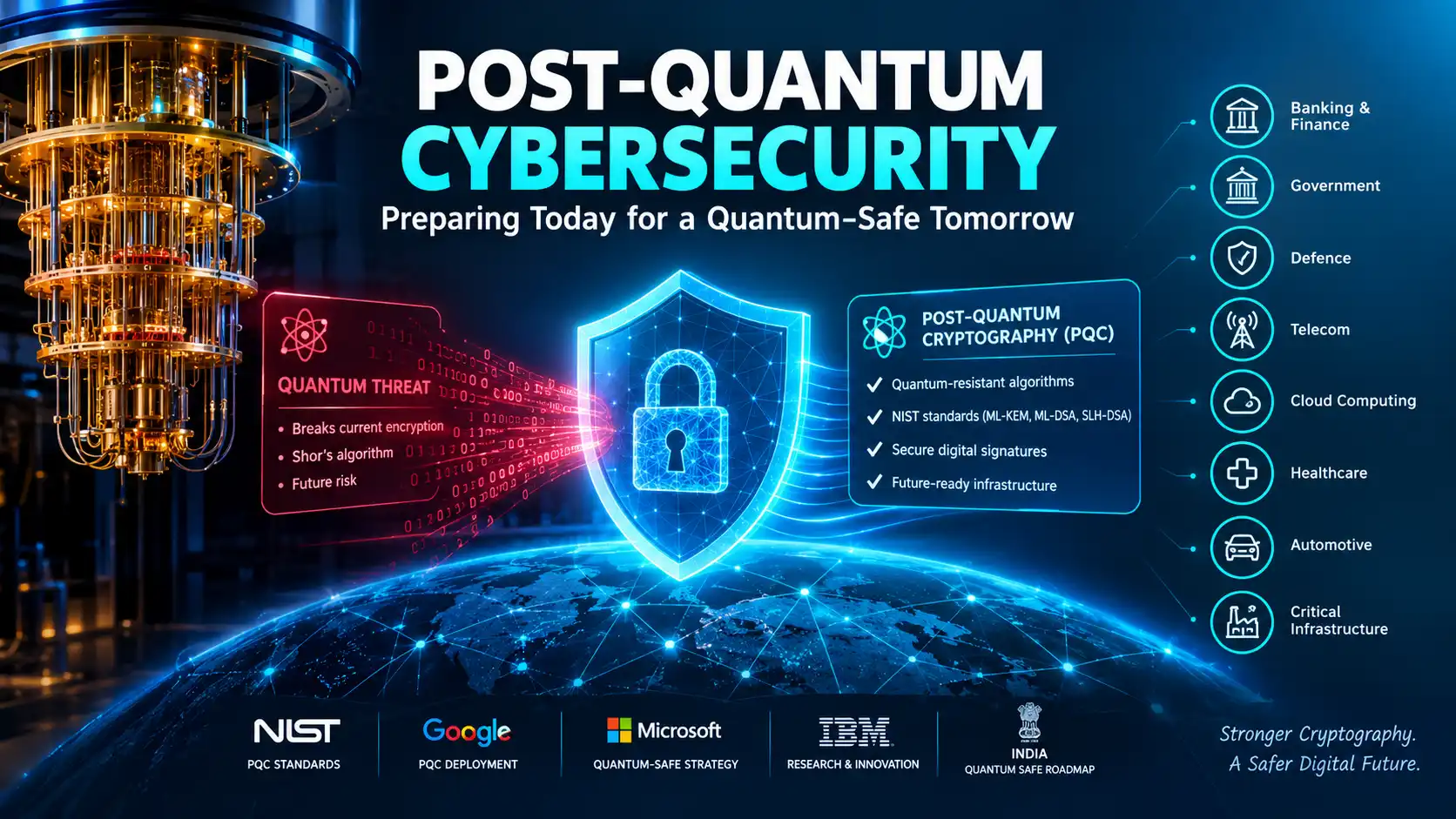
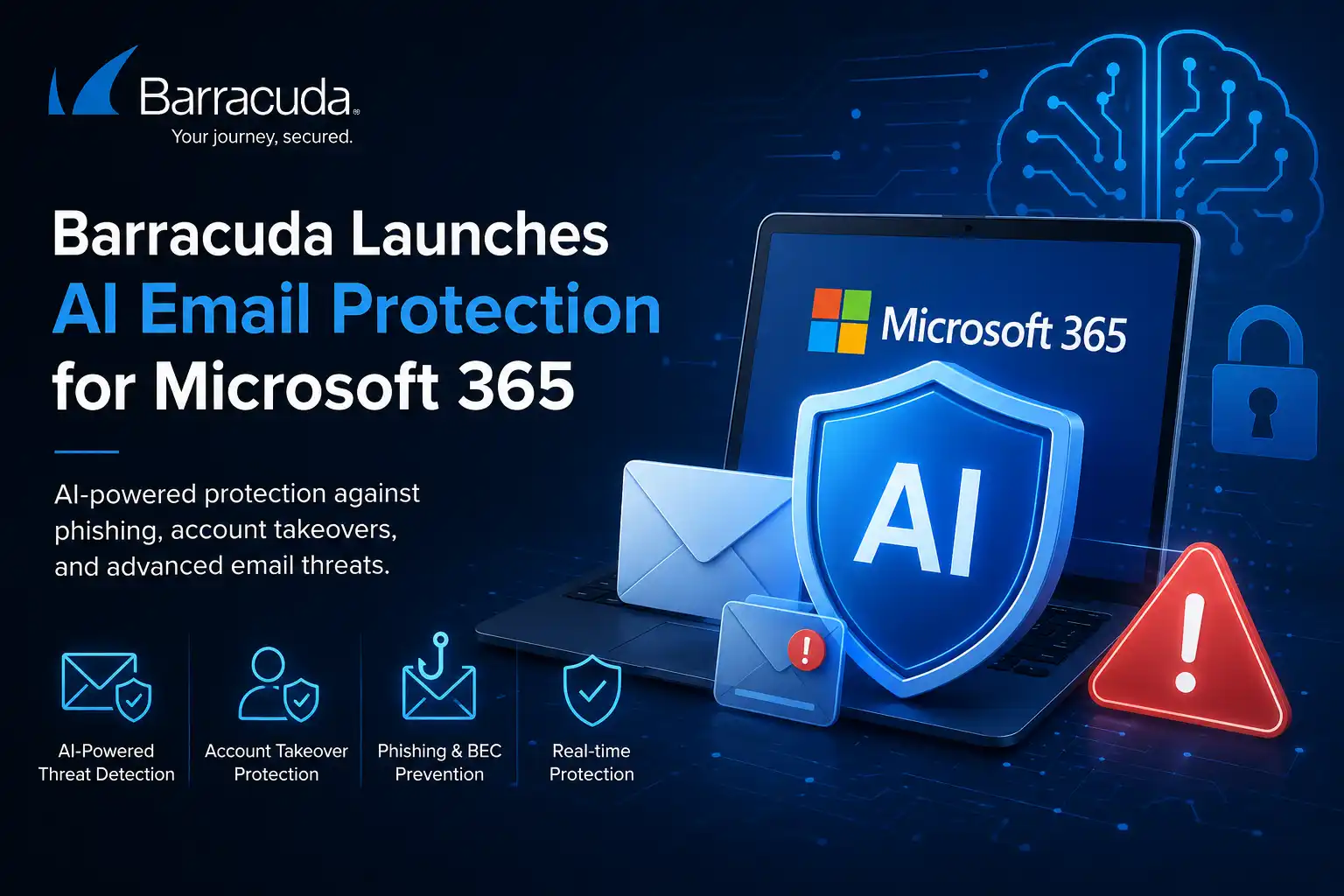
As enterprises rely more on AI, cloud, and connected systems, cyber risks grow exponentially. In 2026, cybersecurity will no longer be treated as an IT expense—it will be viewed as a business continuity requirement.
Key developments include:
- Zero Trust security as the default model
- AI-driven threat detection and response
- Integration of cybersecurity into governance and compliance frameworks
A single breach can disrupt operations, damage reputation, and destroy shareholder value.
Reality check: In 2026, strong cybersecurity will separate resilient companies from vulnerable ones.
Enterprise Software Consolidation and Mega M&A
The enterprise software landscape has become crowded with niche tools. In 2026, companies will prefer integrated platforms over fragmented solutions.
This will drive:
- Major mergers and acquisitions
- Consolidation of ERP, CRM, analytics, AI, and security into unified platforms
- Reduced dependency on multiple vendors
Large technology firms will acquire specialized SaaS companies to offer end-to-end enterprise ecosystems.
Business impact: Fewer vendors, lower complexity, better control, and clearer ROI.
Beyond the Cloud: Hybrid and Sovereign Cloud Models
Public cloud adoption will continue, but not all data will live there. Regulatory pressure and data sovereignty concerns will push enterprises toward hybrid and sovereign cloud models.
Key trends:
- Sensitive data stored within national borders
- Industry-specific cloud environments
- Hybrid architectures combining public, private, and on-premise systems
Sectors like banking, government, healthcare, and defense will lead this shift.
Takeaway: Cloud strategy in 2026 will be about control, not just convenience.
The Real ROI Phase of Generative AI
Between 2024 and 2025, enterprises experimented with Generative AI. In 2026, the focus will shift to return on investment.
Enterprises will:
- Measure AI projects against revenue growth and cost savings
- Shut down AI initiatives that fail to deliver value
- Introduce AI performance audits and KPIs
Only AI solutions that clearly improve profitability or efficiency will survive.
Bottom line: In 2026, AI must justify its cost—or it will be abandoned.
Industry-Specific Enterprise Technology Takes Over
Generic enterprise software is losing relevance. Businesses now demand industry-tailored solutions.
Examples:
- AI platforms designed specifically for banking risk analysis
- Manufacturing ERP systems optimized for predictive maintenance
- Healthcare software focused on compliance and patient data security
Customization will replace one-size-fits-all platforms.
Why this matters: Industry-specific tech delivers faster deployment and better outcomes.
Enterprise Data Governance and AI Regulation
As AI systems gain power, enterprises will face growing regulatory and ethical pressure. In 2026, data governance will become a board-level concern.
Enterprises will implement:
- AI ethics frameworks
- Transparent data usage policies
- Compliance with global regulations (EU, US, India)
Poor governance will lead to legal risks and loss of trust.
Key message: The more powerful AI becomes, the more carefully it must be governed.
Workforce Transformation: Human + AI Collaboration
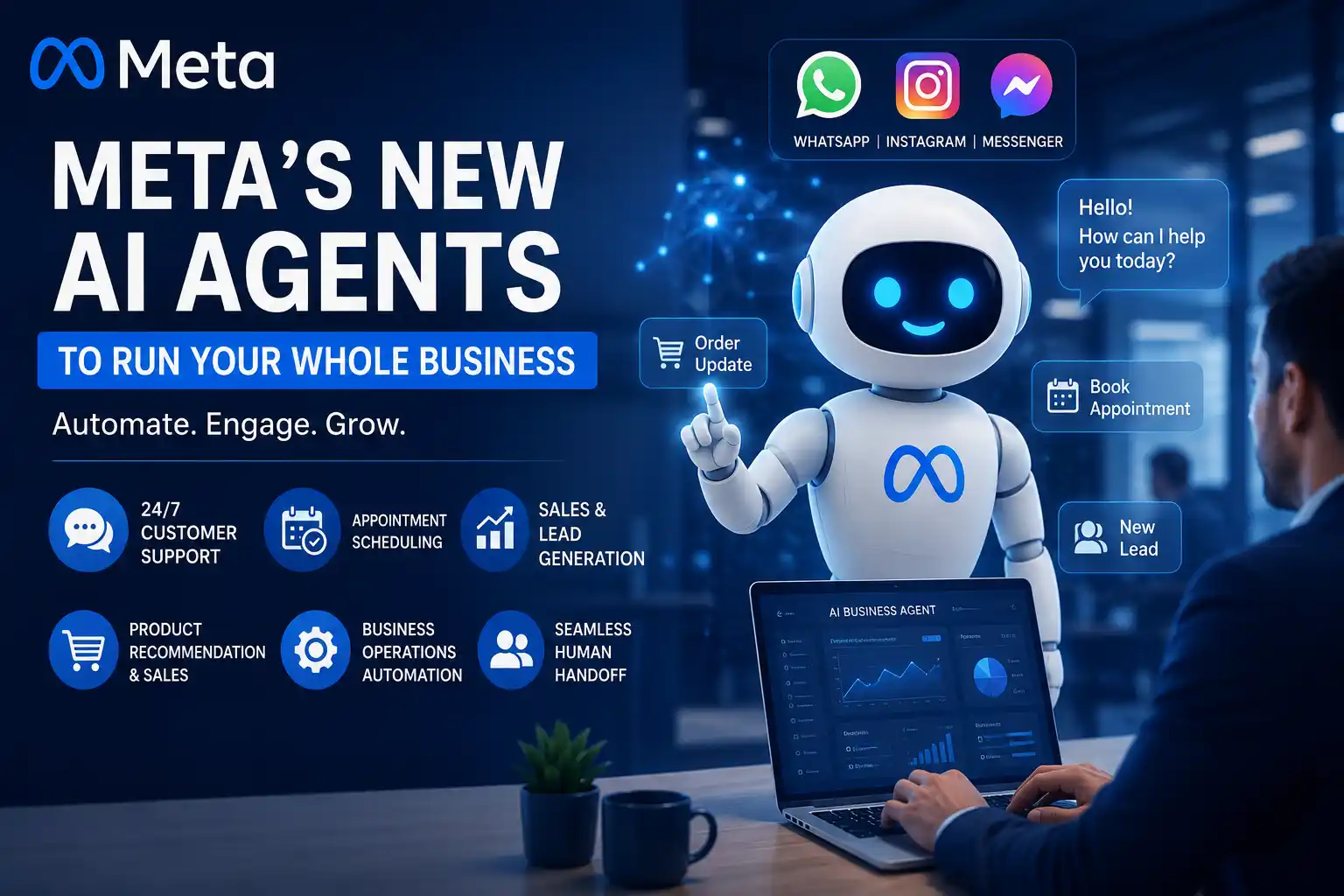
AI will not replace employees—it will reshape how work is done. In 2026, most knowledge workers will operate alongside AI copilots.
This shift includes:
- AI assistants embedded in daily workflows
- Mandatory upskilling and reskilling programs
- AI support for non-technical roles such as HR, sales, and legal
Enterprises that fail to prepare their workforce will face productivity gaps.
New reality: AI will become a colleague, not a competitor.
From CIO to Chief AI Officer: Leadership Redefined
Technology leadership will evolve beyond the CIO role. Many enterprises will introduce Chief AI Officers (CAIOs) to oversee AI strategy, governance, and value creation.
Key changes:
- Technology decisions move to boardrooms
- IT budgets align directly with business growth goals
- AI strategy becomes central to corporate planning
Conclusion: In 2026, technology leadership will define business leadership.
2026 Is Not a Tech Upgrade—It’s a Business Reset
Enterprise technology in 2026 is not about adopting the latest tools. It is about rebuilding businesses around intelligence, security, and data.
Companies that:
- Place AI at the core
- Treat cybersecurity as survival
- Choose cloud strategies wisely
- Govern data responsibly
will lead the next decade.
Those that don’t risk being left behind—not because of technology gaps, but because of strategic blindness.
Source: Analysis based on market research, industry reports, and data from leading technology analysts and global enterprise IT studies.