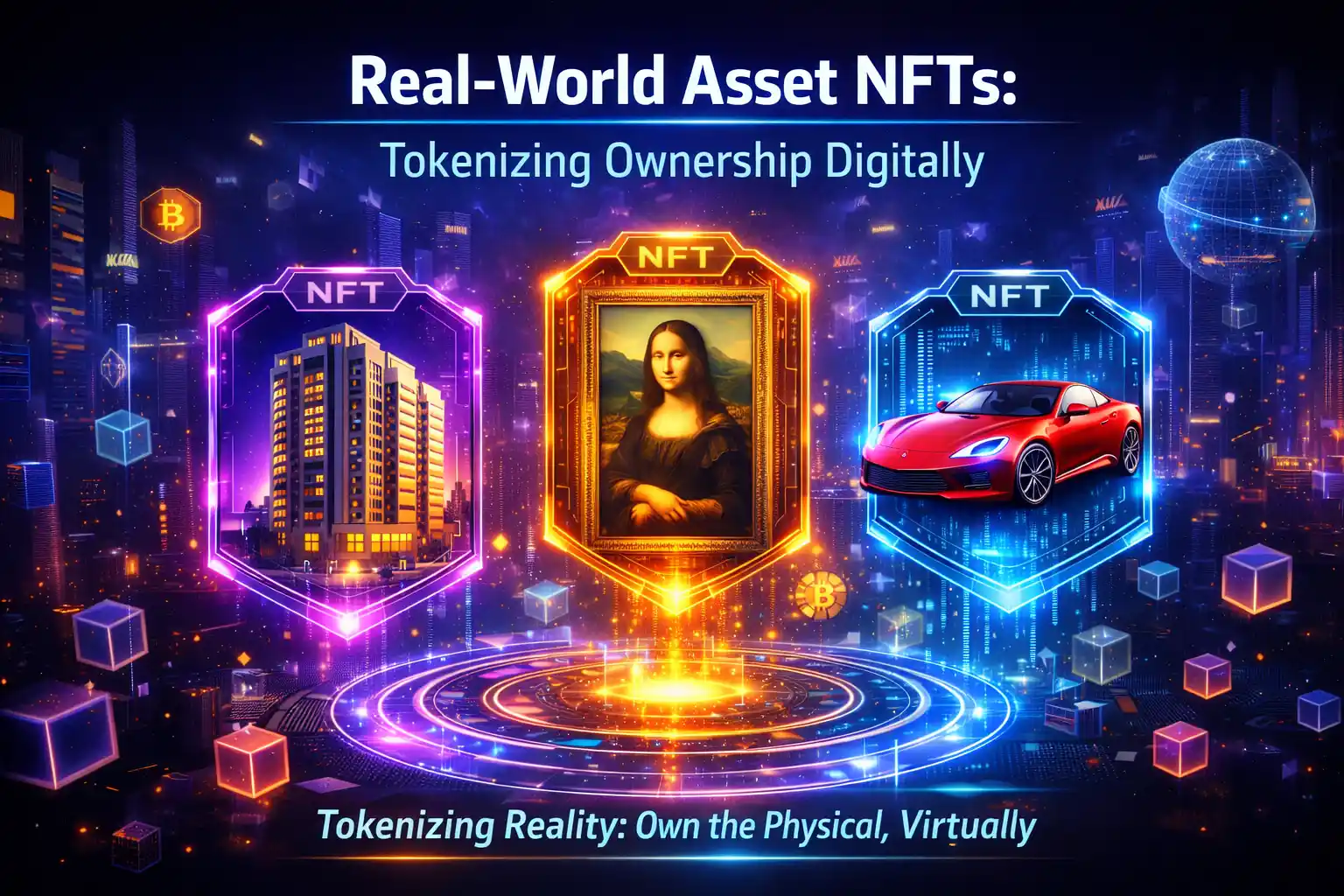
Imagine a world where you can own a luxury apartment in Mumbai, a rare painting in Paris, or an exotic car in London without ever physically touching it.
This is not science fiction—it’s reality, thanks to tokenization of real-world assets through NFTs.
With this technology, you can buy your share, earn profits, and even showcase your assets in the virtual world. It’s redefining the concept of ownership—where real-world assets and digital rights coexist seamlessly.
What is Tokenization?
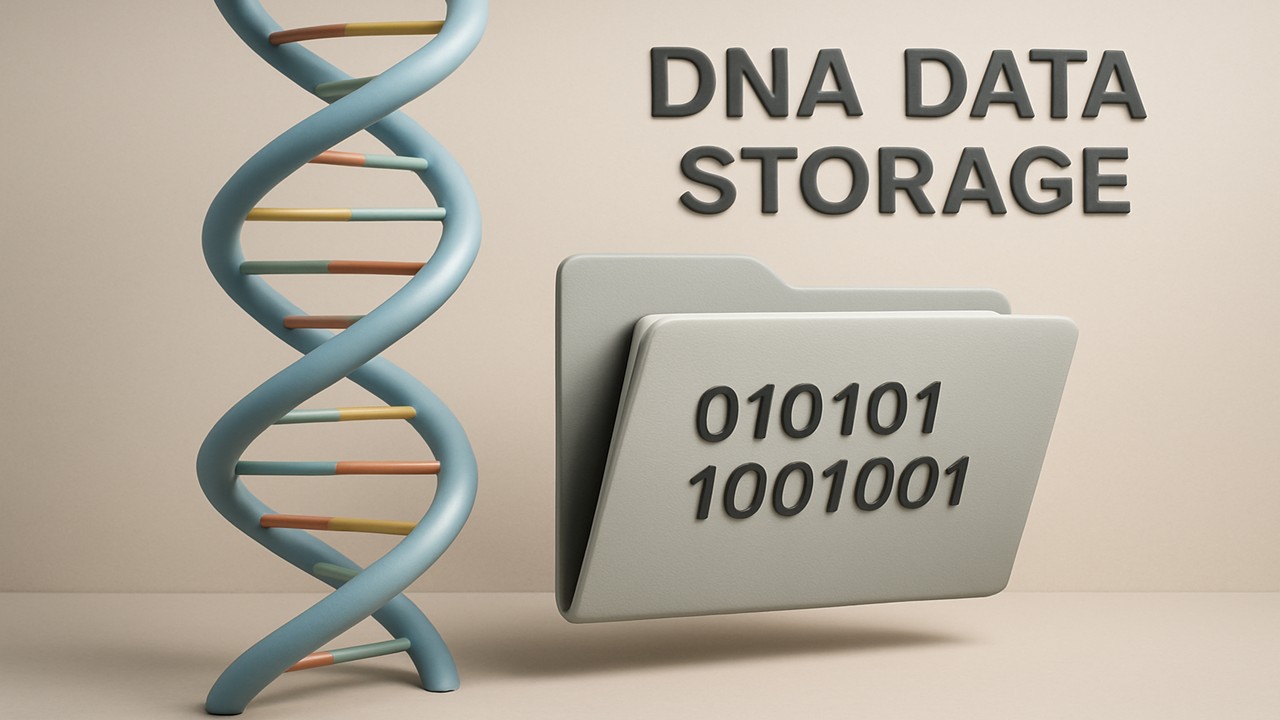
- Tokenization is the process of converting a physical asset into a blockchain-based digital token.
- These tokens are NFTs (Non-Fungible Tokens), providing unique proof of ownership and economic rights.
- Example: An apartment is divided into 10 NFT tokens → each token represents 10% ownership and the right to receive proportional rent/profit.
NFTs and Real-World Assets
- NFTs are digital proof, while the physical asset remains secure with a custodian or property manager.
- Token holders receive:
- Economic benefits proportional to fractional ownership
- Rent or profit share according to their token
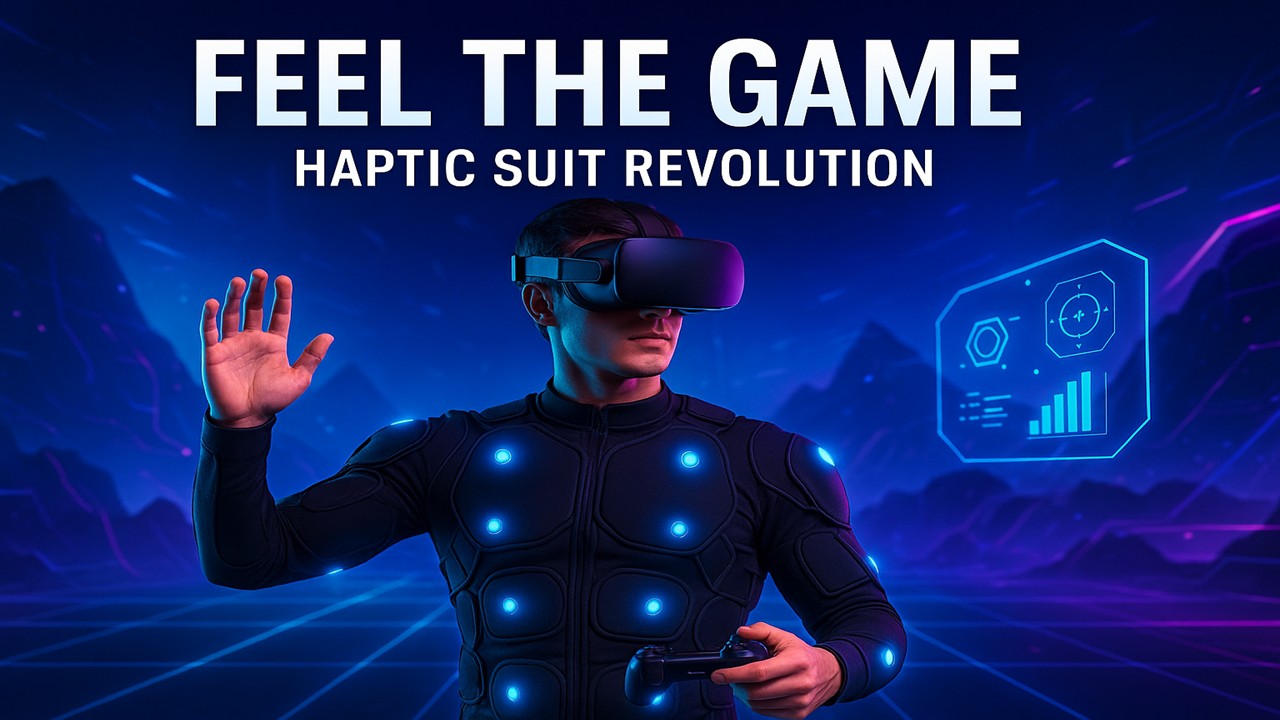
- Rights to display or interact with the asset virtually in the metaverse or VR
Example:
- A $1 million painting → 10,000 NFT tokens
- Each token = $100 + proportional revenue rights
- The painting stays secure in a vault, while NFT holders’ rights are recorded on the blockchain
The Magic of Fractional Ownership
- A single asset can be split into multiple NFT tokens, allowing even small investors to participate in luxury asset ownership.
- Economic rights are proportional → rent or appreciation is distributed automatically
- Decisions (rent, sale, or leasing) are usually made by majority vote
Example:
- Apartment rent = $1,000/month
- Your 10% NFT token → you earn $100/month automatically
Physical Asset Safety
- Fractional NFT holders do not handle physical safety directly.
- Custodian / Property Manager:
- Ensures security, maintenance, insurance
- Follows smart contract rules to distribute profits and rights
- Insurance: Covers fire, theft, and natural disasters
Decision-Making and Voting Rights
- Decisions like leasing or selling the property are typically made by majority NFT holders.
- Minority holders have limited voting power, but their profit share remains guaranteed.
- Smart contracts can also include unanimous consent clauses for certain actions.
Example:
- 10 token holders: 9 want to lease the apartment, 1 opposes → the decision executes based on majority
- You still receive your 10% share of the rent
Advantages of Real-World NFTs
- Liquidity: Illiquid assets become instantly tradeable
- Accessibility: Small investors can invest in high-value assets
- Transparency: Blockchain ensures tamper-proof ownership
- Global Market: NFTs can be bought, sold, and traded worldwide
- Virtual Utility: Assets can be displayed and interacted with in VR/metaverse
Future Outlook
- Within 5–10 years, real-world asset NFTs will become mainstream
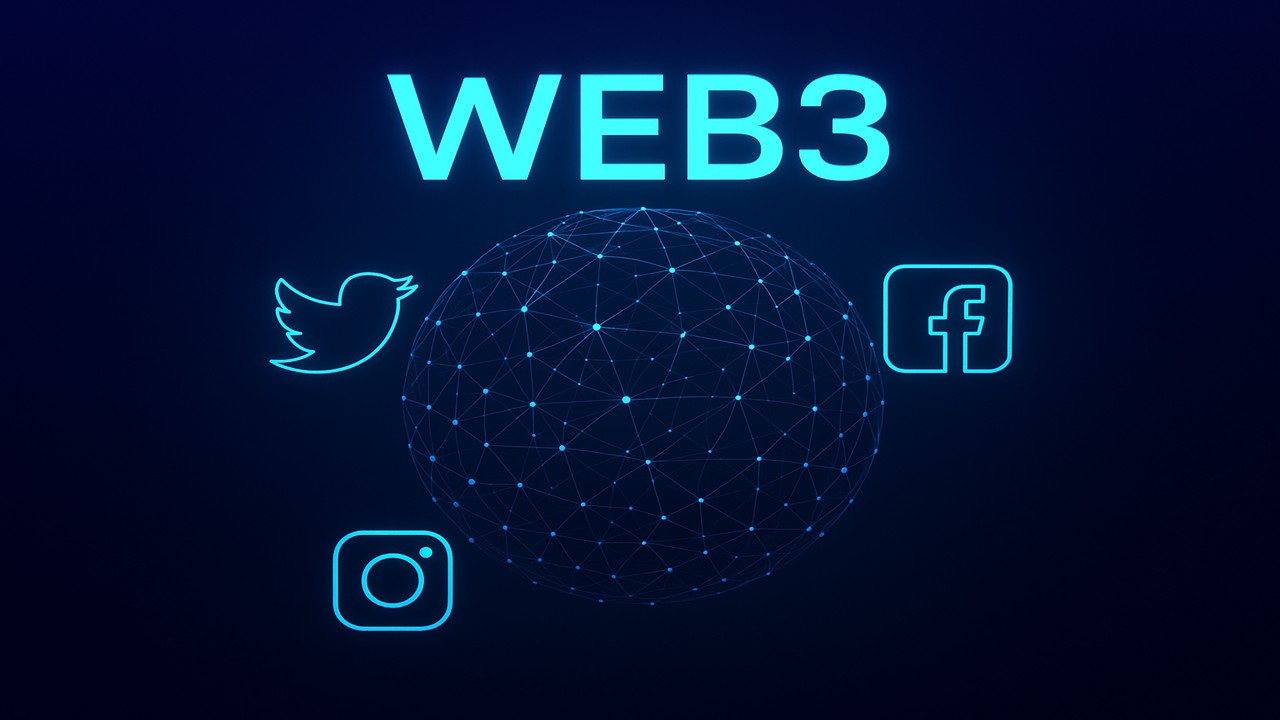
- Growth of the metaverse and Web3 → expansion of fractional ownership and digital asset economy
- Investors gain alternative investment opportunities
- Integration of real and virtual worlds creates a new era of ownership and interaction
Example:
- Apartment value rises from $100,000 to $120,000 → your 10% NFT token value increases proportionally
- Rent revenue and virtual interaction benefits continue
A New Era of Ownership
We are stepping into a new world where physical assets and digital rights coexist.
With fractional NFTs, you can invest, trade, and enjoy luxury assets without the stress of physical possession.
This is not just a financial innovation—it’s the future of ownership, where real-world assets are experienced and monetized digitally.