हिंदी में पढ़ने के लिए मेनू बार से हिंदी भाषा चयन करें।
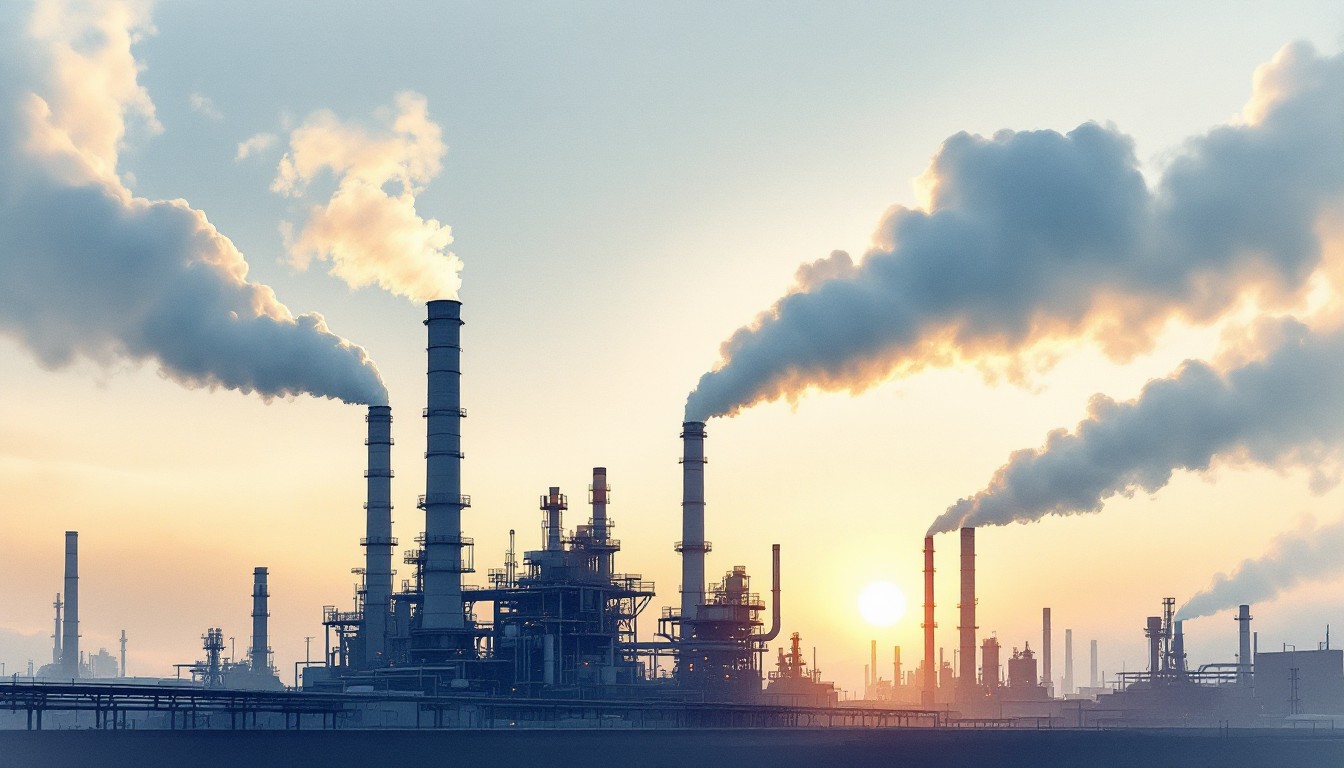
We often hear a common argument: “Pollution is a natural by-product of development.” History seems to support this idea — Europe, the United States, and China all polluted heavily during their growth phases, became wealthy, and only later invested in cleaning up their environment.
But the real question is:
What happens when pollution exists without meaningful economic growth?
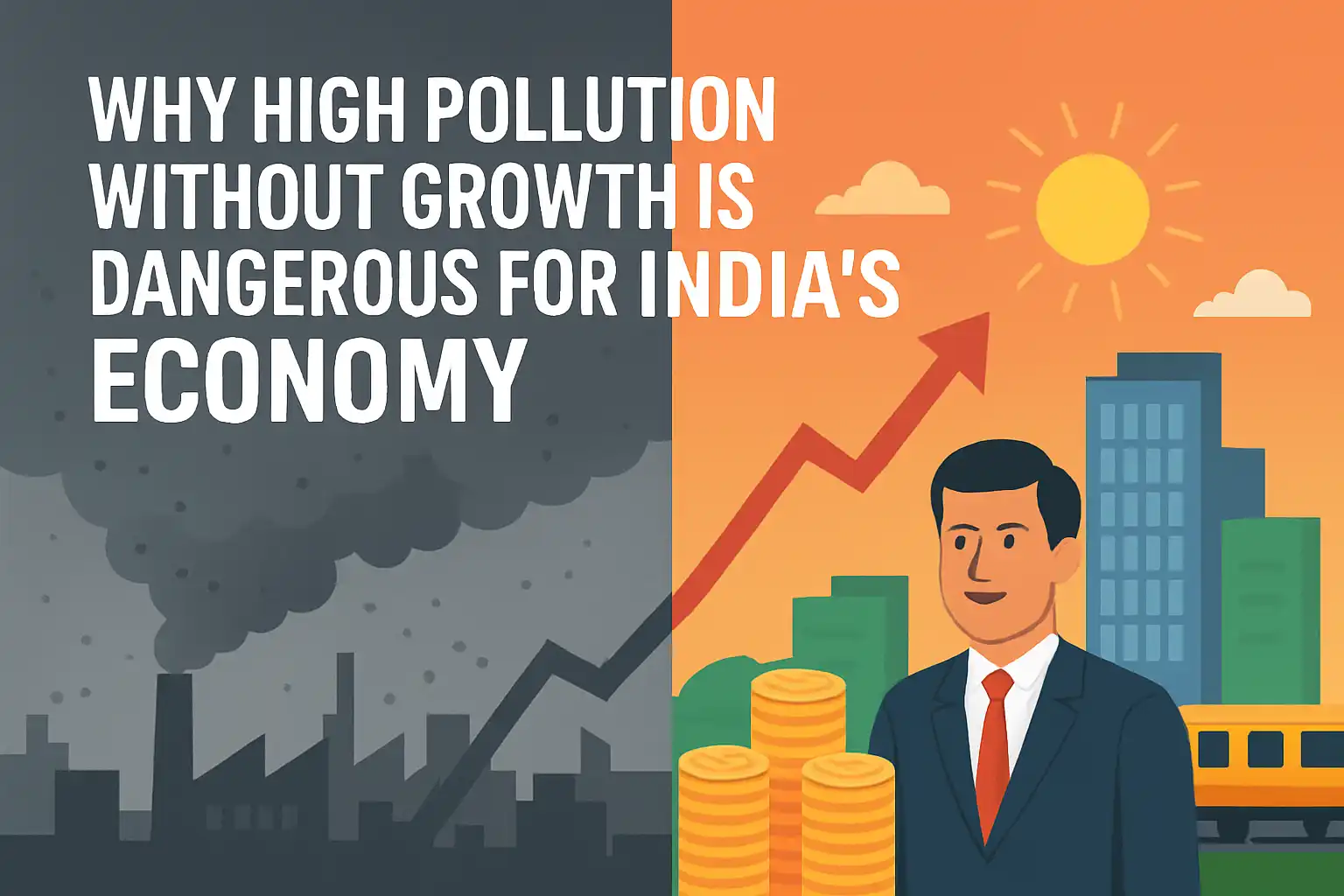
This is where India stands today — pollution levels are extremely high, yet productivity, income levels, and manufacturing strength are not growing at the same pace. This makes pollution not just an environmental issue, but a serious economic problem.
In this article, we will explore:
- The real economic logic behind pollution and growth
- Why India’s situation is different from other countries
- Why pollution control has become an economic necessity, not a choice
The Basic Economic Logic of Pollution and Growth
Economics follows a simple rule:
- If pollution is happening, it must create economic value
- If value is created, future income can be used to control pollution
A Healthy Model:
Pollution → Factories / Infrastructure → Jobs → Income → Pollution Control
A Dangerous Model:
Pollution → Health Damage → Productivity Loss → Slower Growth → Weak Economy
The real danger arises when a country gets stuck in the second model.
When Pollution Is an Investment in Growth (China’s Example)
Between 2000 and 2015, China:
- Expanded heavy manufacturing
- Became the factory of the world
- Built massive infrastructure
- Boosted exports sharply
Yes, pollution was severe — but so was economic growth:
- GDP grew at double-digit rates
- Government revenues surged
The Result:
China later invested heavily in:
- Renewable energy
- Electric vehicles
- Strict environmental regulations
Pollution was a temporary cost, not a permanent economic loss.
India’s Case: High Pollution, Low Productivity
India’s major sources of pollution include:
- Traffic congestion
- Old diesel vehicles
- Coal-based power plants
- Construction dust
- Crop residue burning
The Core Problem
These activities:
- Generate extremely high pollution
- But create low economic value
This means India’s pollution is not productive pollution, but rather:
“Waste pollution”
Unproductive Pollution: A Red Flag for the Economy 🚨
Unproductive pollution means:
- High emissions
- Low exports
- Weak income growth
- Poor productivity
Economic Impact:
- Workers fall sick more often
- Healthcare costs rise
- Savings and investments decline
👉 The country pays the cost of pollution without receiving economic benefits.
Health Damage: The Hidden Economic Loss
High pollution directly leads to:
- Respiratory diseases
- Heart problems
- Reduced cognitive development in children
Economic Consequences:
- More sick leaves
- Lower efficiency at work
- Higher government spending on healthcare
👉 Over time, GDP growth slows automatically.
Pollution Control Does NOT Slow Growth (Myth vs Reality)
A common myth:
“Strict pollution rules will slow economic growth.”
Reality:
- Solar and wind energy provide cheaper electricity
- EV ecosystems create new industries and jobs
- Waste management generates employment
- Clean technology opens export opportunities
Pollution control itself can become a powerful growth engine.
What Happens If India Ignores Pollution Control?
Potential risks include:
- Foreign companies relocating to cleaner countries
- Rising talent migration
- Healthcare costs consuming a larger share of GDP
- Falling into the middle-income trap
👉 Growth may continue, but it will be fragile and unsustainable.
The Right Path Forward for India
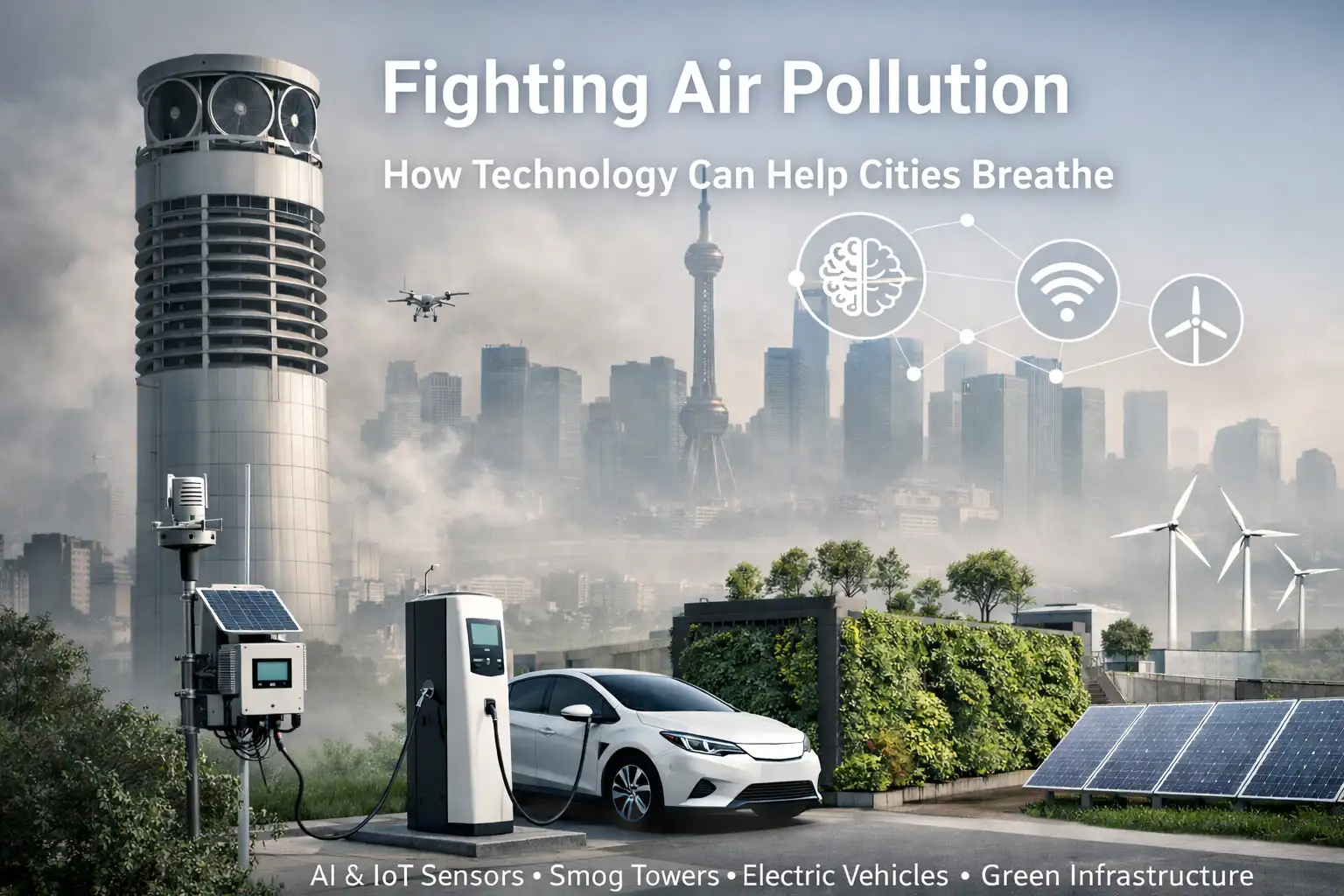
India must focus on:
- Clean and efficient manufacturing
- Strong public transport systems
- Rapid renewable energy adoption
- Strict enforcement of pollution norms
- Better urban planning
The real goal should be:
“Creating more economic value with less pollution.”
Pollution Is a Cost — Acceptable Only When It Is an Investment
Pollution by itself is not the real problem. The real problem arises when pollution produces only losses.
If pollution leads to:
- Jobs
- Rising incomes
- Capital for future development
then a country can later afford to control and reverse that pollution.
But when pollution exists with weak growth and poor health outcomes, the economy slowly erodes from within.
👉 For India, pollution control is no longer just an environmental issue — it is a question of economic survival.
And the countries that understand this today will be the true winners of tomorrow.