Introduction
Over the last few years, the world has witnessed a massive shift in how people make payments—whether it’s online shopping, cross-border money transfers, digital wallets, or instant bank payments. However, global payment systems are still far from perfect. Many countries face challenges such as slow cross-border remittances, high fees, lack of access to digital banking, and limited financial literacy.
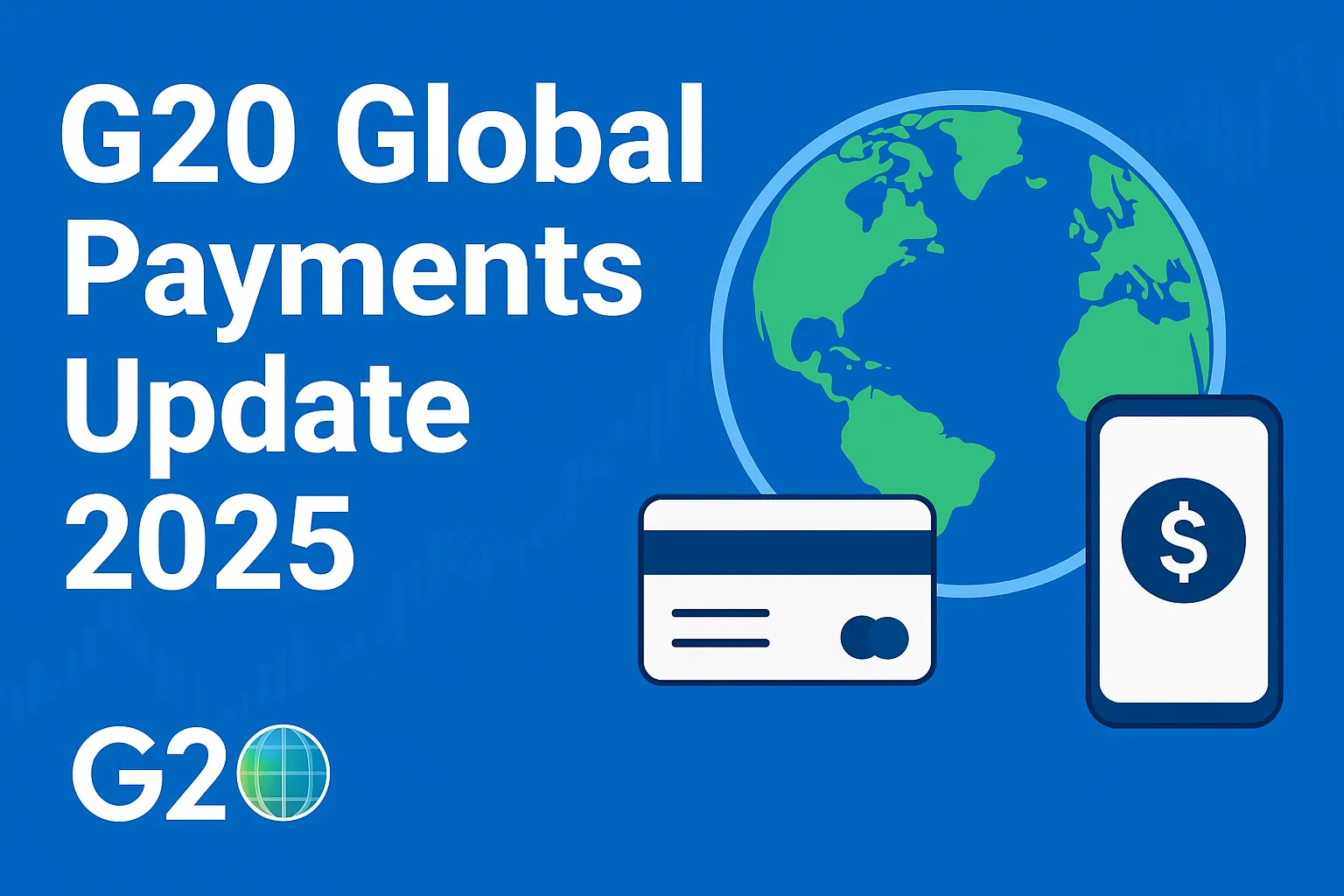
To solve these issues, the G20 (Group of Twenty)—which includes the world’s largest economies—has placed a strong focus on innovation, interoperability, and financial inclusion. Their aim is simple: build a global payments ecosystem that is fast, secure, affordable, and accessible to everyone, especially the underserved population.
This article explains the G20’s vision and progress as of November 2025, including the latest updates on cross-border payments, fees, crypto regulation, and challenges in Africa and Asia.
Understanding the G20’s Payment Vision
The G20’s agenda focuses on building a modern payment ecosystem by improving:
- Speed of payments
- Security against fraud
- Interoperability between countries
- Cost reduction for cross-border transfers
- Financial inclusion for unbanked and underbanked people
The idea is to make global payments function as smoothly as sending a text message.
Latest update (Nov 2025):
- FSB’s Oct 2025 report notes that while policy frameworks are mostly implemented, real end-user improvements remain limited.
- Some targets, such as reducing cross-border remittance costs below 3%, are progressing slowly.
Making Cross-Border Payments Faster and Cheaper
Current issues
- International transfers still take 1–3 days in many countries
- High fees, especially for migrant workers
- Lack of transparency: people don’t always know when money will arrive
G20 solution
The G20 is working on a Cross-Border Payments Roadmap in collaboration with:
- IMF
- World Bank
- BIS (Bank for International Settlements)
- Central banks of G20 nations
Latest update (Nov 2025):
- Wise report (Oct 2025) warns that global users may still lose up to $274 billion annually due to hidden fees and slow implementation.
- FSB report emphasizes the need for enhanced policy execution and private-sector participation.
- JP Morgan (Nov 2025) notes that despite progress, infrastructure gaps and regulatory barriers continue to slow down efficiency.
Digital Public Infrastructure (DPI): The Backbone of Modern Payments
DPI refers to open digital platforms such as:
- Digital identity (Aadhaar-like systems)
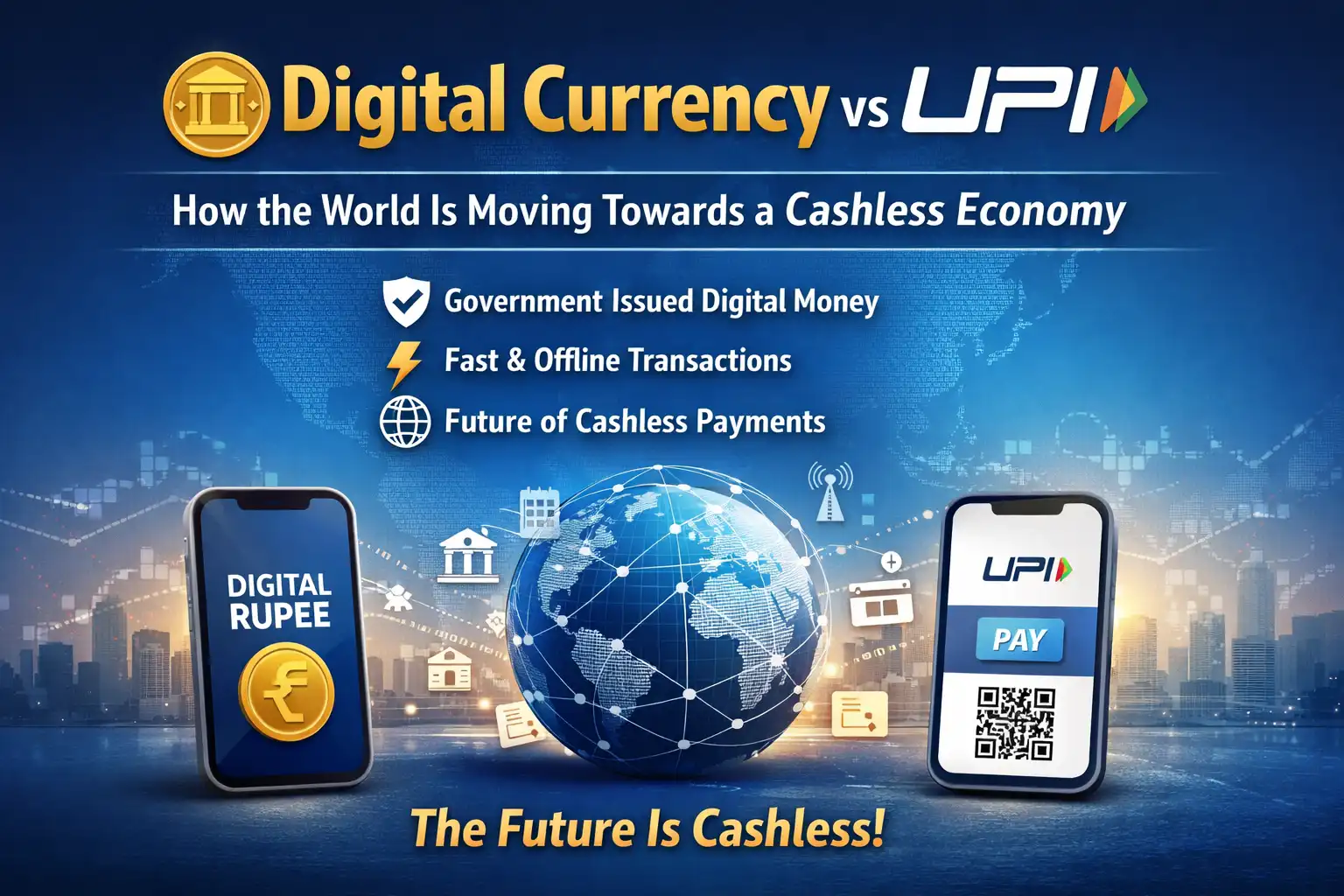
- Real-time payments (UPI model)
- Digital signatures
- Data-sharing frameworks
Latest update:
- FSB highlights that DPI adoption is uneven across regions. Some countries have advanced real-time payment systems, while others still rely on outdated rails.
- G20 continues to push for interoperable standards, especially linking systems across borders.
Promoting Financial Inclusion for All
Many people around the world still do not have access to basic banking services.
The G20 wants to:
- Increase bank account ownership
- Support digital wallets
- Improve access to credit
- Promote microfinance and digital lending
- Strengthen digital financial literacy
Latest update:
- FSB notes that financial inclusion improvements are slower than expected in developing nations, particularly in Africa and parts of Asia.
- G20 initiatives now emphasize mobile payments and low-cost fintech solutions to reach remote populations.
The Role of Fintech Innovation
Fintech innovations are transforming payments:
- Blockchain-based transfers
- Tokenized assets
- Instant payment rails
- AI-driven fraud detection
- Open banking systems
Latest update:
- BIS TechSprint 2025 highlights trustworthy, scalable solutions for cross-border payments.
- Startups and fintech are key partners in implementing fast, low-cost international transfers.
Interoperability: Connecting Payment Systems Globally
Interoperability means different payment systems working together seamlessly.
Latest update:
- India is connecting UPI to Singapore PayNow; further plans include UAE, France, Nepal, and Sri Lanka.
- FSB emphasizes that more cross-border linkages are needed to reduce costs and improve speed globally.
Lowering Fraud and Increasing Security
Digital payments also bring security challenges.
Latest update:
- Cyber threats are increasing globally.
- FSB recommends AI-based monitoring, unified KYC/AML frameworks, and secure APIs.
- Crypto and stablecoins require international coordination to prevent misuse.
Regulation of Digital Currencies and Crypto Assets
Latest update (Nov 2025):
- FSB warns of significant regulatory gaps for crypto and stablecoins.
- G20 members are urged to adopt consistent rules to maintain financial stability while enabling innovation.
- Some countries are piloting CBDCs; India, China, and EU are among the leaders.
Public–Private Partnerships for Better Payment Systems
Governments alone cannot transform global payments.
The G20 promotes collaboration among:
- Banks
- Fintech companies
- Technology giants
- Startups
- Government agencies
Latest update:
- JP Morgan (Nov 2025) highlights private sector innovation as critical for implementing G20 targets.
- Wise report emphasizes engaging private players to reduce hidden costs.
Preparing for the Future of Global Payments
The G20 expects the next decade to bring major shifts:
- AI-powered financial services
- Growth of digital currencies
- Universal QR-based payments
- Near-zero cost international transfers
- Payments embedded in IoT devices
- Strong data privacy rules
- Expansion of cross-border e-commerce
Latest update:
- Progress is visible but uneven; FSB notes that infrastructure gaps in Africa and Asia remain the biggest challenge.
Outcome
The G20’s approach to global payments is built on innovation, openness, and financial inclusion. By improving cross-border payment systems, expanding digital public infrastructure, supporting fintech innovation, and ensuring safety and transparency, the G20 is laying the foundation for a future-ready global financial ecosystem.
Latest update (Nov 2025):
- End-user benefits are gradually appearing, but significant cost reductions and faster transfers are still pending.
- India continues to lead in digital payments and serves as a global model for scalability, inclusion, and innovation.
- The updated reports remind us that policy implementation and infrastructure development are as important as the vision itself.
Source: FSB (Financial Stability Board) Oct 2025 Consolidated Progress Report, Wise Oct 2025 report on hidden fees, JP Morgan Nov 2025 insights, BIS CPMI reports, and G20 official statements.