Introduction
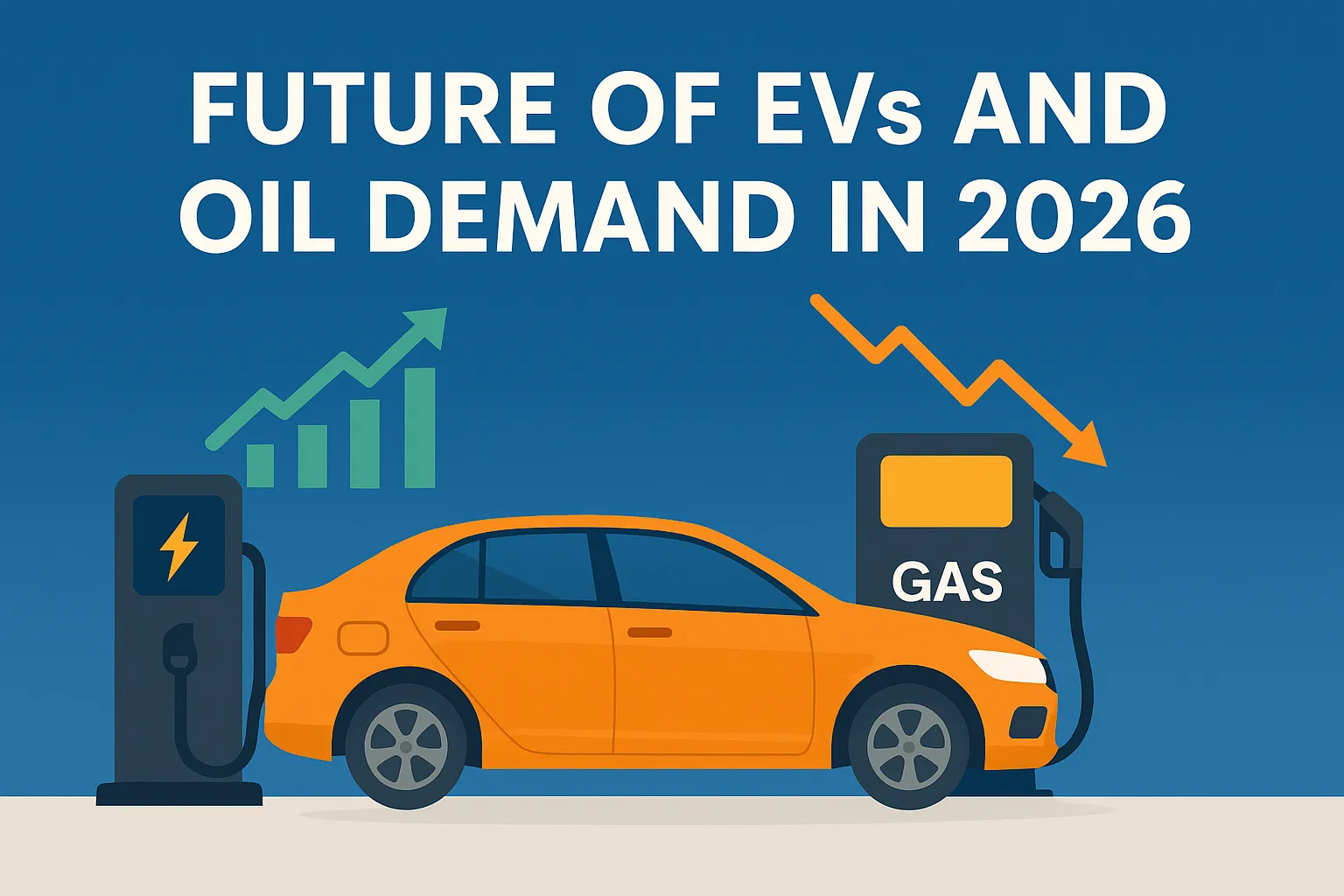
The global automobile industry is undergoing the biggest transformation in its history. Electric Vehicles (EVs), once considered a niche segment, have now entered mainstream discussions around mobility, energy policy, and global economic strategy. As countries push for cleaner energy, companies innovate rapidly, and consumers explore eco-friendly choices, the question that dominates global markets is: Are EVs the future, and how will they reshape the world’s oil demand?
This article offers a comprehensive outlook for 2026, based on current global market research, industry surveys, technology developments, and policy trends. It explores:
- The projected growth of the EV market
- New companies entering the EV ecosystem
- Advancements expected in EV batteries, motors, and durability
- The future impact on oil demand, pricing, and the broader manufacturing sector
- Whether EVs can truly challenge the dominance of petrol and diesel vehicles
1. The EV Market Outlook for 2026
The year 2026 is expected to be a major milestone for EV adoption globally. Current policies, technological advancements, and manufacturer commitments indicate strong momentum over the next three years.
1.1 Expected Global EV Sales Growth
Based on industry estimates (IEA, BNEF, and global auto industry reports):
- EV sales are projected to reach 40–45% of global new vehicle sales by 2026
- China, Europe, and the U.S. will remain the top three EV markets
- India, Southeast Asia, and the Middle East will show accelerated adoption, though from a smaller base
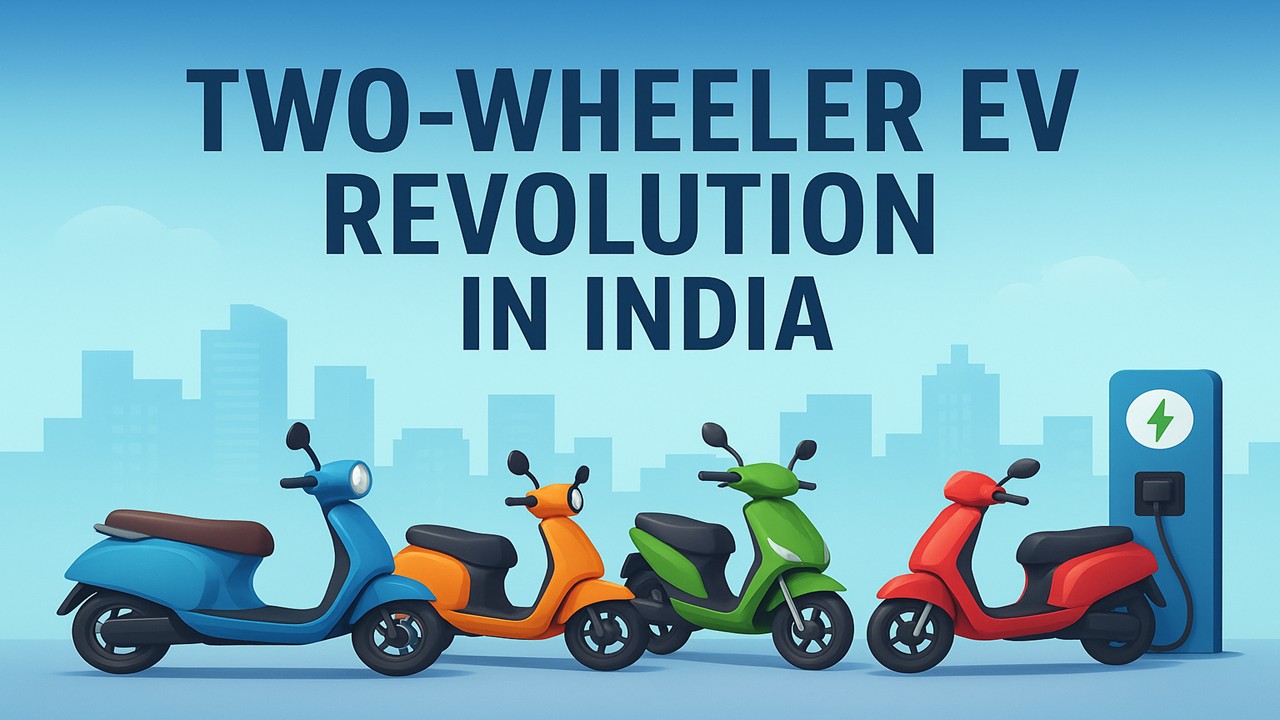
- Two-wheelers and three-wheelers will drive EV penetration in developing countries
By 2026, global charging infrastructure is expected to more than double, making EV ownership more convenient and reliable.
1.2 New Companies Entering the EV Market
Many global and Indian companies are preparing to enter the EV industry across different segments—cars, bikes, buses, batteries, semiconductors, and motors. Some names expected to grow strongly by 2026 include:
Global EV Companies Expanding
- Tesla (expanding in Asia & Europe)
- BYD (aggressive global push into Europe, Latin America & India)
- Rivian
- VinFast
- NIO
- XPeng
- Lucid Motors
- Fisker
Indian EV Companies Growing by 2026
- Tata Motors (new EV lineup, advanced battery manufacturing)
- Mahindra Electric
- Ola Electric (motorcycles, cars by 2026)
- TVS
- Hero MotoCorp EV
- Ather
- Ashok Leyland (electric buses & commercial EVs)
New Companies Entering EV Components
- Exide + Leclanché (battery gigafactory)
- Amara Raja (lithium cell plant)
- Reliance New Energy (battery manufacturing, energy storage)
- Several startups entering battery recycling, charging solutions, EV software & motors
2. Technological Advancements Expected by 2026
2026 will witness major improvements in EV components that directly impact cost, range, safety, and durability.
2.1 Battery Technology Improvements
Future EV batteries are expected to be:
✔ Cheaper
Battery prices are projected to fall by 25–30% by 2026, making EVs cheaper than petrol cars.
✔ Longer Range
Next-gen battery chemistries such as solid-state, LFP+, LMFP, and sodium-ion will offer:
- 700–900 km range for top models
- 250–400 km range for small city EVs
✔ Faster Charging
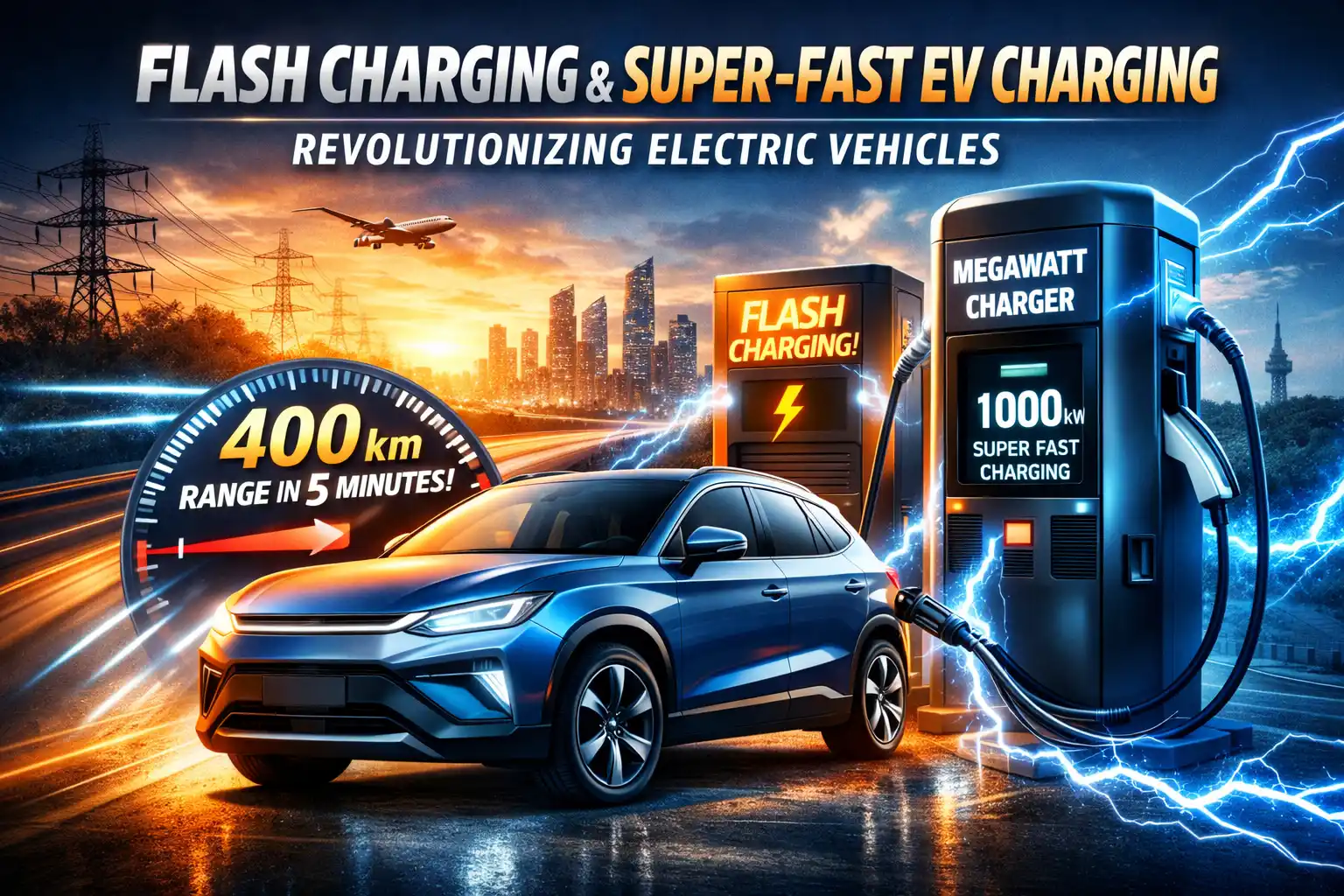
Ultra-fast charging stations will reduce charging time to:
- 10–15 minutes for 80% charge (high-end EVs)
- 25–30 minutes for mass-market EVs
✔ Increased Durability
New batteries will be capable of 10–15 years of life with reduced degradation (less than 10–15% over 5 years).
2.2 Motor Technology Improvements
Electric motors in 2026 will provide:
- Higher efficiency (up to 95%+)
- Reduced maintenance
- Lower noise
- Better performance even at high temperatures
- Cheaper manufacturing due to new rare-earth alternatives
2.3 Overall EV Durability
By 2026, EVs will become more durable because:
- Motors have fewer moving parts than engines
- Batteries will use safer materials
- Smart battery management systems will extend life
- More efficient cooling systems will prevent overheating
This means EVs will require less servicing, making them cost-effective in the long run.
3. Can EVs Challenge Petrol & Diesel Vehicles? Market Survey Insights
Based on global market surveys and automotive studies up to 2025:
✔ Consumers prefer EVs for city travel
EVs are cheaper to run and maintain, making them attractive for daily use.
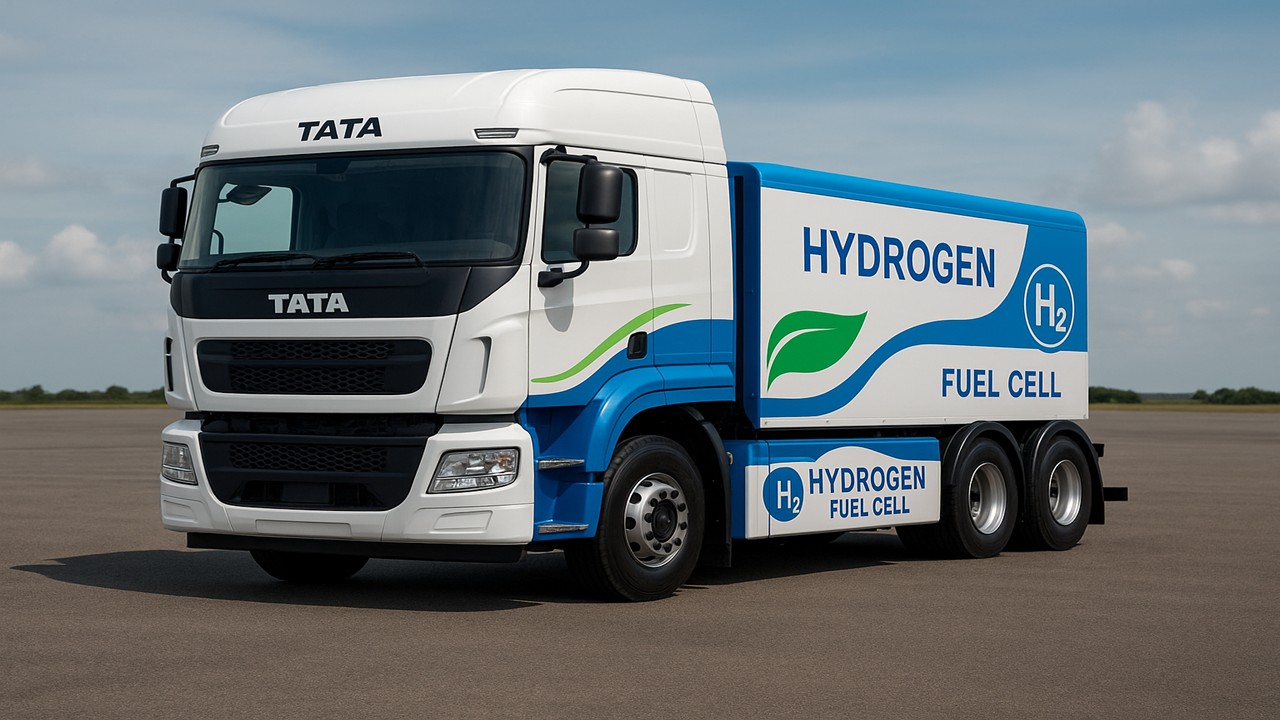
✔ Petrol and diesel will remain strong for long-distance commercial transportation, but EV trucks and hydrogen fuel cell vehicles will increase their share.
✔ By 2030, EVs could dominate small passenger vehicles, especially in Europe, China, and parts of the US.
✔ Developing countries (India, Indonesia, Brazil) will see hybrid + EV mix, as charging networks expand.
Conclusion:
EVs will strongly challenge petrol vehicles but will not fully replace them before 2035–2040. Diesel vehicles will lose the fastest due to environmental restrictions.
4. How EV Growth Will Impact Global Oil Demand
The rise of electric mobility naturally raises a critical question: Will global oil demand fall in the future?
4.1 Will Oil Demand Fall?
Yes — but slowly.
Even if EV growth accelerates, oil is used not only in cars but in:
- Aviation
- Shipping
- Petrochemicals (plastic, chemicals, fertilizers)
- Heavy industries
- Power generation in some countries
However, the transportation sector accounts for nearly 40% of global oil consumption, and EVs directly target this segment.
Worldwide research suggests:
- Oil demand growth will slow from 2026
- Demand is likely to peak between 2027–2030
- After that, a gradual decline will begin as EV adoption increases
5. Will Oil Prices Drop If EVs Rise?
Short-term (2026–2028)
Oil prices may remain volatile due to geopolitical factors, OPEC decisions, wars, and supply constraints.
Medium-term (2028–2035)
As EVs reduce demand growth, oil prices could face downward pressure.
However, large oil producers may restrict supply to keep prices stable.
Long-term (2035+)
Oil demand could decline sharply, causing sustained lower prices unless new industrial uses emerge.
6. Will Lower Oil Prices Reduce Industrial Costs?
Yes, if oil prices drop significantly, the following things may become cheaper:
✔ Manufacturing & Production Costs
Industries like:
- Plastics
- Chemicals
- Fertilizers
- Metals
- Cement
- Logistics
use oil directly or indirectly. Lower oil prices reduce transportation, raw material, and energy costs.
✔ Cheaper Goods for Consumers
Lower production cost → lower final product cost.
However, this benefit will only be seen if oil prices fall for a longer period, not just temporarily.
Combined Outlook: EV Growth + Oil Market Future
When both research areas are combined, the broader picture becomes clear:
1. EV adoption will accelerate globally by 2026
More companies, cheaper batteries, longer ranges, better technology.
2. Petrol and diesel vehicles will lose market share
Especially in urban mobility and personal transport.
3. Oil demand growth will slow down
Not collapse immediately, but gradual decline is likely.
4. Oil price volatility will increase
EV penetration, geopolitical issues, and OPEC decisions will influence prices.
5. Industries may benefit from cheaper oil in the long term
Especially manufacturing-heavy emerging economies.
6. Global economies will shift toward clean energy
Hydrogen, solar, wind, battery storage, and EVs will dominate policy decisions.
Outcome
The world is entering a transformational era for mobility and energy. By 2026, electric vehicles will be more accessible, durable, and technologically advanced, accelerated by global climate policies and massive investment from automakers. At the same time, rising EV adoption will put downward pressure on global oil demand, affecting prices and reshaping the industrial cost structure.
While petrol and diesel vehicles will not disappear immediately, their dominance will erode steadily. Industries, consumers, and governments must prepare for a new energy landscape where electricity — not oil — becomes the primary driver of global transportation.
EVs will not only change how we travel but also how we produce, consume, and power the future world economy.
Source: Analysis based on global market research from IEA, BloombergNEF (BNEF), major EV manufacturers’ 2025–26 outlook reports, and worldwide energy transition studies.