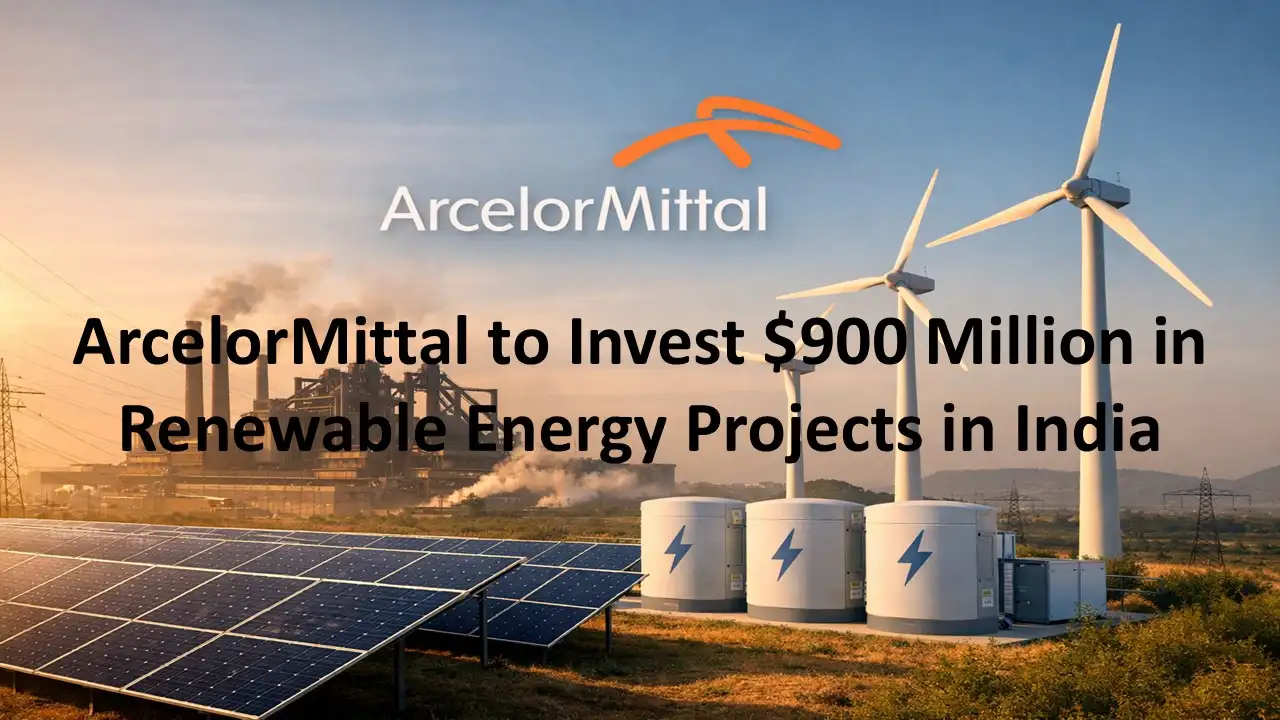
Global steel giant ArcelorMittal has announced a major investment of $900 million (approximately ₹8,100 crore) in India’s rapidly growing renewable energy sector, underlining its long-term commitment to sustainable steel production and clean energy transition. The announcement was made on December 22, 2025, and is being seen as one of the significant foreign investments in India’s green energy space this year.
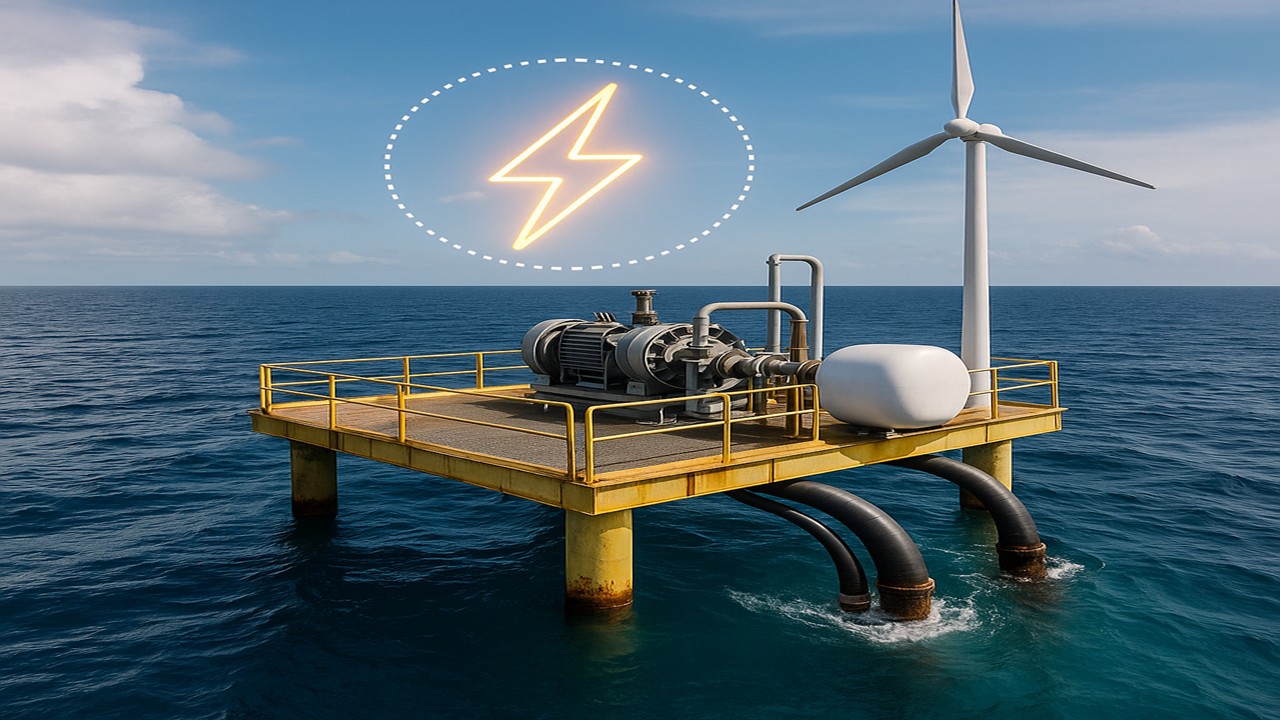
The investment will be used to develop three large renewable energy projects across different Indian states, focusing on solar power, wind power, and battery energy storage systems.
1 GW Renewable Capacity to Be Added in India
According to the company, these projects will add around 1 gigawatt (GW) of new renewable energy capacity. With this addition, ArcelorMittal’s total renewable energy capacity in India will increase to 2 GW, effectively doubling its current clean energy footprint in the country.
The power generated from these projects will primarily be supplied to AMNS India (ArcelorMittal Nippon Steel India), the company’s joint venture with Japan’s Nippon Steel. This electricity will be used in steel manufacturing operations, helping reduce dependence on conventional power sources.
Projects Spread Across Maharashtra, Rajasthan, and Gujarat
The renewable energy projects will be developed across three key Indian states:
- Amravati, Maharashtra: A solar power project aimed at supplying clean electricity to industrial operations.
- Bikaner, Rajasthan: A large solar power project combined with battery energy storage, ensuring stable power supply even during non-sunlight hours.
- Bachau, Gujarat: An integrated project combining solar power, wind energy, and battery storage, making it one of the most comprehensive renewable setups for industrial use.
The inclusion of battery storage systems is expected to improve grid stability and ensure uninterrupted energy supply for large-scale steel production.
Supporting Green Steel and Decarbonisation Goals
This investment is part of ArcelorMittal’s broader global decarbonisation and sustainability strategy. Steel manufacturing is traditionally an energy-intensive process, and shifting to renewable energy is a key step toward reducing carbon emissions.
By increasing the use of clean power, the company aims to:
- Lower its long-term energy costs
- Reduce carbon emissions from steel plants
- Strengthen its position in the emerging green steel market
The move also aligns with global trends, where large industrial players are under pressure to meet stricter environmental regulations and climate targets.
Timeline for Project Completion
ArcelorMittal has provided an indicative timeline for the projects:
- The Maharashtra solar project is expected to be completed by the first half of 2027.
- The Rajasthan and Gujarat projects are expected to be operational by the first half of 2028.
Once operational, these projects will play a key role in supplying clean energy to the company’s Indian operations over the long term.
Boost for India’s Renewable Energy Sector
Industry experts believe this investment sends a strong positive signal to India’s renewable energy market. India is targeting rapid expansion in clean energy capacity, and large foreign investments like this help strengthen infrastructure, technology adoption, and investor confidence.
The projects are also expected to:
- Attract more global investors to India’s green energy space
- Support job creation during construction and operations
- Encourage other heavy industries to adopt renewable energy
Strengthening ArcelorMittal’s Global Renewable Portfolio
With the addition of these Indian projects, ArcelorMittal’s global renewable energy capacity will increase significantly, reinforcing its presence in clean energy markets across multiple countries. India is expected to remain a key pillar of the company’s long-term growth and sustainability plans.
Outcome
ArcelorMittal’s $900 million renewable energy investment in India marks a major step in the transition toward cleaner industrial operations. The move not only supports the company’s environmental goals but also strengthens India’s position as a global hub for renewable energy investment. As demand for low-carbon steel rises worldwide, such initiatives are likely to play a crucial role in shaping the future of the steel industry.
Source: ArcelorMittal press
Join our chatroom Bizchat for professional talks and more!