When geopolitical tensions rise, financial markets react immediately. Stock markets turn volatile, oil prices surge, currencies fluctuate — and investors begin searching for safety. In such uncertain times, one asset consistently attracts global capital: Gold.
With rising tensions involving Iran in early March 2026, global markets have entered a risk-off mode. Investors are moving away from equities and high-risk assets and shifting toward safe-haven investments. The key question now is:
Is gold heading toward new historic highs? Or is this just a temporary spike?
Let’s break down the full analysis in simple and clear language, backed by the latest available data.
Latest Gold Price Data
International Market
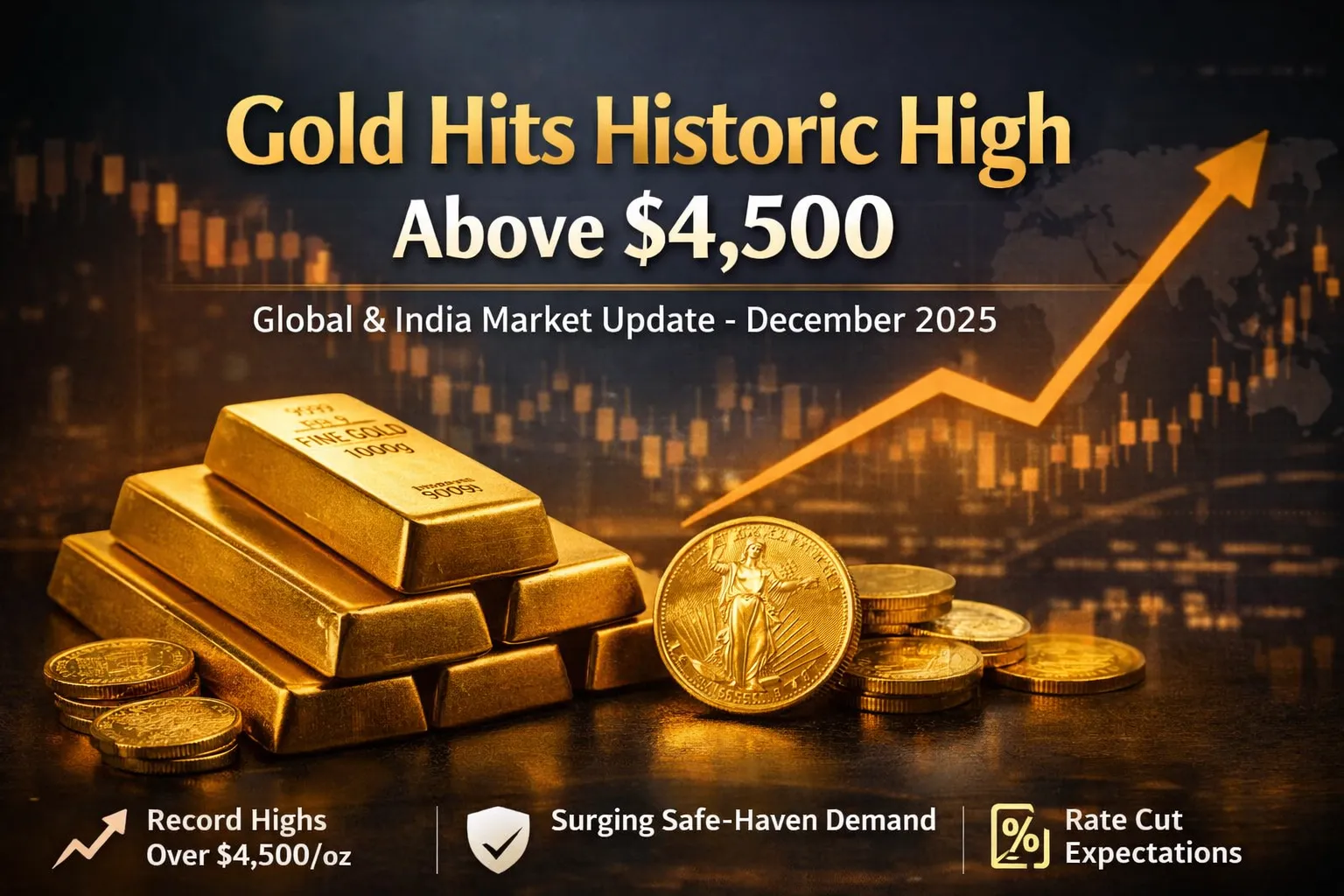
- Spot Gold is currently trading near $5,278 – $5,300 per ounce
- Some derivatives markets briefly tested levels above $5,400
- Gold has gained sharply over the past few weeks amid geopolitical uncertainty
India Market
- 24K Gold: Around ₹1,68,700+ per 10 grams
- 22K Gold: Around ₹1,54,800+ per 10 grams
- Weekly increase: Nearly ₹9,000–₹13,000 surge in major cities
Gold is trading near record territory globally.
Why Does War Push Gold Higher?
Gold is considered a Safe Haven Asset. This means when:
- War risks increase
- Financial markets become unstable
- Oil supply is threatened
- Inflation fears rise
- Global currencies weaken
Investors move money into gold to preserve capital.
Tensions related to Iran have triggered exactly this pattern. Global investors are hedging risk by increasing gold exposure through ETFs, futures, and physical purchases.
Oil and Gold: A Powerful Connection
Iran is strategically located near major oil supply routes. If tensions escalate:
- Oil supply disruptions become possible
- Crude oil prices may move toward $100 per barrel
- Higher oil → Higher inflation
- Higher inflation → Higher gold demand
This creates a chain reaction:
Rising oil → Inflation risk → Investor fear → Gold buying → Price surge
Currently, crude oil prices are already elevated, reinforcing gold’s upward momentum.
Key Drivers Supporting Gold in 2026
1️⃣ Geopolitical Risk Premium
Markets add an extra “risk premium” to gold prices during global conflict.
2️⃣ Weakening Dollar Expectations
If the US dollar weakens or interest rate cuts are expected, gold becomes more attractive.
3️⃣ Central Bank Buying
Global central banks continue accumulating gold reserves, creating steady demand support.
4️⃣ ETF Inflows
Gold ETFs have seen strong inflows recently, signaling institutional confidence in gold’s upside potential.
Short-Term Forecast (Next 1–4 Weeks)
If tensions continue:
- Gold may remain volatile but biased upward
- Price range could move toward $5,300–$5,600 per ounce
- Every minor dip could attract fresh buying
Short-term trend: Bullish with volatility
Medium-Term Outlook (3–12 Months)
Two possible scenarios:
✅ Scenario 1: Conflict Escalates or Prolongs
- Oil remains elevated
- Inflation pressures stay high
- Risk sentiment weak
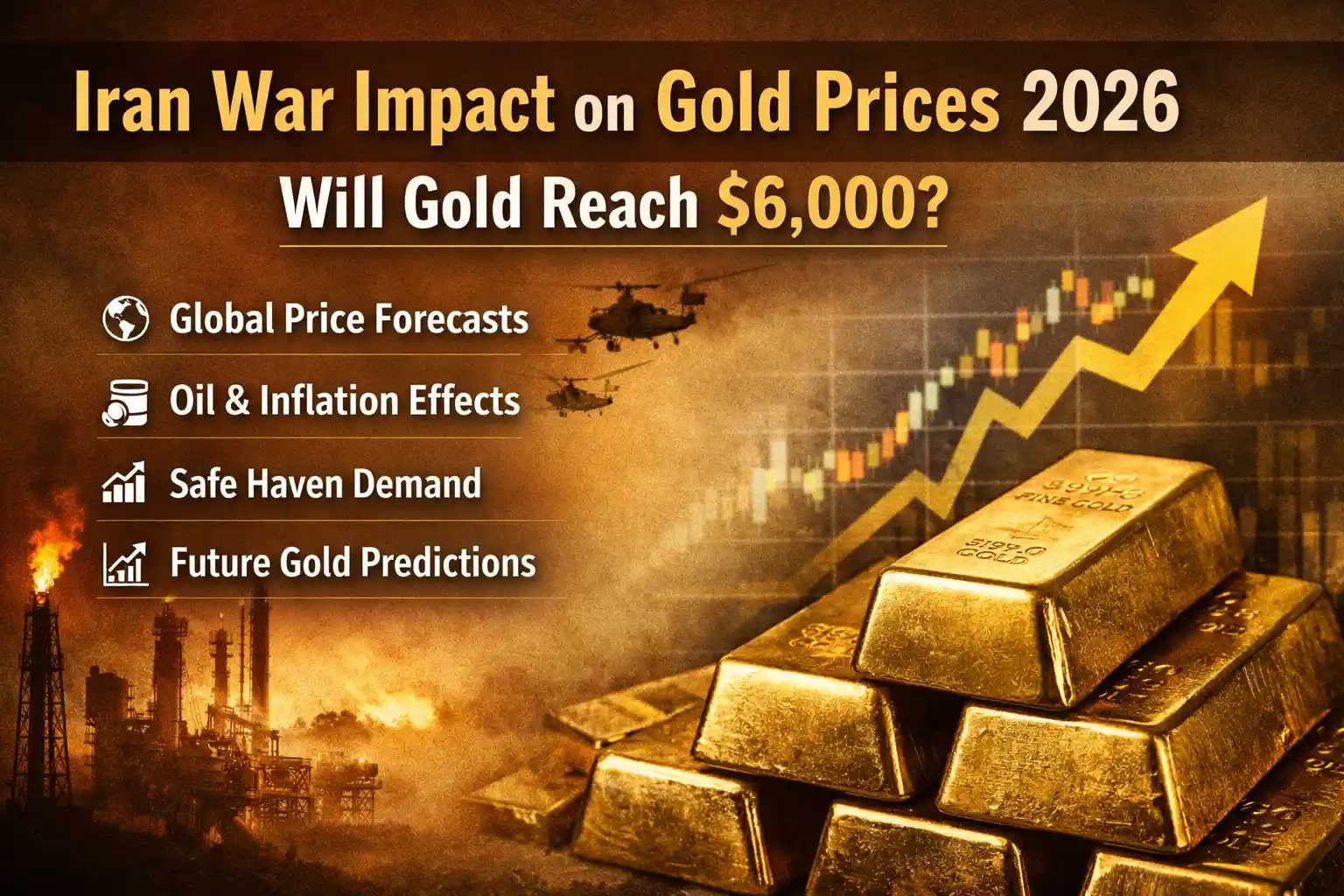
➡ Gold could test $6,000 per ounce or higher
In India, prices may approach ₹1.85 lakh per 10 grams under extreme escalation.
⚠️ Scenario 2: Tensions Ease Quickly
- Oil stabilizes
- Stock markets recover
- Risk appetite returns
➡ Gold may see a correction, possibly falling back toward lower support levels.
Performance Trend: February–March 2026
- Gold has already gained significantly during February
- It is trading near historic highs
- Momentum indicators suggest strong investor positioning
- However, rapid rises also increase the chance of short-term pullbacks
Risk Factors to Watch
Even though the trend is strong, gold can fall if:
- Diplomatic resolution reduces war fears
- US dollar strengthens sharply
- Interest rates rise unexpectedly
- Equity markets stage a strong rally
Gold does not generate interest income, so in stable conditions, investors may shift back to growth assets.
Investment Strategy in Current Environment
✔ Avoid panic buying at peak levels
✔ Consider staggered investment (phased allocation)
✔ Keep gold allocation around 10–15% of portfolio for balance
✔ Monitor geopolitical developments closely
Gold works best as a risk hedge, not as a full portfolio replacement.
Final Conclusion
As of 1 March 2026, gold is trading near record highs due to geopolitical tensions involving Iran and broader global uncertainty.
- Safe-haven demand is strong
- Oil prices are supporting inflation fears
- ETF and central bank buying remain robust
If tensions escalate further, gold could push toward $6,000 per ounce in an extreme scenario. However, if diplomacy prevails and stability returns, a correction is possible.
Bottom Line:
Gold remains fundamentally strong in the current global risk environment — but investors should remain strategic, not emotional.