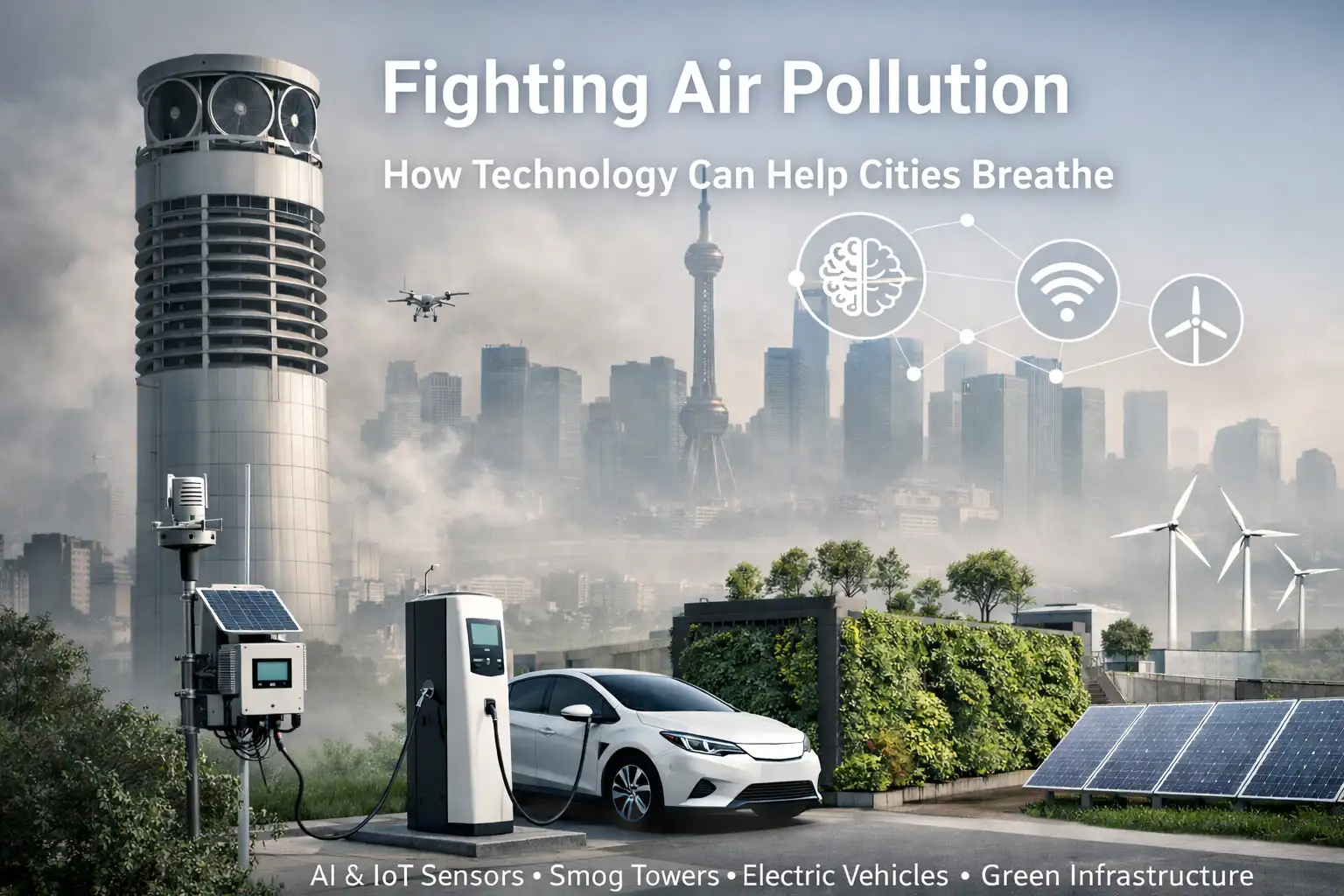
The Invisible Threat in Our Cities
Imagine waking up in a city where the air itself feels heavy, every breath you take brings invisible toxins into your lungs, and stepping outside is a daily gamble with your health. This is not a dystopian future—it is the reality in cities like Delhi, Beijing, Los Angeles, and Milan. Rapid urbanization, skyrocketing vehicle numbers, unchecked industrial activity, and seasonal agricultural burning have transformed the air into a silent killer.
Air pollution does more than make the sky grey. It causes respiratory illnesses, cardiovascular problems, cognitive impairment, and long-term developmental effects. People now check AQI (Air Quality Index) daily, not just the weather. The stakes are high, and urgent solutions are needed. Technology and research offer a beacon of hope—providing tools to monitor, predict, and even reduce pollution, while policies and awareness can create a sustainable path for clean air. This article explores not only the causes of pollution but also the emerging technologies and strategies that can help entire cities breathe cleaner air.
Understanding AQI: Air Quality Index
Points:
- AQI converts multiple pollutant readings into a single number.
- Measures PM2.5, PM10, NO₂, SO₂, CO, O₃.
- High AQI indicates dangerous air for human health.
AQI is a standardized metric that simplifies complex air pollution data into one number, making it easy for citizens and authorities to understand air safety. The highest pollutant at a given time dictates the AQI. It informs when to reduce outdoor activity, implement traffic restrictions, or enforce industrial compliance to protect public health.
PM2.5: The Most Dangerous Pollutant
Points:
- Fine particles under 2.5 microns, 28x smaller than a human hair.
- Penetrates lungs and bloodstream.
- Causes respiratory, cardiovascular, and developmental issues.
- Major driver of high AQI in cities.
PM2.5 is nearly invisible and highly toxic. Vehicles, factories, construction, and crop burning release these particles into the air. Once inhaled, they penetrate deep into the lungs and bloodstream, damaging organs and increasing risks of asthma, heart attacks, strokes, and long-term health complications.
Major Sources of Urban Pollution
Points:
- Vehicles: tailpipe emissions of PM2.5, NO₂, CO.
- Industries: emit SO₂, CO₂, PM10.
- Agriculture: seasonal crop burning adds spikes.
- Construction: dust contributes to particulate load.
Urban air pollution stems from multiple sources. In Delhi, vehicles alone contribute around 35–45% of particulate pollution. Factories add regional emissions, while seasonal crop burning increases PM2.5 drastically in winter. Construction dust further aggravates local air quality. Identifying sources is essential for targeted technology-driven solutions.
Why Pollution Peaks in Winter: Temperature Inversion
Points:
- Cold dense air traps pollutants near the ground.
- Warm air above acts like a lid.
- Causes prolonged periods of hazardous AQI.
Temperature inversion traps polluted air at ground level, preventing it from dispersing. This phenomenon causes winter AQI spikes in northern cities like Delhi and Beijing. Even if emission sources remain constant, inversion dramatically increases PM2.5 concentration, making urban air extremely hazardous.
Limitations of Conventional Solutions
Points:
- Indoor air purifiers only clean limited spaces.
- Smog towers target small areas.
- Full city-scale air purification remains impractical.
Traditional air cleaning methods provide localized relief but cannot manage the enormous volume of urban air. Scaling indoor purifiers or smog towers to an entire city is extremely expensive and energy-intensive. Hence, preventive measures and source control remain more effective and sustainable.
Emerging Technology & Research Solutions
AI and Machine Learning for AQI Prediction
Points:
- Forecast pollution spikes using traffic, industry, and weather data.
- Implement preemptive measures like vehicle restrictions.
- Issue early warnings to protect public health.
AI analyzes traffic patterns, industrial activity, and meteorological data to predict high AQI periods. Authorities can take proactive measures, like restricting vehicles or issuing health advisories, to reduce exposure during dangerous pollution events.
IoT Sensor Networks
Points:
- Real-time pollution monitoring across cities.
- Identify hotspots and pollution sources.
- Provide data-driven intervention guidance.
IoT sensors create detailed pollution maps, allowing authorities to target interventions effectively. They help track industrial compliance, optimize traffic flows, and monitor citywide air quality continuously, enabling faster and smarter decision-making.
Smog Towers and Outdoor Air Purifiers
Points:
- Vertical towers filter PM2.5 and PM10.
- Target high-density pollution zones.
- Piloted in Delhi, China, and Europe.
- Research focuses on energy efficiency and scalability.
Smog towers pull polluted air through filters, releasing cleaner air. While effective locally, scaling for entire cities remains a challenge. Ongoing research aims to make them modular, energy-efficient, and powered by renewable energy for sustainable operation.
Photocatalytic Materials & Pollution-Absorbing Surfaces
Points:
- Coated pavements, buildings, and roads with TiO₂.
- Converts harmful NOx and VOCs into harmless compounds.
- Passive long-term reduction of urban pollution.
Photocatalytic coatings use sunlight to neutralize pollutants. Tested in Milan and Beijing, these materials are promising for passive pollution control. Research focuses on improving efficiency under low sunlight and high humidity for large-scale urban deployment.
Electric Vehicles & Smart Transportation
Points:
- EVs eliminate tailpipe emissions.
- AI traffic management reduces congestion and idling.
- Renewable energy integration supports sustainability.
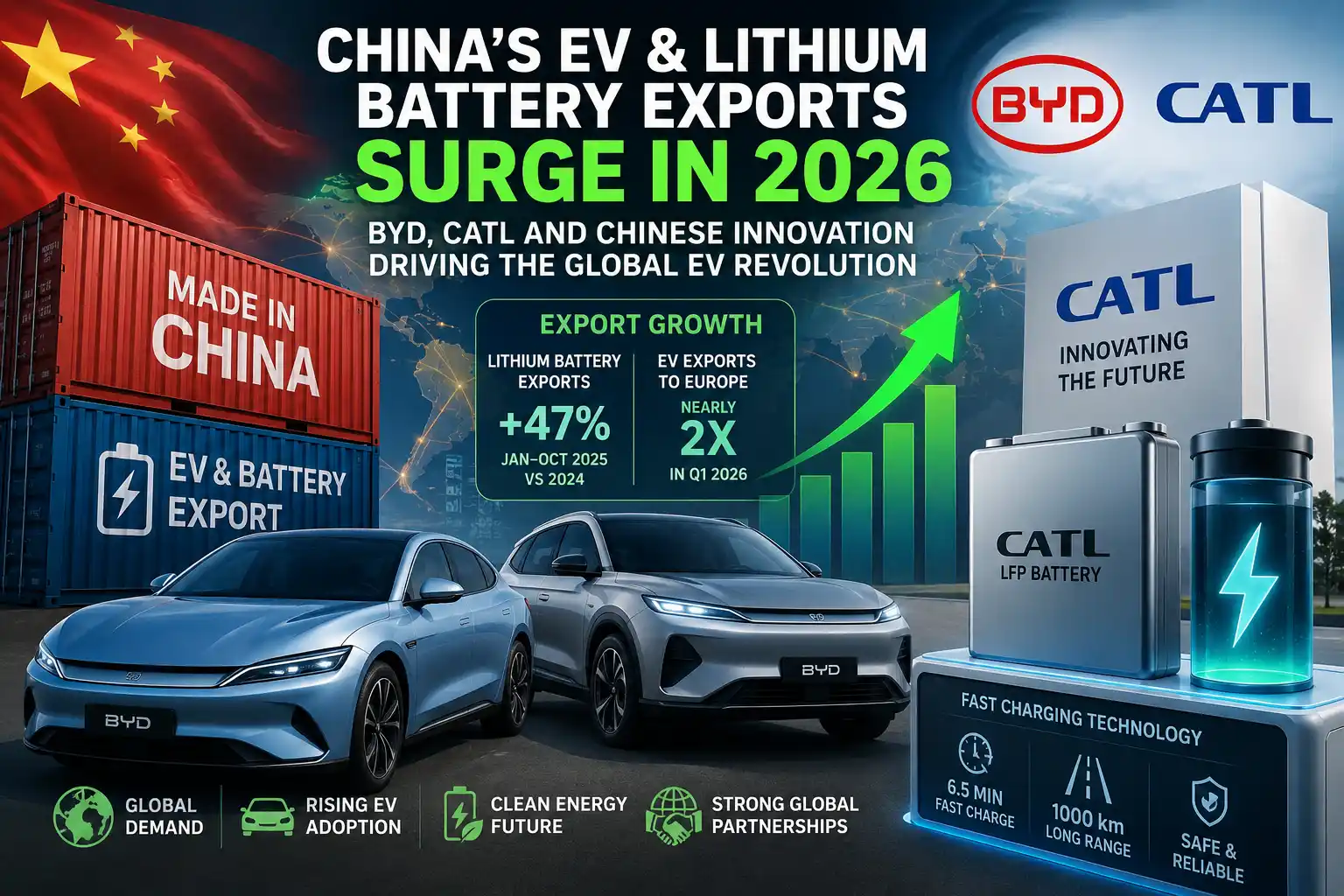
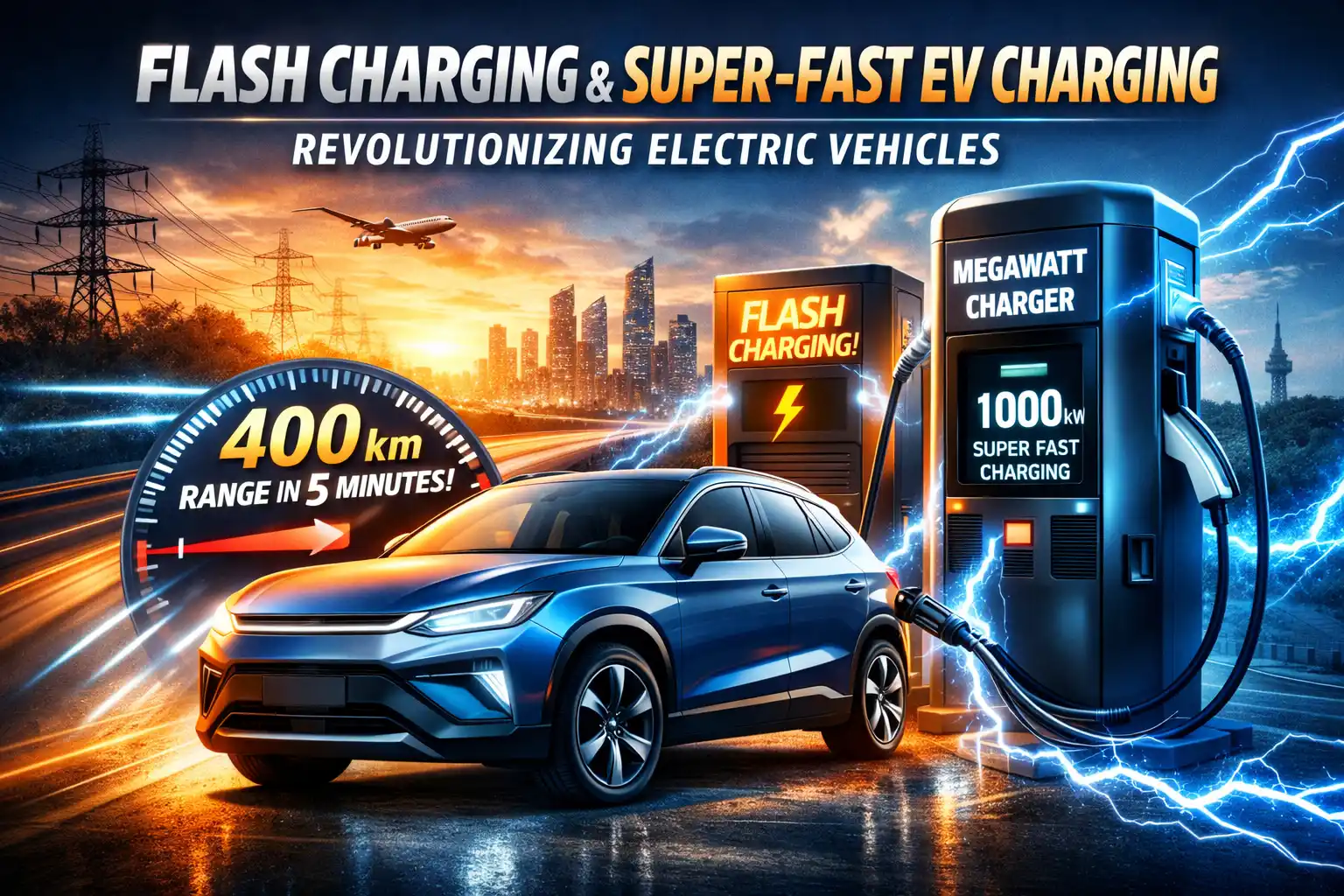
EV adoption and smart traffic systems reduce vehicular emissions significantly. AI optimizes traffic to avoid congestion and idling. Research focuses on improving EV battery efficiency, charging infrastructure, and large-scale integration in urban transport systems.
Urban Green Infrastructure
Points:
- Trees, green walls, and rooftop gardens filter PM2.5 and CO₂.
- Improve microclimate and reduce heat islands.
- Enhance aesthetics, health, and climate benefits.
Green infrastructure acts as a natural urban filter. Studies focus on optimal placement and species selection to maximize pollutant absorption. Combining greenery with technology improves urban air quality while offering climate and aesthetic advantages.
Renewable Energy and Industrial Emission Control
Points:
- Transition from coal to solar and wind energy.
- Install industrial filters and scrubbers.
- Continuous monitoring ensures compliance and efficiency.
Industries emit significant PM, SO₂, and CO₂. Switching to renewable energy and advanced emission-control devices reduces pollutants at the source. Real-time monitoring ensures compliance and long-term air quality improvement.
Integrated Approach: Policy + Technology
Points:
- Source reduction is the primary focus.
- Technology assists in monitoring, prediction, and mitigation.
- Public awareness reinforces interventions.
A coordinated strategy combining EV adoption, industrial regulation, smart sensors, AI forecasting, green infrastructure, and citizen engagement ensures sustainable air quality improvement. Technology alone cannot purify cities without preventive actions.
Global Relevance: Lessons Learned
Points:
- Pollution is a global urban challenge.
- Tailored solutions needed for local conditions.
- Technology + policy integration yields success.
Cities like Beijing, Los Angeles, and Milan face similar challenges. Integrated solutions using AI monitoring, renewable energy, smart traffic, and urban greenery have improved air quality. Local adaptation, combined with technology and policy, ensures effective pollution control.
Path to Cleaner Air
Points:
- Reduce emissions at the source.
- Use technology for monitoring and predictive interventions.
- Long-term urban planning ensures sustainable air quality.
Clean air requires systemic changes. Emerging technologies enable prediction, monitoring, and targeted mitigation, but reducing emissions at the source, urban planning, renewable energy adoption, and green infrastructure provide lasting solutions.