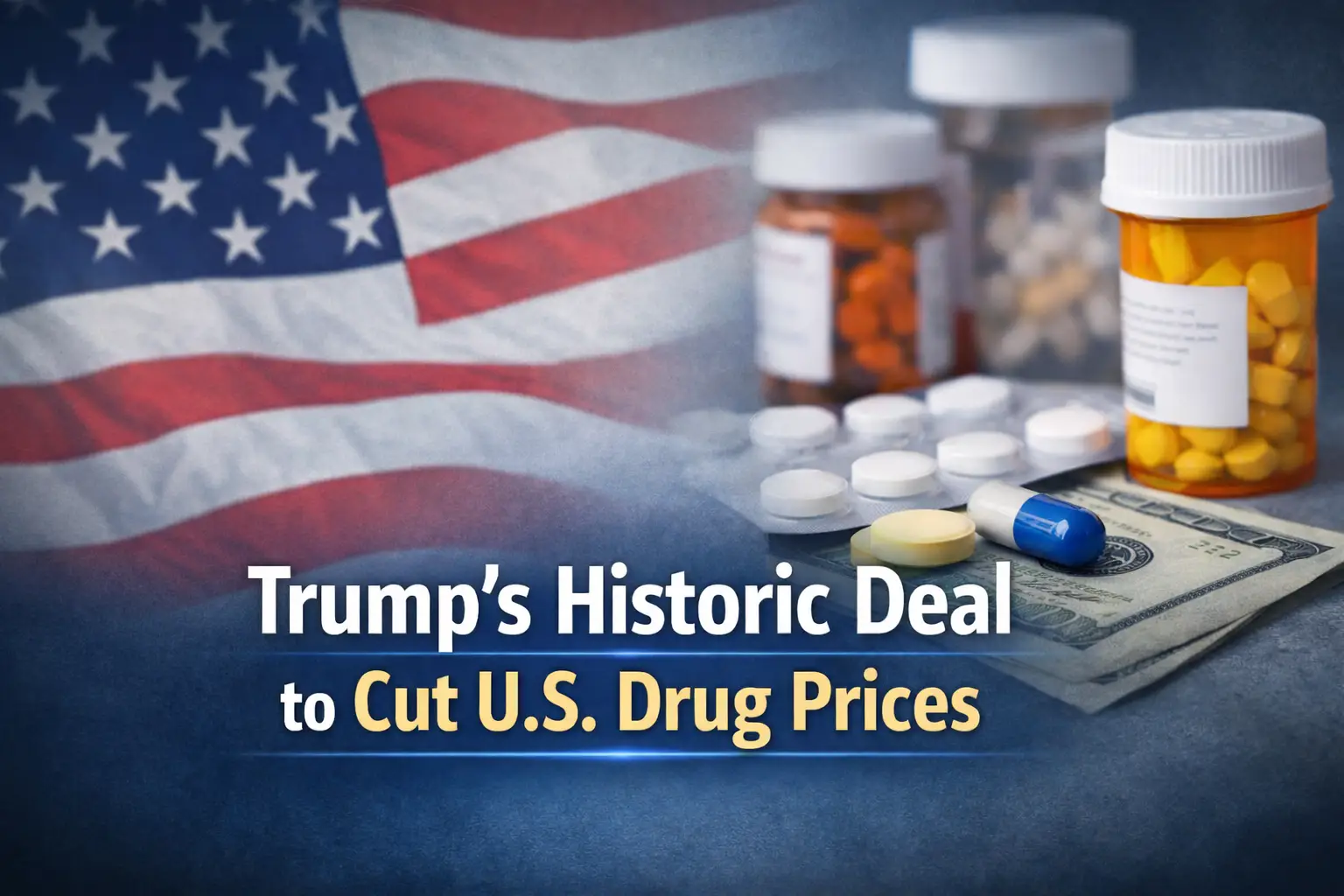
In a landmark move aimed at making prescription medications more affordable for Americans, President Donald Trump has announced a historic agreement with 9 of the world’s leading pharmaceutical companies. This deal, described as one of the largest of its kind in U.S. history, is expected to significantly reduce the cost of essential medications, directly benefiting millions of Americans, particularly senior citizens, middle-class families, and patients with chronic illnesses.
According to officials, some drugs could see price cuts of up to 70%, aligning U.S. drug prices with international benchmarks. The announcement comes at a time when rising drug costs have become a major concern for both consumers and policymakers.
Latest News Update
After a high-level meeting at the White House, President Trump revealed that the pharmaceutical companies involved have agreed to lower prices for a wide range of medications, including those used for cancer, diabetes, heart disease, HIV, and rare conditions.
Key points from the announcement:
- Price alignment with other developed nations: Certain medications will now cost Americans no more than what patients pay in Europe or Canada.
- Medicaid and cash patients relief: The reduced pricing will benefit government health programs like Medicaid and also those paying out-of-pocket.
- TrumpRx platform: A new digital platform will allow consumers to access discounted prescription drugs directly.
- U.S. investment commitment: Participating companies have pledged significant investments in research, development, and domestic manufacturing, totaling over $150 billion.
- Temporary tariff relief: Companies will receive exemptions from certain import tariffs for a limited period.
This agreement is being hailed as a major step toward making healthcare more affordable and addressing one of the most pressing issues facing Americans today.
Why U.S. Drug Prices Are High
Drug prices in the United States have long been a point of concern. On average, medications in the U.S. are significantly more expensive than in Europe, Canada, or Asia. Factors contributing to this include:
- Lack of a universal price control system.
- High costs of research and development passed on to consumers.
- The insurance system and varying pharmacy benefit structures, which lead to inconsistent pricing.
This context makes the Trump deal particularly significant, as it introduces a level of government oversight and coordination that has historically been absent.
The Companies Involved
The 9 pharmaceutical companies that have signed the agreement are major global players, recognized for their contributions to medicine and biotechnology:
- Amgen – Specializes in neurology and cardiovascular medications.
- Bristol Myers Squibb – Known for cancer, cardiovascular, and immunology treatments.
- Boehringer Ingelheim – Focused on chronic conditions like diabetes.
- Genentech (Roche) – Biotechnology leader in oncology treatments.
- Gilead Sciences – Provides HIV and hepatitis medications.
- GSK (GlaxoSmithKline) – Specializes in immunology and respiratory therapies.
- Merck & Co. – Known for diabetes and chronic disease medications.
- Novartis – Produces treatments for multiple sclerosis and cancer.
- Sanofi – Manufacturer of insulin and blood-thinning medications.
These companies together account for a large share of the prescription drug market in the U.S., making their participation crucial for the deal’s impact.
Key Features of the Agreement
The deal introduces several critical components designed to benefit American patients:
- Most Favored Nation (MFN) Pricing: Prices of selected drugs will be aligned with the lowest international rates.
- Medicaid Price Reductions: Government programs will receive medications at lower costs, expanding access to essential medicines.
- TrumpRx Digital Platform: A new online platform will provide direct access to affordable drugs for consumers.
- U.S. Investment & Manufacturing: The companies will invest billions into domestic R&D and manufacturing facilities, boosting the U.S. economy and healthcare infrastructure.
- National Reserve Contribution: Some companies will supply key drug ingredients to a national reserve, ensuring medication availability during shortages.
Expected Benefits
The agreement is expected to bring several immediate and long-term benefits:
- Lower Out-of-Pocket Costs: Patients will spend less on essential medications, easing financial burdens on families.
- Improved Access to Healthcare: Elderly and chronically ill patients will have better access to affordable treatment.
- Enhanced Healthcare Security: Strategic contributions to national drug reserves will strengthen the U.S. healthcare system.
- Boost to Domestic Economy: Investments in U.S.-based R&D and manufacturing will create jobs and support innovation.
⚠️ Criticism and Challenges
Despite widespread praise, some concerns remain:
- Impact on Innovation: Critics warn that reduced profits could potentially affect research into new drugs.
- Long-Term Effectiveness: It remains uncertain whether the price reductions will be sustainable over the long term.
- Implementation Challenges: Monitoring and enforcing compliance with MFN pricing and direct-to-consumer platforms will require robust oversight.
Outcome
The Trump administration’s deal with nine major pharmaceutical companies represents a historic shift in U.S. healthcare policy. By negotiating significant drug price reductions and introducing mechanisms like the TrumpRx platform, the government aims to make essential medications affordable for millions of Americans. While the immediate benefits are clear, the long-term impact will unfold over the coming months as the plan is implemented.
This agreement also sends a strong signal to global pharmaceutical markets, highlighting the U.S. government’s commitment to addressing healthcare affordability while balancing innovation and investment.
Source: The Whitehouse factsheets – Drug Pricing Agreement, Dec 19, 2025