Digital engineering and AI solutions leader EPAM Systems has officially launched its seven new and advanced AI agents on the Google Cloud Marketplace. This move is being considered one of the biggest steps boosting the AI-agent ecosystem, making 2025 the “year of enterprise automation expansion.”
EPAM’s aim is clear — reduce AI adoption time, automate enterprise operations, and provide secure, scalable AI workflows.
These seven agents are specifically designed to solve real-world challenges in sectors like banking, finance, healthcare, pharma, retail, and data engineering. All solutions are built on Google’s Gemini Enterprise platform and Agent-to-Agent (A2A) protocol, ensuring seamless enterprise-level deployment.
Why Launching on Google Cloud Marketplace Is a Big Move?
EPAM’s new AI agent suite is directly available on the Google Cloud Marketplace.
This means companies can now deploy these solutions with just one click.
The biggest advantage of using the cloud marketplace is that enterprises don’t need lengthy implementation cycles. Organizations can instantly integrate these agents with their existing Google Cloud infrastructure.
Tech experts believe that as AI demand accelerates, marketplace-based AI innovation will become mainstream. EPAM’s move is seen as a strong signal in this direction.
Quick Introduction to EPAM
EPAM Systems (NYSE: EPAM) is a global technology company that has been providing digital engineering, software development, cloud, AI, and automation services since 1993.
Working with leading companies across the world, EPAM has built a reputation as a provider of highly complex technical solutions. Today, EPAM plays a leading role in AI engineering, data modernization, and cloud transformation.
The 7 Launched AI Agents: Explained in Simple Language
EPAM has designed these seven AI agents to meet the specific needs of modern industries. Here’s an easy-to-understand breakdown:
1) Agentic KYC Automation
For: Banking and Financial Services
Function: Fully automates the KYC process—document scanning, identity verification, risk checks, regulatory scans.
Why Needed?
Manual KYC is slow, error-prone, and highly regulated.
Benefits:
- Up to 70% reduction in KYC processing time
- Faster onboarding
- Fewer manual errors
2) Streamlined Document Authoring
For: Clinical research and healthcare organizations
Function: Quickly creates regulatory documents and clinical reports.
Why Needed?
Clinical documentation is heavy, long, and extremely sensitive.
Benefits:
- Less repetitive work
- Faster research cycles
- Better regulatory compliance
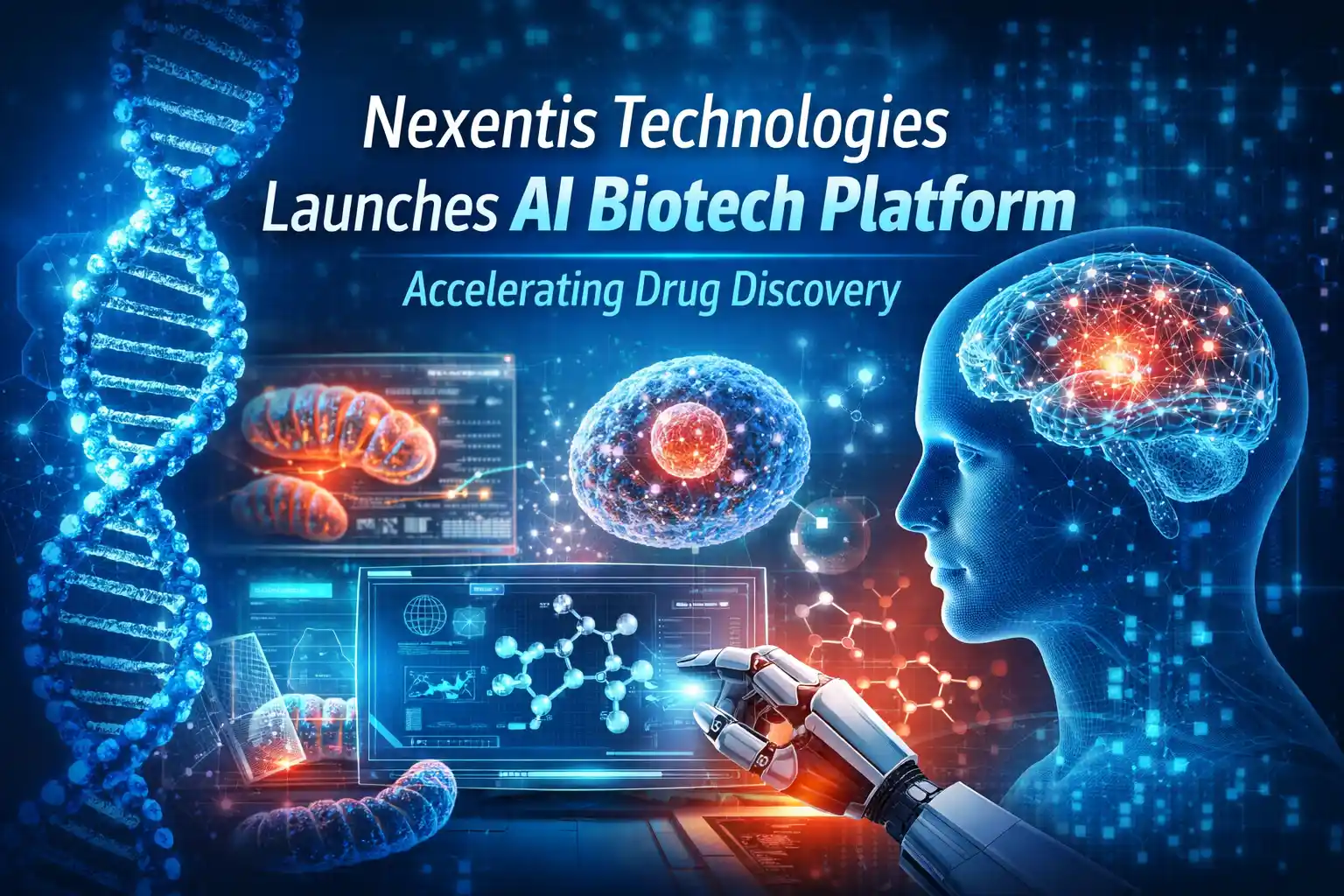
3) AI-Driven Drug Discovery Pipeline
For: Pharma and biotech
Function: Processes genomics, chemoinformatics, and multi-omics data for faster drug discovery.
Why Needed?
Drug development takes years from initial testing to market launch.
Benefits:
- Faster research stages
- Lower development costs
- Rapid hypothesis testing
4) Agentic SQL Query Optimization
For: Data-heavy enterprises
Function: Automatically optimizes SQL queries for faster analytics and reporting.
Why Needed?
Poorly optimized queries increase cloud costs and slow down processing.
Benefits:
- 30–40% reduction in cloud spend
- Faster data queries and dashboards
5) Retail Media Orchestration Toolkit
For: Retail brands
Function: Simplifies media campaigns, ad performance tracking, and data orchestration.
Why Needed?
Retail media is the fastest-growing advertising model today.
Benefits:
- Easier campaign management
- Better ROI
- Improved audience targeting
6) Video Processing Suite
For: Media, education, security sectors
Function: Tags, transcribes, and organizes long video content automatically.
Why Needed?
Unstructured video data is the hardest type of data to manage.
Benefits:
- Easier video search
- Simple editing and reuse
- Faster video analytics
7) Talk to Your Data
For: All enterprise users
Function: Lets users ask questions in natural language and get analytics instantly.
Why Needed?
Non-technical teams now rely heavily on data.
Benefits:
- Faster business decisions
- Reduced burden on analytics teams
What Does This Mean for Enterprises?
According to tech experts, EPAM’s AI agents will significantly increase the speed of AI adoption.
Earlier, AI model integration and training took months.
Now AI agents are available as ready-to-use packages, allowing businesses to focus on solving real problems immediately.
Experts predict three major impacts:
- Faster AI adoption
- Reduced operational costs
- Strong security and compliance control
Challenges That Still Remain
Despite the positive launch, some challenges continue:
- Data privacy concerns, especially in banking and healthcare
- Enterprise-level customization demands
- AI governance and model bias
- Need for continuous monitoring and updates
Even with these challenges, market analysts believe EPAM’s move will help enterprises adopt AI far more rapidly.
Outcome
EPAM’s launch of seven advanced AI agents on the Google Cloud Marketplace is one of the biggest tech developments of 2025. These agents have the potential to bring major changes to banking, healthcare, retail, and data engineering industries.
AI agents are no longer experiments—they are becoming an essential part of daily enterprise operations.
And with this launch, EPAM has positioned itself at the forefront of the global AI race.
Source: EPAM Newsroom
Join our chatroom Bizchat for professional talks and more!