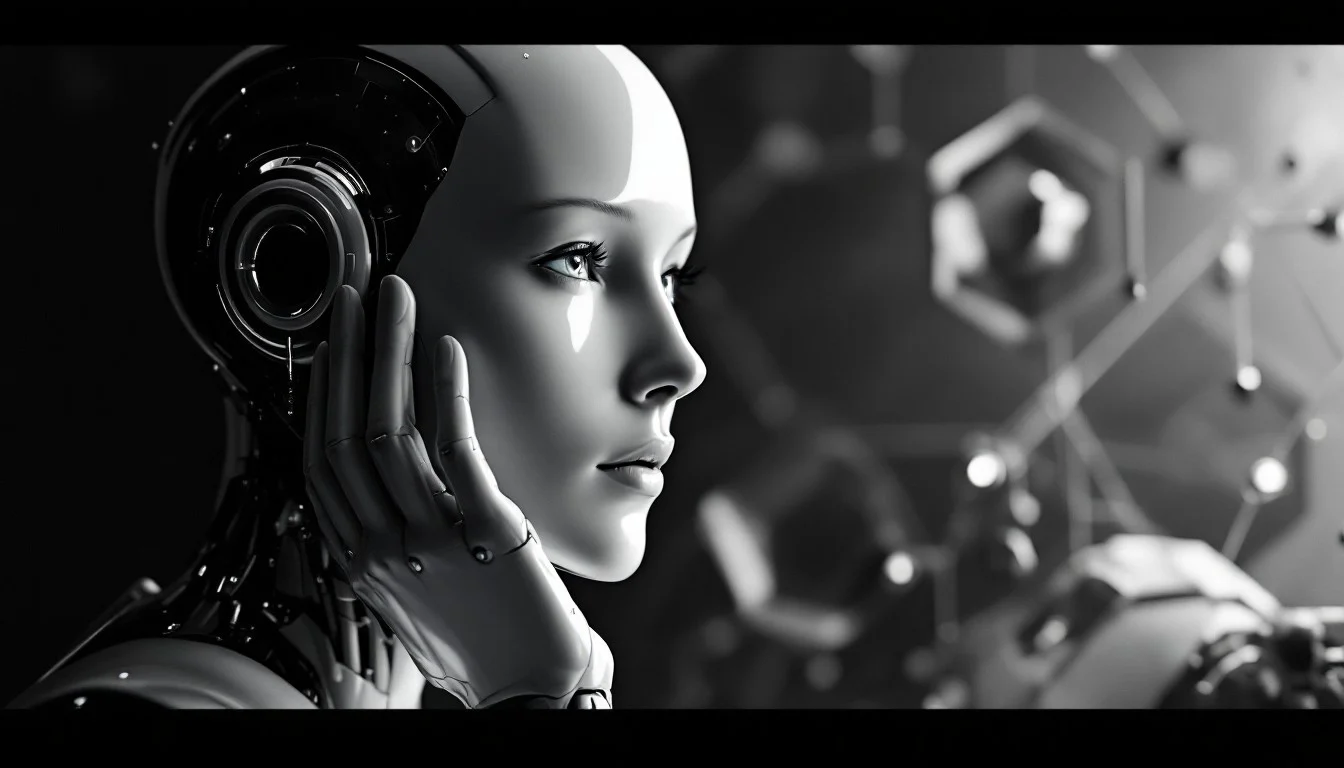
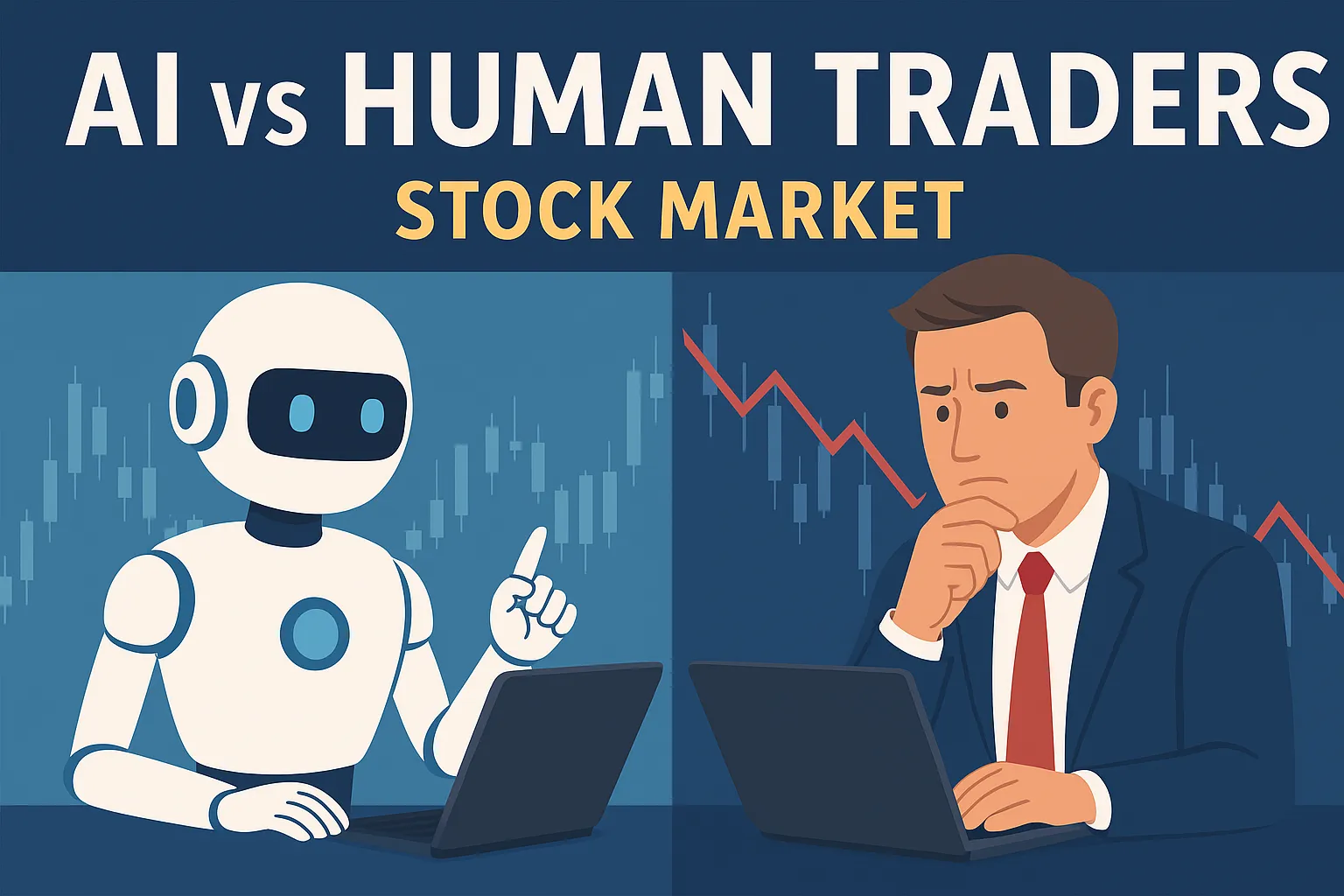
On one side, lightning-fast algorithms are scanning millions of data points — no sleep, no emotions, no hesitation.
On the other side, an experienced human trader sits with a cup of coffee — reading charts, sensing market mood, trusting his instincts… sometimes excited, sometimes nervous.
Both have only one mission: Beat the market.
But in this modern financial battlefield, who actually wins — the emotionless machine or the experienced human mind?
Let’s dive deep into this exciting topic with clear research, real examples, and simple explanations.
1. Speed & Data Power: AI’s Biggest Superweapon
AI trading systems — algorithms, machine-learning models, high-frequency trading bots — can process millions of data points per second.
What exactly does AI do?
- Analyzes news sentiment
- Evaluates charts instantly
- Processes massive datasets
- Detects micro-movements
- Executes trades without emotional delay
Example:
While you’re drawing a trendline and deciding your entry…
the AI bot has already taken that same trade 50 times and exited with profit.
Conclusion: In speed and data, AI is unbeatable.
2. Emotions vs No Emotions – The Real Gamechanger
The biggest enemy of human traders?
Fear and Greed.
The biggest advantage of AI?
Zero emotions.
Research Insight
Studies from MIT show most retail traders lose money due to:
- panic selling
- greedy over-buying
- overconfidence during winning streaks
AI never panics.
AI never gets greedy.
AI just follows rules.
Example:
When the market crashes,
a human thinks: “Everything is falling! Let me sell before I lose more!”
AI quietly analyzes:
“Probability still positive. Rebuy at the bottom.”
Result: AI remains more stable in emotional markets.
3. Experience & Intuition – The Human Advantage
AI can read data…
but humans can read situations.
Human intuition is built from years of watching markets, politics, psychology, and business cycles.
Example:
If an RBI Governor changes his tone in a speech,
an experienced trader may instantly sense the direction of next-day markets.
But AI might get confused because the text is negative but the tone is positive.
This is where intuition beats algorithms.
4. Crisis Moments – Who Wins Here?
Research shows:
In normal markets → AI performs better
In unpredictable markets → Humans perform better
Why?
AI relies on historical patterns.
But in situations where no pattern exists — war, sudden political shocks, pandemics —
AI models often fail.
Example:
During the 2020 COVID crash,
AI algorithms triggered mass automatic selling.
Experienced human traders started bottom-buying and made huge profits.
Human judgement > AI pattern reading during crisis.
5. Long-Term Investing – Humans Are Still Kings
AI is brilliant in short-term trades,
but long-term wealth creation still favors humans.
Why?
Because AI cannot deeply evaluate:
- business leadership
- product vision
- innovation potential
- long-term market psychology
Example:
AI could never predict how Apple would dominate the world after Steve Jobs returned.
But investors with vision believed in him.
Human foresight is still unmatched.
6. Risk Management – Different Strengths for Both
AI:
- fixed rules
- no emotions
- automatic stop-loss
Human:
- flexible decision-making
- adapts to unpredictable events
- deeper understanding of context
The best approach today is not AI alone…
but Human + AI combined.
Final Verdict: Who Wins the Market Battle?
✔ Short-term trading → AI wins
✔ Emotion control → AI wins
✔ Crisis decision-making → Humans win
✔ Long-term investing → Humans win
✔ Best overall strategy → Human + AI partnership
The modern market isn’t a war between man and machine —
it’s a place where the fastest brain (AI) and the smartest brain (Humans) work together to win.