NVIDIA released its latest quarterly financial results on August 26, 2026, reporting results for the second quarter of fiscal 2027 (Q2 FY2027), which ended on July 26, 2026.
The results once again demonstrated the extraordinary strength of the global AI infrastructure market. NVIDIA generated $96.22 billion in quarterly revenue, up 106% year over year. Even more impressive, its Data Center business generated approximately $89 billion, representing 117% year-over-year growth.
The company is now operating at a scale where quarterly revenue is approaching the $100 billion level, while profitability continues to grow at an exceptional rate.
NVIDIA Q2 FY2027 Results: Summary
| Financial Metric | Q2 FY2027 | Q1 FY2027 | Q2 FY2026 | YoY Growth |
| Revenue | $96.22B | $81.62B | $46.74B | +106% |
| Gross Profit | $72.14B | — | $33.85B | — |
| Gross Margin | 75.0% | 74.9% | 72.4% | +2.6 pts |
| Operating Income | $63.73B | $53.54B | $28.44B | +124% |
| Net Income | $59.69B | $58.32B | $26.42B | +126% |
| GAAP EPS | $2.46 | $2.39 | $1.08 | +128% |
| Non-GAAP EPS | $2.22 | $1.87 | $1.01 | +120% |
| Data Center Revenue | $89.0B | ~$75B | $41.1B | +117% |
| Q3 FY2027 Revenue Guidance | $108B ±2% | — | — | — |
Source: NVIDIA’s official Q2 FY2027 financial results.
Revenue More Than Doubled
The biggest headline from NVIDIA’s latest result is its revenue growth.
NVIDIA generated $96.22 billion in revenue during Q2 FY2027, compared with $46.74 billion in the same quarter last year.
That represents a remarkable 106% year-over-year increase.
Revenue also increased approximately 18% sequentially from the previous quarter.
This growth is particularly significant because NVIDIA is no longer growing from a small revenue base. The company is now approaching $100 billion in quarterly revenue, making more than 100% annual growth increasingly difficult to achieve.
Yet NVIDIA has managed to maintain that growth because demand for AI computing infrastructure remains extremely strong.
Data Center Remains the Main Growth Engine
The most important part of NVIDIA’s business today is its Data Center segment.
During Q2 FY2027, Data Center revenue reached approximately $89 billion, up 117% from $41.1 billion a year earlier.
This means Data Center accounted for roughly 92% of NVIDIA’s total quarterly revenue.
The segment includes NVIDIA’s AI accelerators, networking products, CPUs, software and complete computing systems used to build large-scale AI infrastructure.
Major technology companies and cloud providers are investing billions of dollars in AI data centers. They need enormous computing capacity to train and run increasingly sophisticated AI models.
NVIDIA is currently one of the biggest beneficiaries of this spending cycle.
AI Infrastructure Spending Remains Extremely Strong
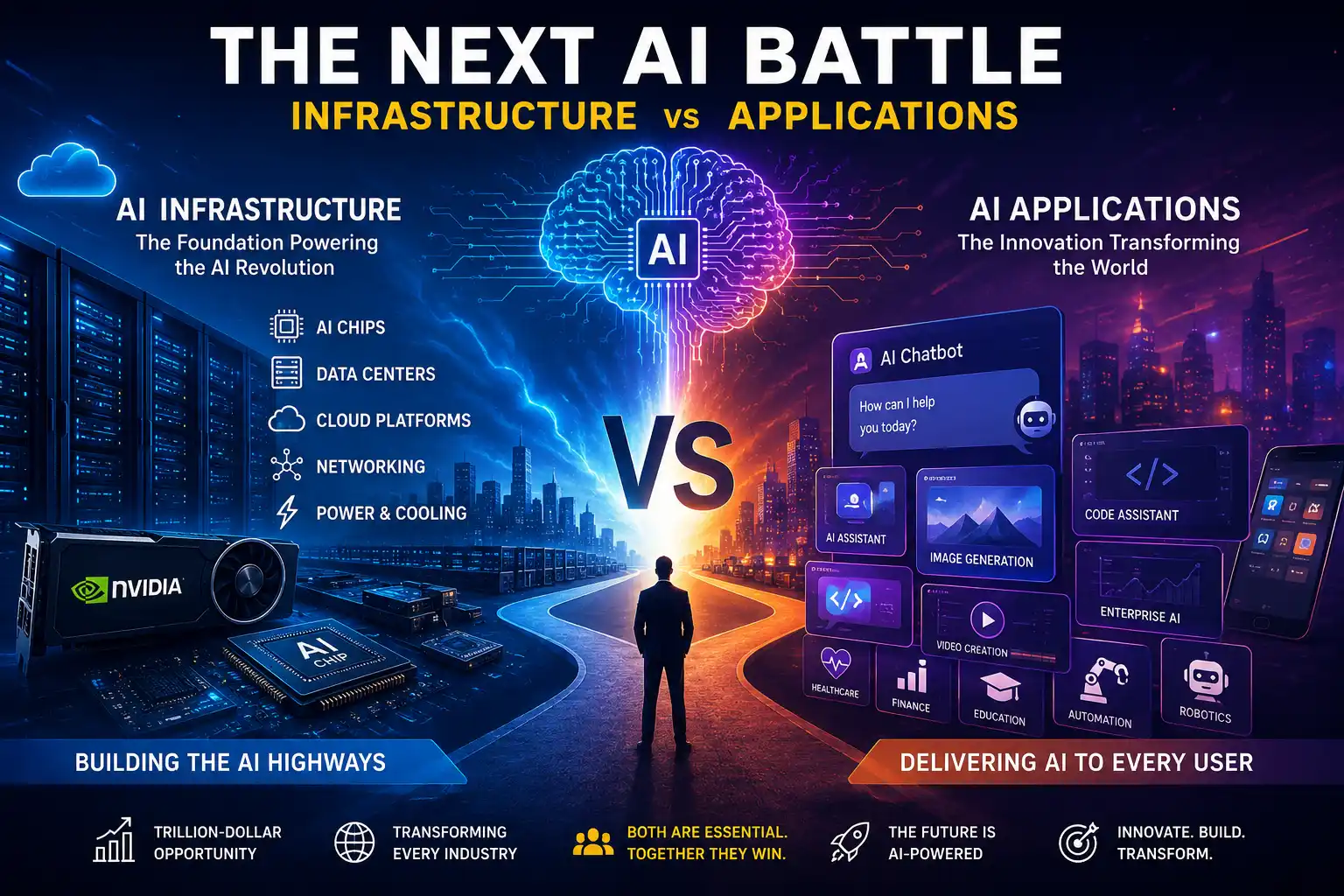
One of the biggest conclusions from NVIDIA’s results is that global spending on AI infrastructure has not slowed significantly.
Initially, AI infrastructure investment was concentrated among a relatively small number of major technology companies and AI laboratories.
The market has now expanded.
Cloud providers, AI startups, enterprises, research organizations and developers are all increasing their computing requirements.
This creates multiple sources of demand for NVIDIA’s GPUs and AI platforms.
NVIDIA CEO Jensen Huang has also emphasized the growth of AI inference, AI agents and physical AI, suggesting that the next phase of AI demand could extend well beyond traditional model training.
Profit Growth Was Even Faster Than Revenue Growth
NVIDIA’s profitability was another major highlight of the quarter.
The company reported:
- Operating income: $63.73 billion
- Net income: $59.69 billion
- GAAP EPS: $2.46
- Non-GAAP EPS: $2.22
Net income increased 126% year over year, from $26.42 billion to $59.69 billion.
That means NVIDIA is not simply generating more sales; it is converting a significant portion of those sales into profits.
Non-GAAP earnings per share increased approximately 120%, from $1.01 to $2.22.
This combination of strong revenue growth and strong profitability is one of the key reasons NVIDIA has become such an important company in the global technology sector.
Why NVIDIA’s 75% Gross Margin Matters
NVIDIA reported a 75% gross margin for Q2 FY2027.
Gross margin is important because it shows how much money remains after the direct cost of producing the company’s products.
In simple terms, a 75% gross margin means that for every $100 of revenue, approximately $75 remains as gross profit before operating expenses such as research and development, sales and administration.
NVIDIA’s gross margin was 72.4% in Q2 FY2026, meaning the company has improved its margin over the past year.
However, NVIDIA expects Q3 gross margin to be around 74%, suggesting that some pressure could emerge from higher component and memory costs.
Q3 Revenue Guidance Is a Major Signal
NVIDIA expects Q3 FY2027 revenue to reach approximately $108 billion, plus or minus 2%.
This guidance is extremely important for investors.
It suggests that NVIDIA expects its rapid growth to continue even after reaching an enormous revenue base.
An additional point is particularly interesting: NVIDIA’s Q3 guidance does not assume Data Center compute revenue from China.
This means that the company’s current outlook is based primarily on demand from other markets.
If NVIDIA eventually receives greater access to the Chinese AI market, that could potentially create an additional opportunity, although regulatory conditions remain uncertain.
Vera Rubin Could Start the Next Growth Cycle
Another important development is NVIDIA’s next-generation Vera Rubin platform.
NVIDIA has said that Vera Rubin is now ramping into full production.
Vera Rubin represents the company’s next major generation of AI computing technology and could become an important growth driver as customers upgrade their AI infrastructure.
NVIDIA has highlighted deployments and partnerships involving companies such as CoreWeave, Google Cloud, Microsoft Azure, Oracle Cloud Infrastructure and Nebius.
This is important because it shows that NVIDIA’s growth story is not dependent only on its current-generation products.
If Vera Rubin adoption accelerates, NVIDIA could potentially enter another major AI infrastructure upgrade cycle.
NVIDIA Is Expanding Beyond Traditional Data Centers
Although Data Center dominates NVIDIA’s financial results, the company’s long-term strategy is much broader.
NVIDIA is investing heavily in:
- Autonomous vehicles
- Robotics
- Edge AI
- AI PCs
- Physical AI
- AI networking
- Industrial AI
The company’s Edge Computing business generated approximately $7.2 billion, representing 27% year-over-year growth.
This suggests that AI computing is gradually moving from centralized data centers into vehicles, factories, robots, computers and other physical environments.
Autonomous Vehicles and Robotics Could Become Major Opportunities
NVIDIA is also positioning itself as an important computing platform for autonomous vehicles.
Its DRIVE Hyperion platform and newer autonomous-driving technologies are designed to provide the computing and software infrastructure required for next-generation vehicles.
The company has also introduced Alpamayo 2 Super, targeting autonomous vehicle development.
In robotics, NVIDIA is developing platforms such as Isaac and its broader physical AI ecosystem.
The opportunity is significant because autonomous vehicles and advanced robots require substantial computing power to process cameras, sensors, maps and AI models in real time.
If autonomous driving and robotics become mainstream at scale, this could create a new source of demand for NVIDIA beyond traditional AI data centers.
NVIDIA Is Returning Capital to Shareholders
NVIDIA’s strong cash generation is also allowing it to return significant capital to shareholders.
During the quarter, the company returned approximately $26 billion through share repurchases and cash dividends.
NVIDIA still had approximately $99 billion remaining under its share repurchase authorization at the end of the quarter.
The company also declared a quarterly cash dividend of $0.25 per share.
Although NVIDIA’s dividend yield is not the primary reason investors own the stock, its enormous cash generation gives the company considerable financial flexibility.
Key Risks Investors Should Watch
Despite the exceptionally strong results, NVIDIA is not without risks.
China and Export Restrictions
US export restrictions can limit NVIDIA’s ability to sell its most advanced AI computing products to China.
This is particularly important because China represents a significant potential market.
Increasing Competition
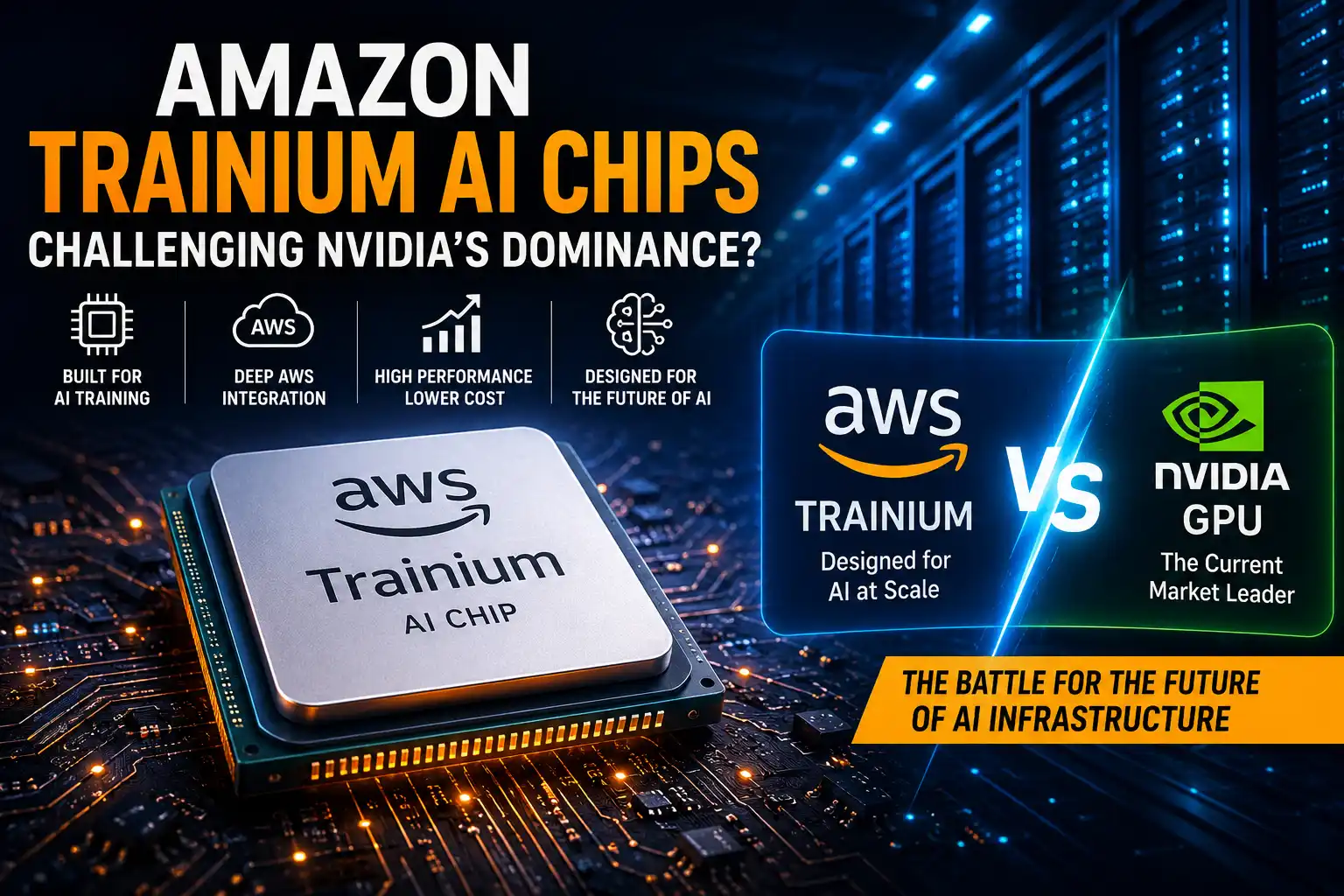
Companies such as Google, Amazon and Microsoft are developing their own AI accelerators.
Over time, custom chips could reduce some customers’ dependence on NVIDIA GPUs.
Margin Pressure
NVIDIA expects Q3 gross margin to decline slightly from 75% to approximately 74%.
Higher memory and component costs could put additional pressure on margins.
AI Spending Sustainability
The current AI infrastructure boom requires enormous capital expenditure from technology companies.
The biggest long-term question is whether the revenue generated by AI applications will justify this level of investment.
If AI spending eventually slows, NVIDIA’s growth rate could also moderate.
Supply Chain
NVIDIA relies on a complex global manufacturing and packaging ecosystem.
Any disruption involving advanced packaging, memory or semiconductor manufacturing could affect production and delivery schedules.
Outcome
NVIDIA’s Q2 FY2027 results were exceptionally strong, confirming that the global AI infrastructure boom remains one of the most powerful growth drivers in the technology industry.
The key numbers tell the story:
- Revenue reached $96.22 billion, up 106% YoY
- Data Center revenue reached approximately $89 billion, up 117%
- Net income increased 126% to $59.69 billion
- GAAP EPS increased 128% to $2.46
- Gross margin remained extremely strong at 75%
- Q3 revenue guidance stands at $108 billion ±2%
- Vera Rubin is entering full production
- Autonomous driving, robotics and physical AI are creating additional long-term opportunities
The most important takeaway is that NVIDIA is no longer simply a GPU company. It is increasingly becoming a full-stack AI infrastructure and accelerated-computing platform.
For investors, the next major things to watch will be Vera Rubin adoption, Data Center growth, gross margins, AI capital spending, China restrictions and competition from custom AI chips.
If NVIDIA can maintain strong demand while successfully transitioning customers to its next-generation platforms, the company could remain one of the central beneficiaries of the global AI investment cycle.